What If Cooper Flagg Hadn’t Reclassified? Rethinking the NBA Draft Landscape
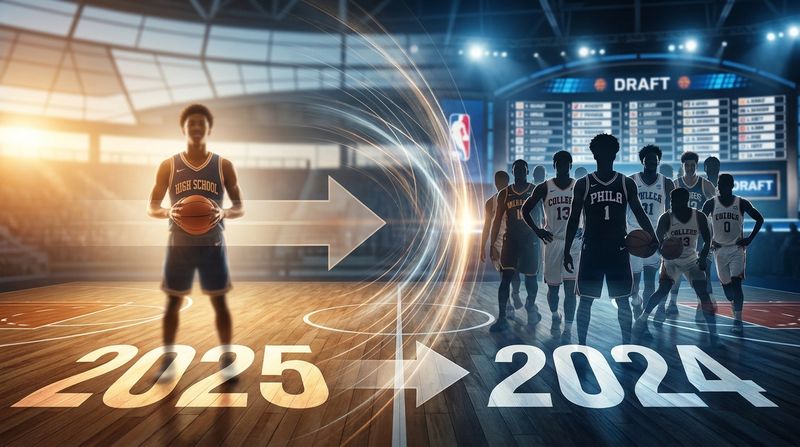
The NBA draft is shaped not just by talent, but by the timing of when that talent enters the league. Cooper Flagg, hailed as one of the most promising prospects in recent memory, made a seismic impact on the 2025 draft class by reclassifying and accelerating his path to the pros. But what if Flagg had stayed the course and entered the 2026 draft instead? ESPN’s recent analysis explores this hypothetical, offering a fascinating look at how the hierarchy of elite prospects would shift and what it reveals about the talent pool poised to enter the NBA in the years ahead.
Flagg, whose decision to reclassify from the 2025 to the 2024 recruiting class set off a chain reaction, became the centerpiece of the 2025 NBA draft. In this alternate scenario, he remains in the 2026 class—a move that would dramatically reshape the draft boards and the fate of franchises looking for a generational cornerstone.
- Cooper Flagg is widely regarded as the consensus No. 1 pick, regardless of class, due to his elite two-way ability, size, and advanced basketball IQ.
- Dylan Harper, another standout from the high school ranks, emerges as a top contender for the No. 2 spot. His versatility as a ball handler and scorer makes him a coveted asset for teams in need of backcourt dynamism.
- Kon Knueppel, praised for his shooting and offensive creativity, rounds out the top tier of prospects, with evaluators noting his potential fit in a modern NBA offense.
ESPN’s rankings emphasize how Flagg’s presence in the 2026 draft would alter the pecking order. With Flagg at the top, Harper and Knueppel would find themselves competing for the next-best slot, pushing other rising stars further down the board. This ripple effect would not only influence team strategies but also impact the long-term development of these prospects as they navigate different team environments and expectations.
The article also highlights the growing importance of reclassification as a strategic move among elite prospects. Players and their families increasingly weigh the benefits of accelerating their timelines—potentially reaching the NBA earlier and securing lucrative contracts—against the risks of entering a draft class stacked with comparable talent. Flagg’s decision to reclassify was seen as a calculated bet on his readiness and ability to stand out, and in this hypothetical, the landscape looks fundamentally different if he had waited.
For scouts and front offices, the prospect rankings underscore the need for long-term planning and adaptability. Teams eyeing lottery picks in 2026 would have to recalibrate their scouting priorities, weighing the unique skill sets that Harper and Knueppel bring compared to the singular impact of a player like Flagg. The analysis also suggests that the depth of talent in consecutive draft classes is as much a function of timing as it is of raw ability.
As the NBA continues to evolve, the choices made by top prospects about when to declare for the draft will remain a pivotal factor in shaping not only their careers but the fortunes of teams across the league. The scenario explored by ESPN offers a compelling what-if, reminding fans and executives alike that in basketball—as in life—timing can be everything.
Sources
- [1]ESPN NBA