Whatcom Rangers mark 40 years with one of their best teams
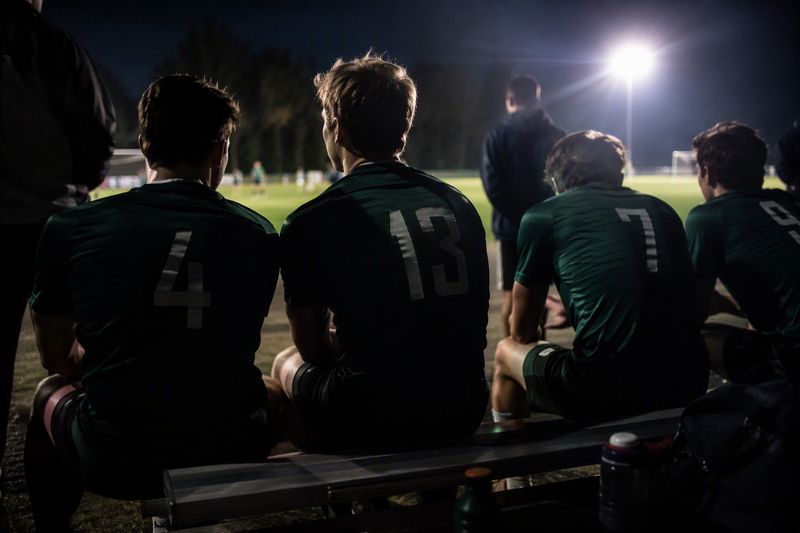
Whatcom Rangers’ 40th year arrives with a rare double meaning: the club is celebrating four decades, and the current team is being described as one of the best in club history. In a sport where seasons can evaporate into roster churn, that pairing makes the anniversary a performance story, not just a sentimental one. It shows what happens when a local program keeps building long enough to matter on the field.
A club built for the long haul
WFDF traces modern ultimate to 1968, when Joel Silver introduced the idea to the Columbia High School student council in Maplewood, New Jersey. The first game followed in 1969 and used a Wham-O Master disc, a reminder that the sport’s modern history still fits inside a living memory. Inside the USA Ultimate club structure, that youth matters: the game has grown into a travel-heavy, strategy-rich competition, but its roots are still close enough to the surface that a 40-year club stands out as a serious institution.
Against that backdrop, Whatcom FC Rangers’ own self-description lands with purpose. Under president Amy Alexander, the club calls itself “more than a club” and “a culture built on purpose, passion, and chasing greatness.” The organization also says that for over 40 years it has helped players grow from the local fields of Whatcom County to the highest levels of the game. That is the kind of language that fits a program trying to sell more than results, because its real product is continuity.
The Lynden Tribune says Whatcom FC Rangers was founded in 1986 by local families and originally consisted of just a handful of boys teams. That origin matters because it shows the club did not arrive as a finished power, but as a small local project that had to earn every layer of growth. Four decades later, the scale is different, yet the underlying idea is the same: build a place where players want to stay.
Rangers Day made the history visible
The anniversary was marked at Rangers Day, which brought together multiple generations of players, coaches and families. The Lynden Tribune says the event is typically held at Phillips 66 Soccer Park in Bellingham, turning a routine field site into a reunion ground for the people who kept the program alive. That setting matters because community sport is often sustained in public by the same familiar spaces, the same sideline routines, and the same people who return every season.
That kind of gathering does more than celebrate the past. It makes the club’s pipeline visible, showing younger players the coaches, parents and alumni who kept the standard intact long before the current roster was built. In ultimate, where clubs can be fragile and seasons can feel temporary, those shared habits are part of the competitive infrastructure. The best teams usually come from places where the social side is strong enough to survive roster turnover.
Why this roster stands out
The current Rangers squad is being described as one of the best teams in club history, and that is the clearest sign that the anniversary is more than nostalgia. In the modern club game, which is more organized, travel-heavy and strategy-rich than the early versions of the sport, a strong roster usually reflects years of patient work behind the scenes. A team that can wear a 40-year history and still look like a peak version of itself suggests the program has managed the hardest part of ultimate: replacing turnover with continuity.
That continuity depends on more than talent. It needs dependable volunteers, coaches who stay connected to the program, and returning players who keep the identity intact even as the lineup changes. It also needs a culture that makes younger athletes want to enter the same system rather than treat each season as a one-off. The Rangers’ best-team label makes that invisible work easier to see, because the on-field product is strong enough to reflect the off-field investment.
The Bellingham pipeline
DiscNW’s Bellingham Ultimate programming helps explain how the area keeps feeding that kind of continuity. The local scene includes an adult spring league, which runs as a mixed hat league, and youth programs that give new players a way into the sport. Those two ends of the system matter because they keep the player pool from stalling out, with younger athletes learning the game and adults staying involved long enough to become organizers, coaches or long-term teammates.
That broader ecosystem is what turns a club anniversary into a social marker instead of a ceremonial one. Whatcom County is not producing elite ultimate by accident; it is supporting a chain of participation that stretches from school-age programs to adult play and then back into club competition. The Rangers sit at the center of that chain, not just as a team with history, but as proof that a local sports culture can keep renewing itself.
The Rangers’ 40-year marker lands best as a measure of durable investment. A program that started with a handful of local families and now fields one of its best teams has turned longevity into a competitive advantage, which is the real sign of a lasting ultimate institution.