Who Owns College Sports? The Case for Congressional Protection of an American Institution
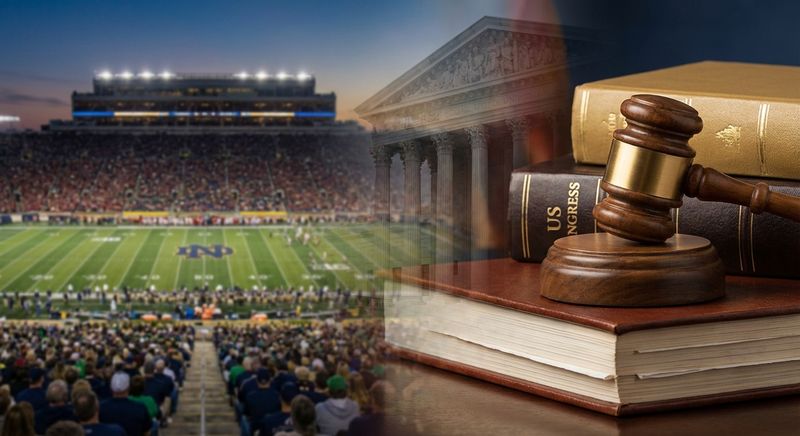
College sports occupy a singular place in American culture, fueling school pride, regional rivalries, and billion-dollar industries. But a fundamental question is gaining urgency: Who truly owns college sports—and what role should Congress play in its future?
As legal battles over athlete compensation, conference realignment, and the role of the NCAA escalate, there are increasing calls for federal intervention to preserve the integrity and accessibility of college athletics. The argument, as presented in a recent USA Today opinion piece, is clear: college sports belong not just to universities or governing bodies, but to the American people themselves.
- College athletics generate billions in annual revenue for schools and media partners
- Recent legal changes, such as Name, Image, and Likeness (NIL) rights, have transformed the landscape for student-athletes
- Conference realignment threatens traditional rivalries and regional identities
This sweeping transformation has sparked debate about whether the current patchwork of state laws and NCAA rules can meet the moment. Some advocate for a national framework to ensure fairness and consistency, while others warn that increased federal oversight could undermine the autonomy of individual schools and conferences.
The USA Today opinion piece frames the matter as a national trust, arguing that college sports are a public good that transcend private interests. The article calls on Congress to take a more active role in protecting the "uniquely American" tradition of collegiate athletics, especially as commercial pressures mount and athletes demand a fairer share of the profits.
The stakes are high: college sports provide opportunities for tens of thousands of student-athletes, unite communities, and contribute to the broader educational mission of universities. At the same time, the influx of money and shifting legal landscape threaten to erode what many see as the distinctive character of college athletics.
Proponents of congressional action argue that only a consistent, national approach can balance these competing interests—safeguarding the values that make college sports a cherished American institution, while adapting to the demands of the modern era.
As lawmakers, university leaders, and athletes continue to debate the future of college sports, the question of ownership—and the responsibility to protect it—remains front and center.
Sources
- [1]USA Today