Who Owns Your Favorite NFL Team? A Guide to the League’s Power Players
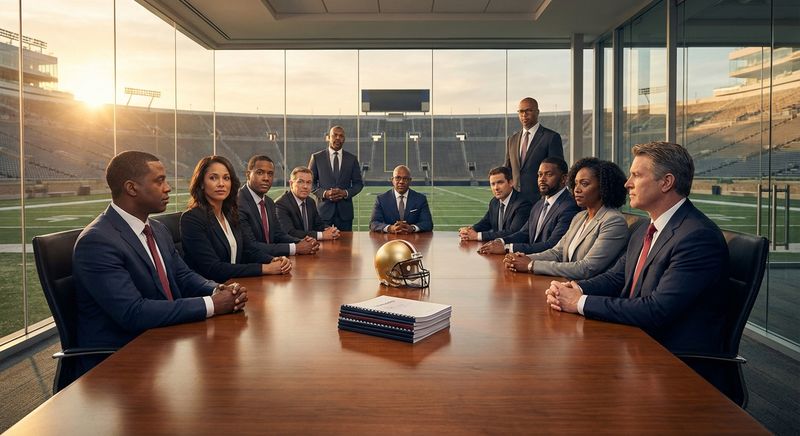
The NFL is more than just a showcase of elite athleticism—it's a league shaped by a diverse group of owners who each put their unique stamp on their franchises. Whether through family legacy, business acumen, or public persona, these owners help steer the direction of both their teams and the league as a whole. Here’s a closer look at who holds power in each NFL front office and what that means for fans and the game itself.
- Dallas Cowboys: Jerry Jones has owned the Cowboys since 1989 and is one of the league’s most visible and influential figures. Jones has played a major role in shaping league policies and marketing strategies.
- New England Patriots: Robert Kraft purchased the team in 1994. Under Kraft’s ownership, the Patriots have become one of the NFL’s most successful franchises.
- Green Bay Packers: The Packers are unique as they are a publicly owned nonprofit corporation, with over 500,000 stockholders—making them the only community-owned team in American pro sports.
- Pittsburgh Steelers: The Rooney family has been at the helm since the team’s founding in 1933, maintaining a tradition-rich legacy and steady hand.
- Los Angeles Rams: Stan Kroenke took control of the team in 2010, overseeing their move back to Los Angeles and the construction of state-of-the-art SoFi Stadium.
- Chicago Bears: The McCaskey family, descendants of founder George Halas, have controlled the franchise for decades, emphasizing stability and tradition.
- San Francisco 49ers: Owned by Denise DeBartolo York and the York family, the 49ers continue a legacy that began with Eddie DeBartolo Jr.'s leadership in the 1980s.
- Kansas City Chiefs: The Hunt family, led by CEO Clark Hunt, have been stewards of the franchise since its founding and have overseen their recent return to championship contention.
- Baltimore Ravens: Steve Bisciotti has owned the team since 2004, guiding the franchise to consistent competitiveness.
- Buffalo Bills: Terry and Kim Pegula purchased the team in 2014, investing heavily in both the roster and the community.
Across the league, ownership structures reflect a blend of tradition and modern business. Family dynasties like the Rooney, McCaskey, and Hunt families are contrasted by high-profile individual owners such as Jerry Jones and Robert Kraft. The Green Bay Packers’ community ownership offers a singular model in North American sports.
These owners play crucial roles beyond the football field:
- They hire and fire front office and coaching staff
- Approve major league-wide changes (e.g., rule changes, revenue sharing)
- Oversee stadium development and team facilities
- Shape team culture and philanthropic outreach
Public perceptions of owners vary. Some, like Jerry Jones, are deeply involved in league politics and media. Others, such as the McCaskeys or Rooneys, prefer a more understated approach, letting football operations take center stage. What’s clear is that the direction of a franchise often mirrors the philosophy and resources of its owner.
Franchise values have soared under current ownership, with Forbes estimating multiple teams are worth over $5 billion. This financial strength has allowed for expanding stadiums, boosting player salaries, and enhancing the fan experience both in-person and through digital platforms.
For a complete list of all current NFL owners, fans can visit the ESPN NFL team owners guide.
Sources
- [1]ESPN NFL