Why Arsenal and Liverpool’s Calculated Strategies Are Leaving Fans Uninspired
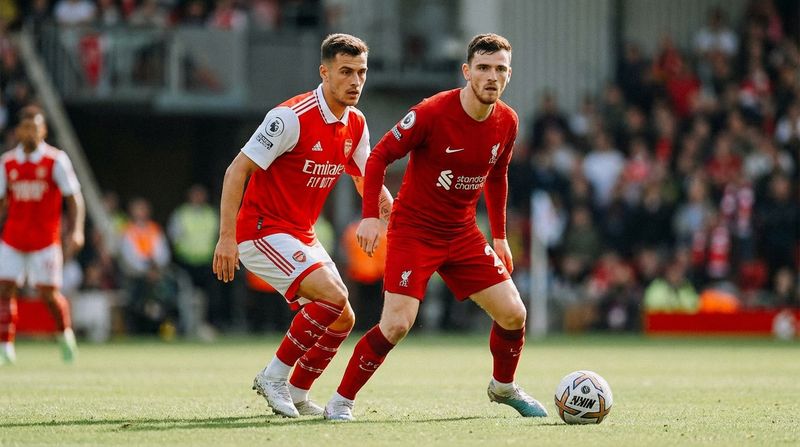
Arsenal and Liverpool have long been two of the Premier League’s most watchable teams, celebrated for their attacking flair and dramatic matches. Yet, in the 2025/26 season, both clubs have shifted towards more calculated, risk-averse strategies—an evolution that may be helping their title ambitions, but, as many fans and pundits observe, is draining excitement from the league.
The Strategic Shift: Cautious Calculations Over Cavalier Football
As the season has progressed, both Arsenal and Liverpool have placed greater emphasis on defensive solidity, ball retention, and tactical discipline. Rather than the high-pressing, high-risk, high-reward styles that once defined their identity, these teams now prioritize control—slowing the game down, minimizing mistakes, and suffocating opponents’ opportunities.
- Arsenal have focused on patient build-up play, often recycling possession and waiting for the perfect opening rather than forcing quick attacks.
- Liverpool, known for their "heavy metal" football under Jürgen Klopp, have dialed back their pressing intensity and opted for a more measured approach.
The Independent reports that this tactical conservatism has produced consistently strong results in the standings, but at the cost of spectacle. Fewer goals, fewer end-to-end sequences, and a greater sense of predictability have led some supporters to call this one of the Premier League’s most "boring" seasons in recent memory.
The Statistical Story: Results Without the Fireworks
While both teams remain near the top of the league table, the numbers back up the claims of a less thrilling product:
- Across the first half of the 2025/26 season, Arsenal and Liverpool matches have averaged significantly fewer goals compared to previous years.
- Both clubs rank among the league’s lowest for shots conceded per game, highlighting their improved defensive records but also fewer open, high-risk moments.
- Possession percentages are up, but direct attacking moves and counter-attacks are down.
This shift has had ripple effects across the league, as other teams adapt their own strategies in response—further slowing the overall pace and reducing the unpredictability that many fans cherish.
Fan Frustration: Success Versus Entertainment
The Independent suggests that while managers may be pleased with stable results and title contention, supporters feel shortchanged. The Premier League’s global reputation was built on its chaos and drama, and the new emphasis on control threatens to erode that identity. Social media reactions, attendance figures, and TV viewership all hint at growing discontent.
The Larger Trend: Tactical Caution Across Europe?
This phenomenon is not limited to English football. Across Europe, teams at the top are increasingly risk-averse, favoring strategies that minimize the chance of costly mistakes. Advanced analytics, sports science, and financial pressures have all played a role.
- Tactical trends now favor managers who can organize, press in specific phases, and "manage" matches rather than overwhelm opponents.
- The result is competitive balance—but often, less end-to-end excitement.
Can the Balance Be Restored?
As the season enters its critical stages, the question remains: will Arsenal and Liverpool continue to prioritize pragmatic, low-risk football if it brings them within reach of the title? Or will the demands of restless supporters and the lure of Premier League drama prompt a return to more adventurous play?
For now, the evidence suggests that winning—no matter the method—remains the primary objective. But if the entertainment value continues to suffer, both clubs and the league as a whole may need to reconsider the cost of calculated caution versus the joy of the beautiful game.