Why padel rackets are unlike tennis rackets
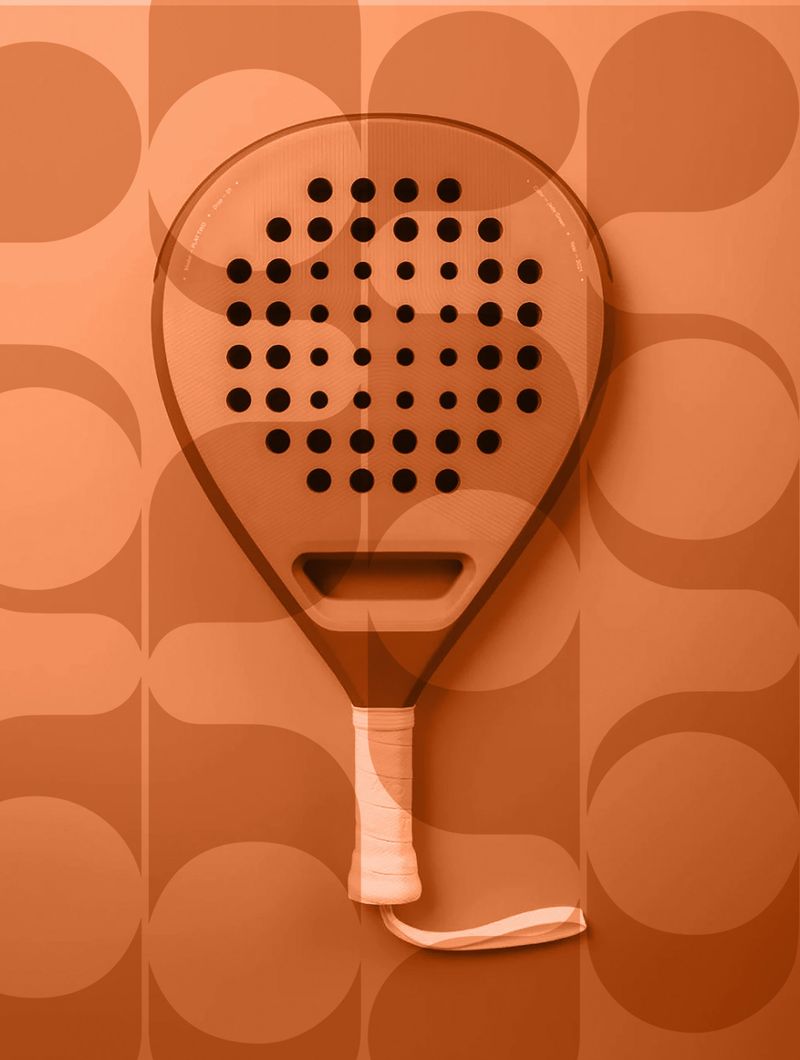
A padel racket can be no longer than 45.5 centimeters, with a perforated hitting surface with cylindrical holes in the 9 to 13 mm range in the center area and a non-elastic wrist cord fixed to the handle. The International Padel Federation builds those requirements into the rules themselves. Those details make the racket a sealed, regulated striking tool rather than a strung frame, and they explain why shape matters so much in padel.
The rules create the feel
The official design limits shape the way the racket loads power, absorbs mishits and moves through the air, which is why players talk about balance and sweet spot almost as much as they talk about shot selection. In padel, the frame is not a neutral container for string tension. It is the engine of the shot itself, kept inside a narrow size and construction window.
The sport traces back to 1969, when Enrique Corcuera built the first court in Acapulco, Mexico, and it did not gain a formal international federation until 12 July 1991, when the International Padel Federation was founded in Madrid by the Argentine, Spanish and Uruguayan padel associations. The first FIP World Padel Championships followed in Madrid and Seville in 1992.
Three shapes, three identities
Racket choice starts with three core shapes: round, teardrop and diamond. Each one shifts where the sweet spot sits and how forgiving the racket feels on off-center contact. That is the real decision point for players, because shape does not just influence power. It changes how reliably you can defend, transition and close points when pressure rises.
The round racket is the control-first option. Its sweet spot is larger and centered, which makes it the most forgiving shape and the easiest fit for beginners or anyone who values defensive stability. If your first instinct is to absorb pace, block volleys cleanly and keep the ball in play when rallies get messy, round is the safest geometry.
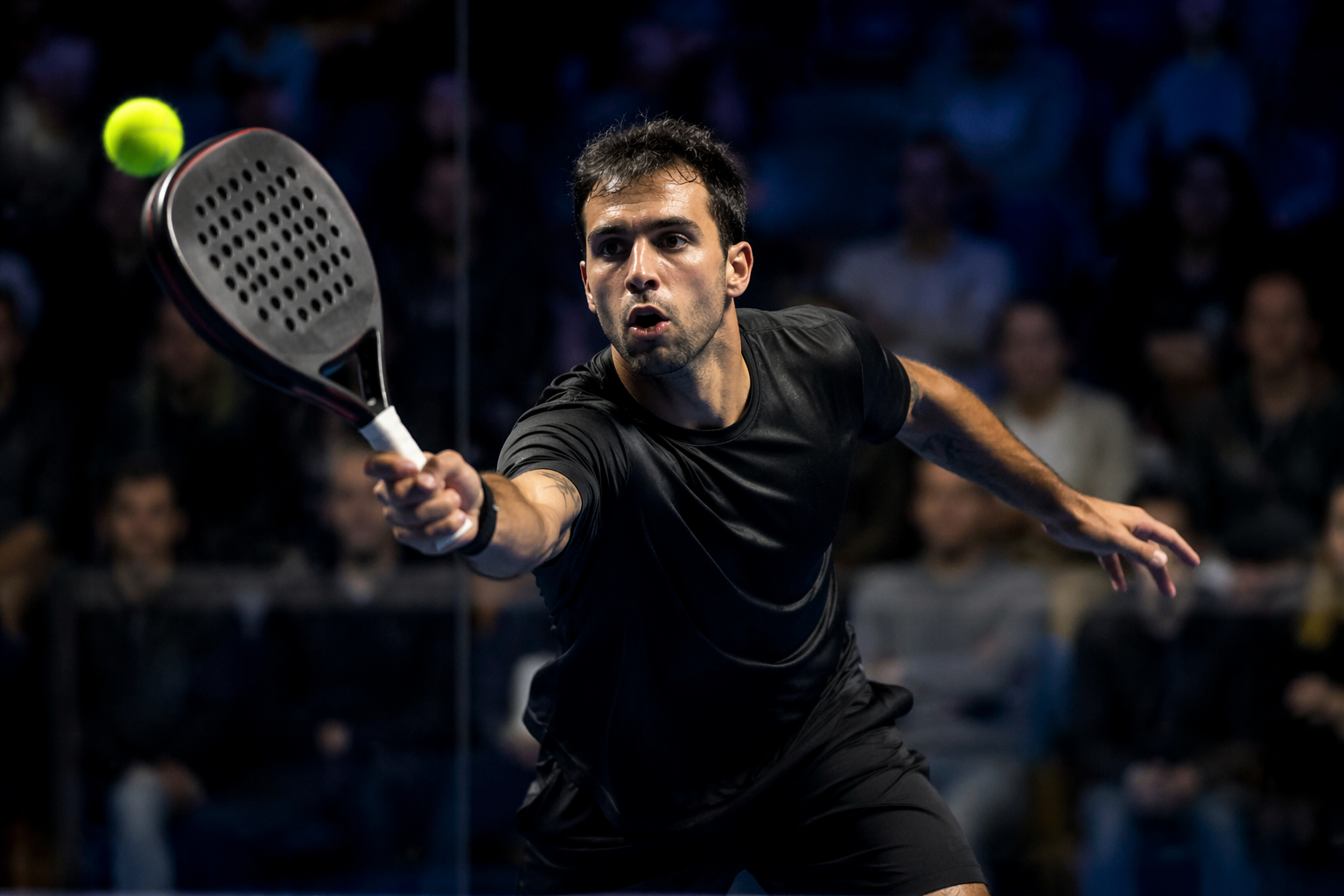
The teardrop shape sits in the middle. It blends power and control, so it suits players who want a more versatile response without going all-in on attack. In practical terms, it is the shape for all-round players who need to defend one game and finish more aggressively the next, especially when the match keeps forcing quick adjustments at the net.
The diamond racket is built for power. Its sweet spot is smaller and positioned higher on the face, which makes it a better tool for advanced players who can strike the ball cleanly under pressure. If you are looking to finish points, hit with more authority and take time away from opponents, diamond gives you the most explosive profile, but it asks more of your timing and technique.
Balance decides the swing
Shape is only half the story. Balance is a separate performance lever, and that detail matters because two rackets with similar shapes can still feel dramatically different. High balance pushes more mass toward the head and increases power. Medium balance creates a middle ground. Low balance favors comfort and maneuverability, which is useful when the pace is frantic and you need fast hands at the net.
That matters most in padel because points often turn on short reaction windows rather than long baseline exchanges. A low-balance racket helps you reset in defense and react quickly in transition. A high-balance model can turn a clean volley or overhead into a finishing shot.
The practical test for your game

If your priority is defense, the round racket is the clear starting point. Its centered sweet spot and forgiving response help you survive awkward contact and keep rallies alive, which is a major advantage when you are pinned deep or learning the sport’s timing. Low balance can make that defensive job even easier by improving maneuverability.
If your priority is transition play, the teardrop shape is usually the smartest fit. It gives enough power to turn a neutral ball into an attack, but it does not abandon control the way a pure power frame can. A medium balance setup fits this role especially well because it lets you switch from retrieval to pressure without feeling locked into one style.
If your priority is finishing points at the net, the diamond shape is the weapon of choice. It is the most attack-oriented geometry, and its higher sweet spot rewards confident contact on volleys, smashes and other decisive shots. High balance reinforces that profile by adding more punch, but the trade-off is clear: the racket becomes less forgiving, which is why HEAD places it squarely in the advanced-player lane.
35 million players, 100 federations
Padel now has more than 35 million active players, with year-on-year growth of 16.1% in clubs, 15.2% in courts and 42% in registered federation members, the International Padel Federation says. At its 35th General Assembly in Acapulco in November 2025, the federation reached 100 member national federations.
Sources
- [1]head.com
- [2]padelfip.com