Why Slow Players Make the Fastest Thinkers: The Unlikely Path to Top-Level Management
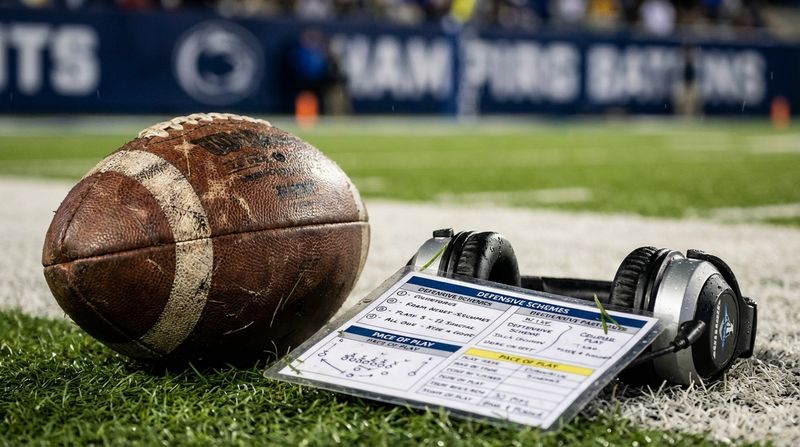
In the fast-paced world of professional sports, the pathway to top-level management often begins on the field. Yet, an intriguing trend has emerged: many of the most successful managers once had reputations as slow players. Far from being a liability, a lack of speed as a player may foster the skills and perspectives that later define elite leadership.
The Link Between Playing Style and Managerial Success
While it might seem counterintuitive, evidence suggests that being slower on the pitch or court can encourage a player to develop other skills essential for management. Without the luxury of outrunning opponents, these athletes are often forced to hone their tactical awareness, positioning, and anticipation. These mental attributes, more than raw athleticism, are vital for coaching and managing at the highest levels.
From the Field to the Sidelines: Building Tactical Minds
As The New York Times highlights, slower players typically adapt by seeing the game differently. They must read plays before they develop, rely on game intelligence, and communicate effectively to compensate for their physical limitations. Over time, these skills translate to an ability to analyze opponents, devise strategies, and manage a diverse group of personalities—core requirements for top managers.
- Slower players are often tasked with organizing teammates and maintaining structure, giving them early leadership experience.
- They tend to excel at understanding tactical nuances, which becomes crucial when coaching or managing professional teams.
- This perspective fosters empathy, as these individuals understand the challenges faced by less physically gifted players and can bring out the best in each team member.
Case Studies: Slow Players Turned Master Managers
Many prominent managers across sports were not known for their speed but for their intelligence and adaptability. Their playing careers often mirrored the approach they bring to management—methodical, analytical, and highly strategic. This pattern appears in both soccer and other team sports, where the transition from slow-footed player to successful manager is well documented.
Redefining What It Takes to Lead
This trend challenges traditional notions of athleticism and leadership. Rather than favoring former stars with blazing speed, clubs and organizations increasingly value candidates with a deeper understanding of the game. The ability to think several moves ahead, foster a cohesive team culture, and adjust strategies on the fly are emerging as the hallmarks of great management—qualities often developed by those who had to rely on their minds rather than their legs.
Looking Ahead: Implications for Player Development and Coaching
As more teams recognize the unique strengths brought by former slow players, the pathway to coaching and management may broaden. This could lead to more diverse leadership styles and a deeper appreciation for the mental side of sports. In a world obsessed with speed, the slowest players may just be the ones with the fastest minds.
For more on the intersection of playing style and sports leadership, follow the latest insights from The New York Times.