Why the Back Three Formation Is Revolutionizing Modern Soccer
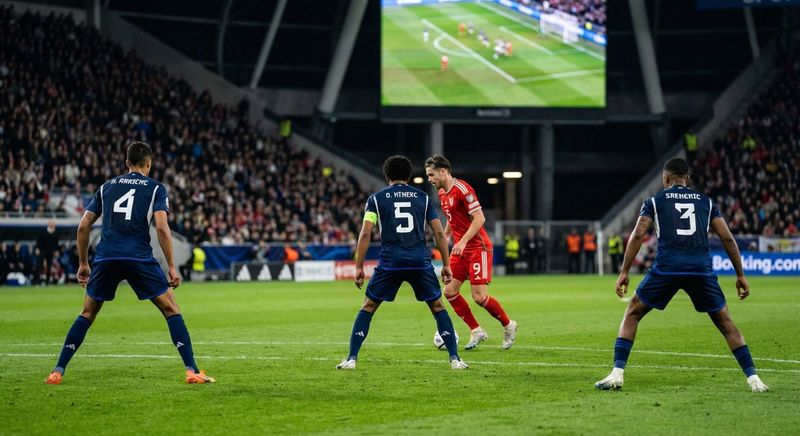
The back three formation in soccer is often misunderstood as a purely defensive tactic, but recent trends reveal it can be the engine of some of the game's most dynamic and attacking play. While fans and pundits sometimes equate three central defenders with a cautious approach, the modern back three is far more versatile—and may be just what your team needs.
In its classic form, the back three uses three center backs, typically flanked by wing-backs who are tasked with both defending and joining the attack. Rather than anchoring a deep line, these wing-backs often operate high up the pitch, providing width and stretching the opposition. This flexibility allows teams to control possession, press aggressively in midfield, and create overloads in wide areas.
- Offensive Potential: The system frees up midfielders and attackers to find space, as the wing-backs offer constant width. Teams like Chelsea and Atalanta have demonstrated how this formation can unleash relentless attacking waves.
- Defensive Solidity: With three central defenders, teams can absorb counterattacks and recover quickly even if wing-backs are caught high up the field. This is critical against opponents who rely on fast transitions.
- Adaptability: During matches, the shape can shift fluidly between a back five (when defending) and a back three (when on the ball), letting teams adapt to game flow without substituting players or drastically changing tactics.
Statistics from recent seasons in top European leagues show a marked increase in teams deploying a back three, particularly among clubs seeking to maximize both defensive resilience and attacking threat. For instance, in the Premier League and Serie A, several managers have turned to this setup to counteract pressing opponents and exploit spaces on the flanks.
While the back three requires disciplined wing-backs and center-backs comfortable on the ball, its growing popularity stems from its tactical balance. It provides solidity without sacrificing offensive ambition, and the ability to morph into different shapes makes it a favorite among innovative coaches. As the game evolves, so too does the perception of formations—and the back three is at the forefront of this tactical revolution.
Sources
- [1]ESPN Soccer