Why the classic WIFFLE set defines backyard baseball
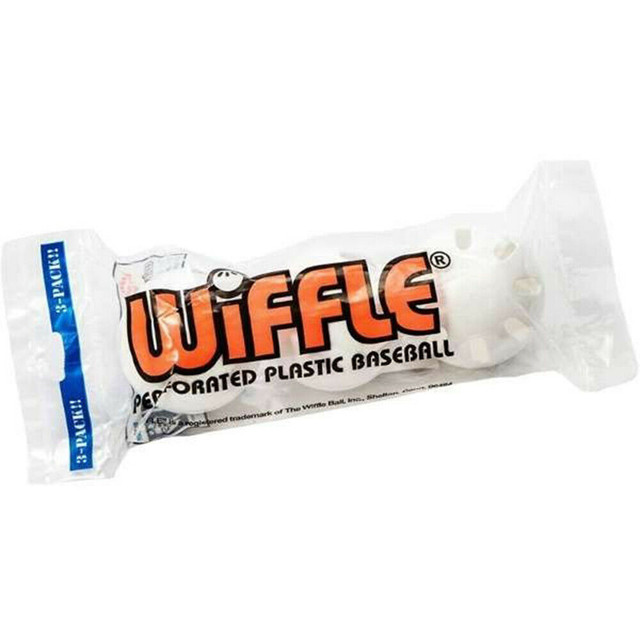
The first thing Wiffle Ball gives you is not a stadium or a scorebook. It gives you a 32-inch plastic bat and a regulation nine-inch ball, most often in the familiar yellow-and-white package that signals the game before the first pitch. That standard kit is the sport’s most important rulebook, because the shape, weight, and feel of the equipment determine how the game plays in tight spaces.
The classic set is the sport’s identity
Retail descriptions of the official WIFFLE set keep coming back to the same details: a 32-inch bat, a nine-inch baseball, durable plastic construction, and the made-in-the-USA label. The repeated emphasis on the same dimensions is not a marketing flourish, it is the clearest sign that Wiffle Ball has always been a gear-defined sport. Where baseball can bend around different fields, leagues, and local traditions, Wiffle Ball is recognized first by the look of the bat and the ball in your hands.
That consistency matters because the standard set is unusually easy to identify from a distance. The yellow bat and white ball have become part of the game’s visual shorthand, and that visual uniformity helps explain why Wiffle Ball has stayed instantly recognizable across generations of backyard games, neighborhood leagues, and casual pickup play. The equipment is simple enough to be portable, but specific enough to give the sport a fixed identity.
The ball is built for small spaces, not big ones

The ball’s design does most of the heavy lifting. Product descriptions describe it as hollow, lightweight, and made of resilient plastic, no more than 1/8 inch thick. One perforated half carries eight .75-inch oblong holes, and that construction is what gives the ball its peculiar behavior in the air. It was designed to replace baseball, stickball, and softball in backyards and city streets, which means it had to work where a full baseball game could not.
That is why the standard Wiffle ball does not travel like a baseball. It is light enough that it cannot be thrown or hit any great distance, and that limitation is not a flaw. It is the feature that makes the game work in driveways, cul-de-sacs, parks, and other spaces where a hard-hit baseball would disappear too quickly or become unsafe too easily. The ball’s small scale and unusual aerodynamics keep the game compact, readable, and playable almost anywhere.
Why the 32-inch bat became the default
The 32-inch bat fits the rest of that logic. It is long enough to give a hitter a real swing, but still light and manageable in the kind of limited spaces where Wiffle Ball lives. In practical terms, that length helps create the quick, repeatable contact that backyard baseball depends on, where the goal is less about brute force than about touch, timing, and placement.
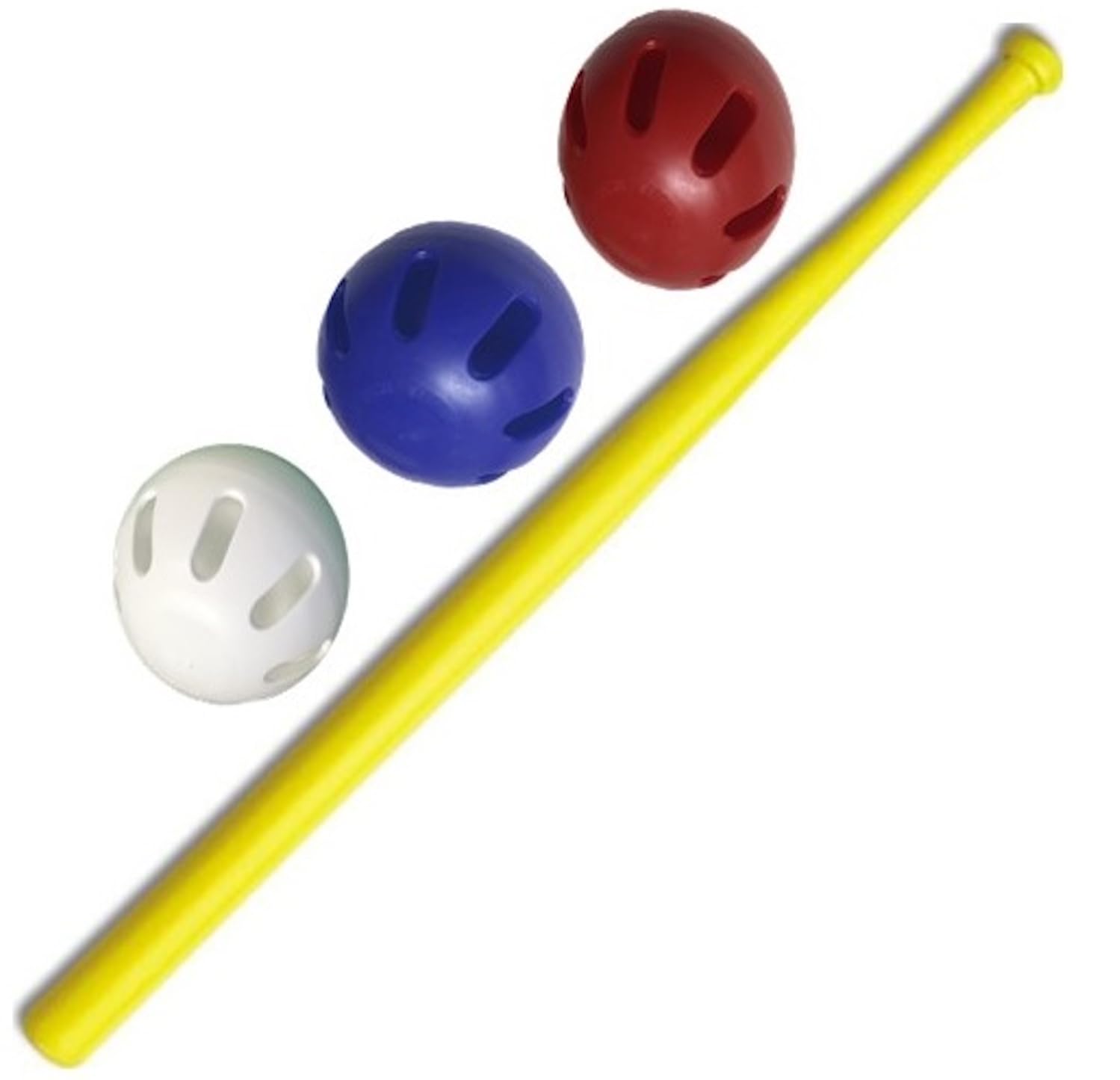
Because the bat is plastic and standardized, the feel of the game stays consistent from one set to the next. A player stepping into a familiar Wiffle setup knows what kind of motion the sport expects: compact swings, controlled contact, and the kind of follow-through that can turn a thin plastic ball into a sharp line drive or a looping pitch. The bat is not just equipment. It is part of the sport’s tempo.
What changes when the gear changes
Swap in a nonstandard bat or ball, and the game stops behaving like Wiffle Ball. A heavier bat changes the swing path and the level of control, while a different ball changes how the pitch moves, how far a hit carries, and how quickly a game outgrows a backyard. That is the key point hidden inside the standard kit: these dimensions are effectively the rules in physical form.
The standard ball’s hollow shell, thin plastic wall, and perforated half are what make its movement so distinct. Change those elements, and you change the flight. Even small alterations can affect whether a pitch dances late, floats early, or drives straighter than expected. In a game built around movement and space, nonstandard gear does not just tweak performance, it rewrites the sport’s core balance.
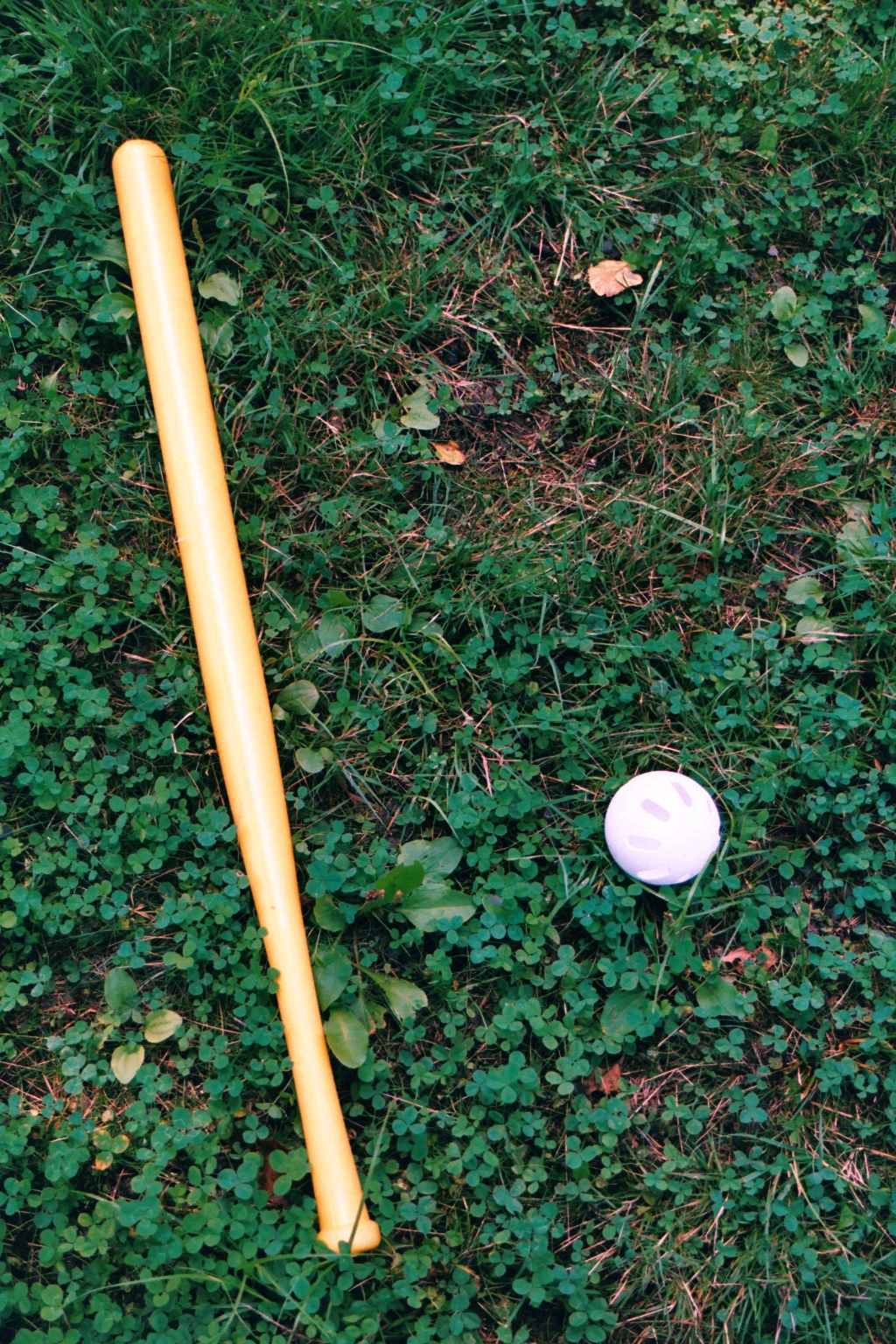
The same is true of the bat. A different length or weight shifts the feel of contact and the distance a player can generate in a confined area. That may sound minor, but in Wiffle Ball, where the field is often improvised and the ball is designed not to travel far, those details decide whether the game stays a backyard sport or turns into something else entirely.
Why the classic kit lasts
The enduring appeal of the standard set is that it makes the sport easy to start and easy to reset. A lightweight plastic bat and a compact perforated ball can be carried anywhere, set up quickly, and used repeatedly without a lot of equipment or space. That portability is part of why Wiffle Ball has remained accessible to families, neighborhood leagues, and casual players who want a game that can begin almost as soon as the bat comes out of the box.
Just as important, the kit keeps the game legible. Everyone can see what the ball is supposed to do, what the bat is supposed to feel like, and why the field does not need to be large to matter. The classic WIFFLE set does more than define backyard baseball. It turns the game’s limits into its identity, and that is why the standard gear still carries the sport from one generation of play to the next.