Why the USHL crowns two champions, Anderson Cup and Clark Cup
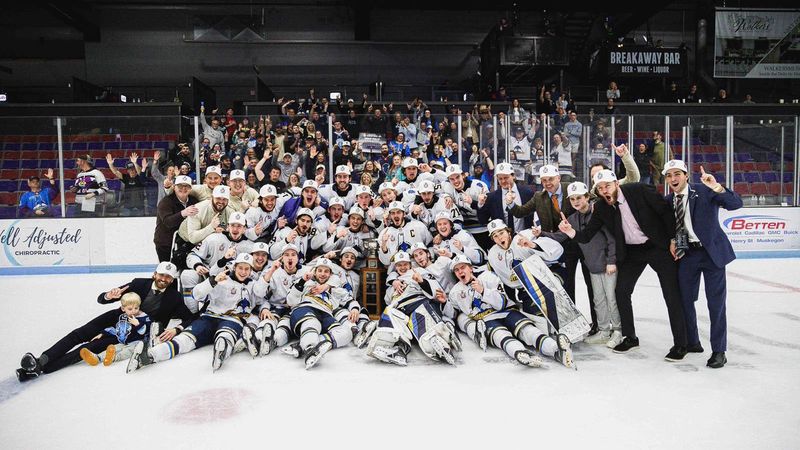
The USHL crowns two champions because the league tests teams in two very different ways. The Anderson Cup rewards the club that lasts the entire regular season with the best record, while the Clark Cup goes to the team that survives the postseason pressure cooker. One trophy honors consistency over 62 games, the other crowns the group that proves it again when every mistake can end the run.
The Anderson Cup measures the long haul
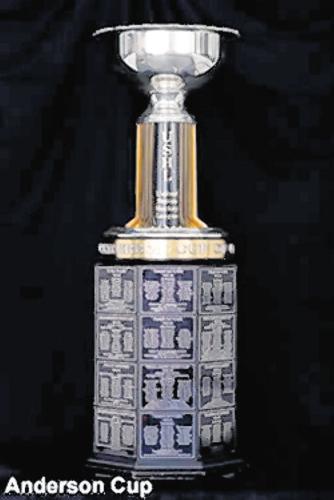
The Anderson Cup has been the USHL’s regular-season prize since 1973, and the trophy itself has a story that fits its purpose. It stands nearly five feet tall, and it cost more than $5,000 to build when it was created in 1973. The cup is named for Harold Anderson, a central figure in the formation of the Midwest Junior Hockey League, the league that came before the USHL.
That history matters because the Anderson Cup is not about surviving a short burst of hot hockey. It rewards the team that holds its level across the full schedule, traveling, developing, and winning enough nights to finish first when the standings settle. In a league where every point can swing positioning, the regular-season champion has to manage injuries, lineup churn, and the weekly grind without letting the standard slip.
Lincoln’s 2025 Anderson Cup title shows what that looks like in practice. The Stars earned the league’s top regular-season honor by being the most reliable team over the course of the year, which is exactly the kind of achievement the trophy was built to recognize. That is a different accomplishment from winning a playoff bracket, because the Anderson Cup asks whether a club can stay elite from opening night to the final whistle of the regular season.
The Clark Cup is a different test
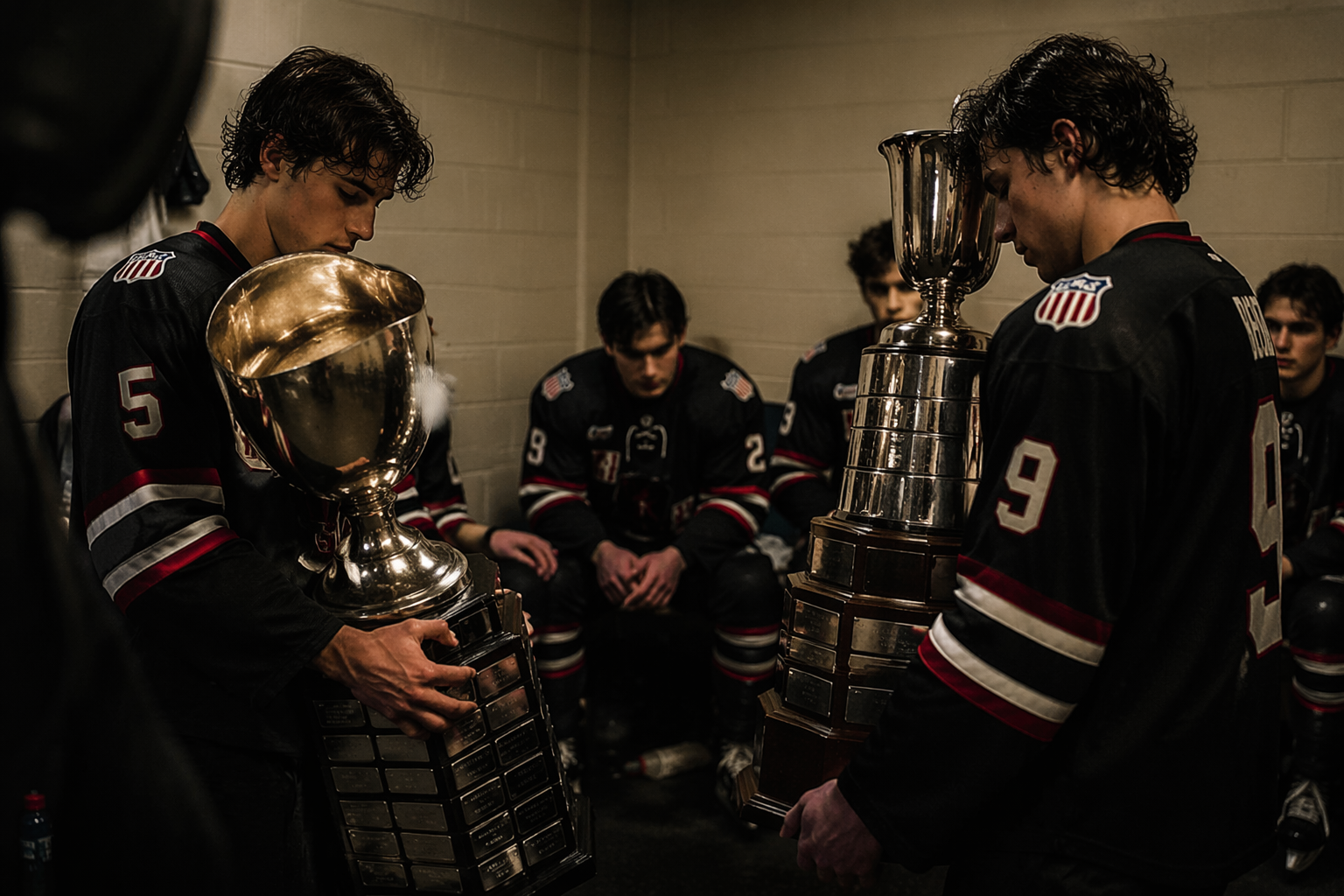
The Clark Cup is the USHL’s playoff championship, and it carries a different kind of weight. The league describes it as symbolic of supremacy in American junior hockey, and it is presented each year to the playoff champions. Where the Anderson Cup measures persistence, the Clark Cup measures survival, composure, and the ability to win series hockey when the pace tightens and every matchup is dissected shift by shift.
The trophy is named for Don Clark, the longtime registrar of the Minnesota Amateur Hockey Association, who also received the NHL’s Lester Patrick Award for his contributions to hockey in the United States. That connection gives the cup a wider place in the sport’s history, but the modern meaning is straightforward: the Clark Cup is the trophy every team has to earn all over again after the regular season ends.
That is why the playoff crown usually lands louder in league memory. The Anderson Cup tells you who was best over months. The Clark Cup tells you who survived elimination hockey, when goaltending can flip a series, special teams can decide a game, and depth becomes a season-saving edge.
Why the two trophies reward different skills
The USHL’s split championship setup makes sense because the league’s calendar is built around two separate competitions in one season. The regular season is a long measurement of consistency. The postseason is a compressed test of adaptation, where one bad night can change everything and one standout goalie can carry a series.
That contrast is also what makes the league so compelling to follow. A team can stack points for months, win the Anderson Cup, and still have to answer a harder question in the playoffs: can it win three or four series against teams that have already adjusted to the pressure? The answers are often different because the demands are different. Regular-season success depends on reliability; playoff success depends on flexibility, stamina, and execution under elimination conditions.
How the USHL playoff format sharpens the difference
The league’s postseason structure makes the distinction even clearer. Twelve teams qualify, six from each conference. In each conference, the No. 3 through No. 6 seeds meet in best-of-three opening-round series, while the top two seeds receive byes. After that, the conference semifinals, conference finals, and Clark Cup Final are all best-of-five series played in a 2-2-1 format.
That format gives regular-season performance real value without letting it decide the whole story. Finishing higher in the standings can earn a bye, which is a major advantage because it reduces the number of series a team must survive. In the Clark Cup Final, the higher seed gets Games 1, 2, and 5 at home, and that higher seed is determined by which club had more regular-season points. The regular season still matters deeply, but it becomes the setup for the title chase rather than the title itself.
The structure also explains why fans talk about depth so much once the playoffs begin. A team can be dangerous over a short series with a locked-in goalie and a hot power play, even if it was not the best club for six months. That is not a contradiction. It is the point of having two trophies.
Recent examples show the split in real time
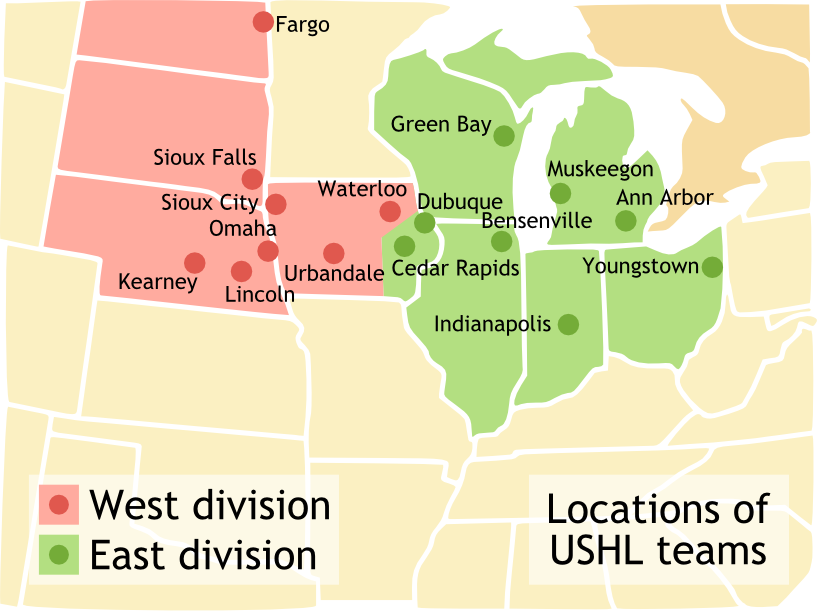
Lincoln’s 2025 Anderson Cup run and Muskegon’s first-ever Clark Cup championship in 2025 are the clearest modern examples of how the two honors differ. Lincoln’s achievement belonged to the regular season, where the Stars were the league’s best over the full schedule. Muskegon’s title belonged to the postseason, where the Lumberjacks became the last team standing and turned a playoff run into a championship breakthrough.
Those two outcomes can happen in the same year because they measure different forms of excellence. The Anderson Cup asks which team was the steadiest over the long haul. The Clark Cup asks which team could carry that level, or even rise above it, when the season turned into series hockey. In junior hockey, that distinction shapes how rosters are built, how fans judge success, and how a season is remembered.
Why the Clark Cup usually carries the louder legacy
Both trophies matter, but the Clark Cup tends to leave the bigger imprint because it ends with a champion who has solved the hardest version of the schedule. The playoffs compress the sport into a sprint, and the pressure makes every goal, save, and matchup feel larger. The Anderson Cup still matters because it rewards the best complete body of work, but the Clark Cup is the final answer in the arena when the season is on the line.
That is why USHL followers speak of champions in two ways. One title rewards mastery over 62 games, the other rewards mastery over the bracket, and together they define the league’s standard for success.
Sources
- [1]ushl.com