Wiffle Ball began with a perforated ball and a Connecticut invention
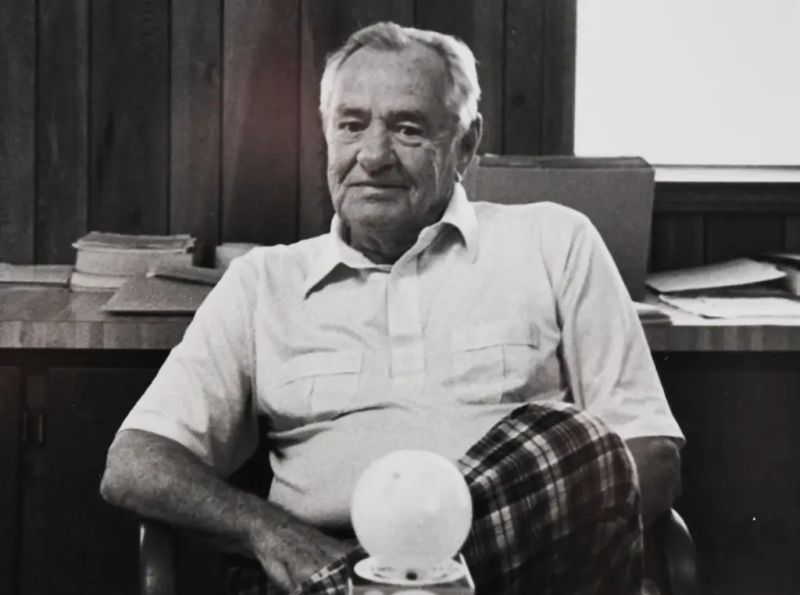
David N. Mullany did not set out to invent a nostalgic backyard ritual. In Fairfield, Connecticut, in 1953, he watched his 12-year-old son and friends play a baseball-like game with a perforated plastic golf ball and a broomstick, and that odd setup pointed him toward something bigger. The result became Wiffle Ball, a family business and a sport whose identity has always depended on the way the ball moves, not just the way it is hit.
A Connecticut invention built around movement
Wiffle Ball’s core innovation is the plastic ball itself. The holes are not decoration, and they are not a gimmick bolted onto a casual game after the fact. They are the reason the ball can dart, bend, and fall in ways a regulation baseball cannot, and that unusual flight changed how people understood the game from the start.
The Baseball Hall of Fame treats that flight as the key to Wiffle Ball’s evolution from backyard novelty into a distinct sport. Mental Floss makes the same central point in plainer terms: the perforated ball’s unpredictable curve is the appeal. Once the ball’s path became the attraction, Wiffle Ball stopped being just a scaled-down version of baseball and became a pitching game with its own logic.
Why the pitcher matters more than raw power
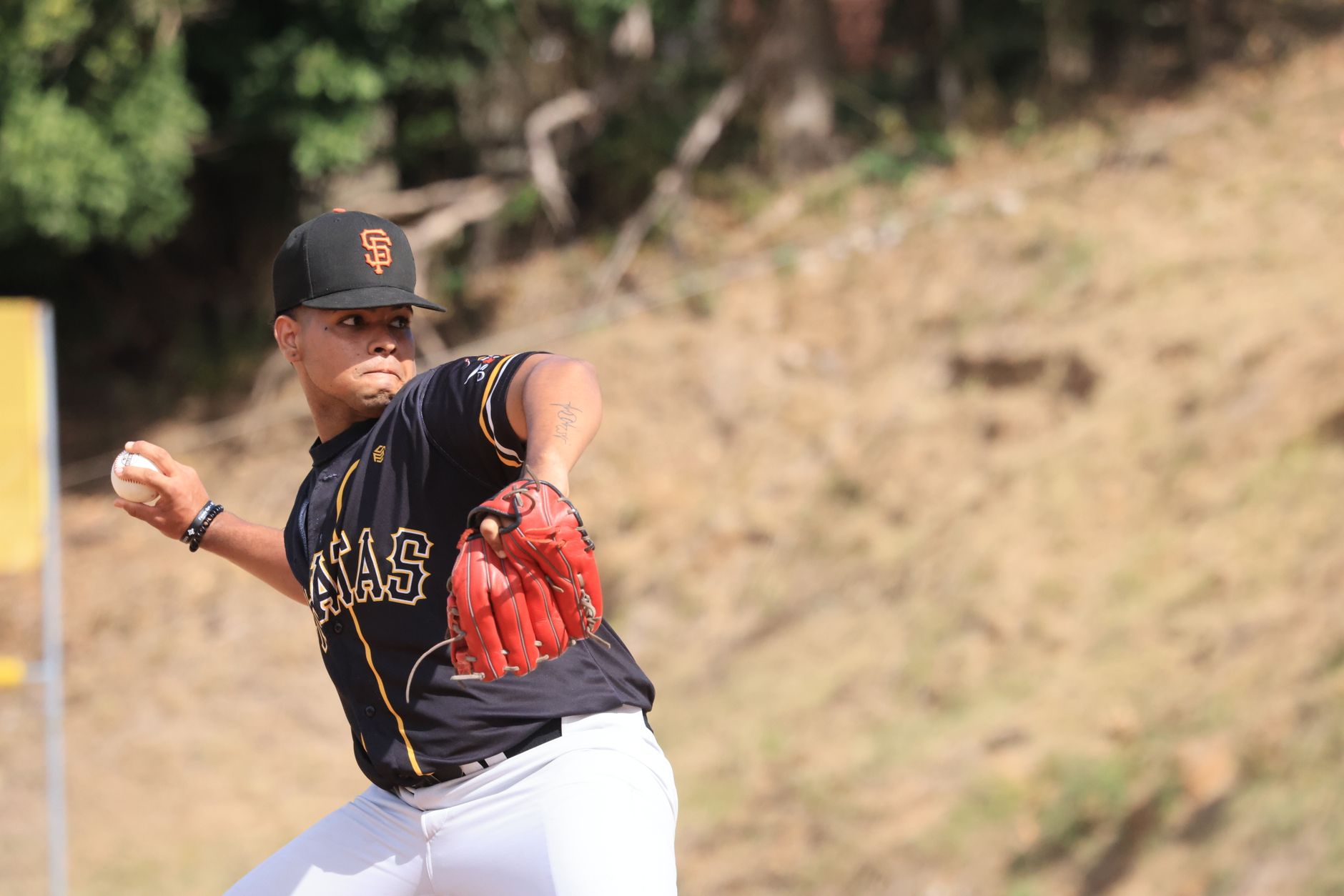
The design of the ball made control matter as much as arm strength. In Wiffle Ball, pitchers learn to work with grip, seam orientation, and release angle to generate movement and deception. That shifts the sport’s center of gravity: the best thrower is not simply the hardest thrower, but the one who can make a ball wobble, sweep, or dive on command.
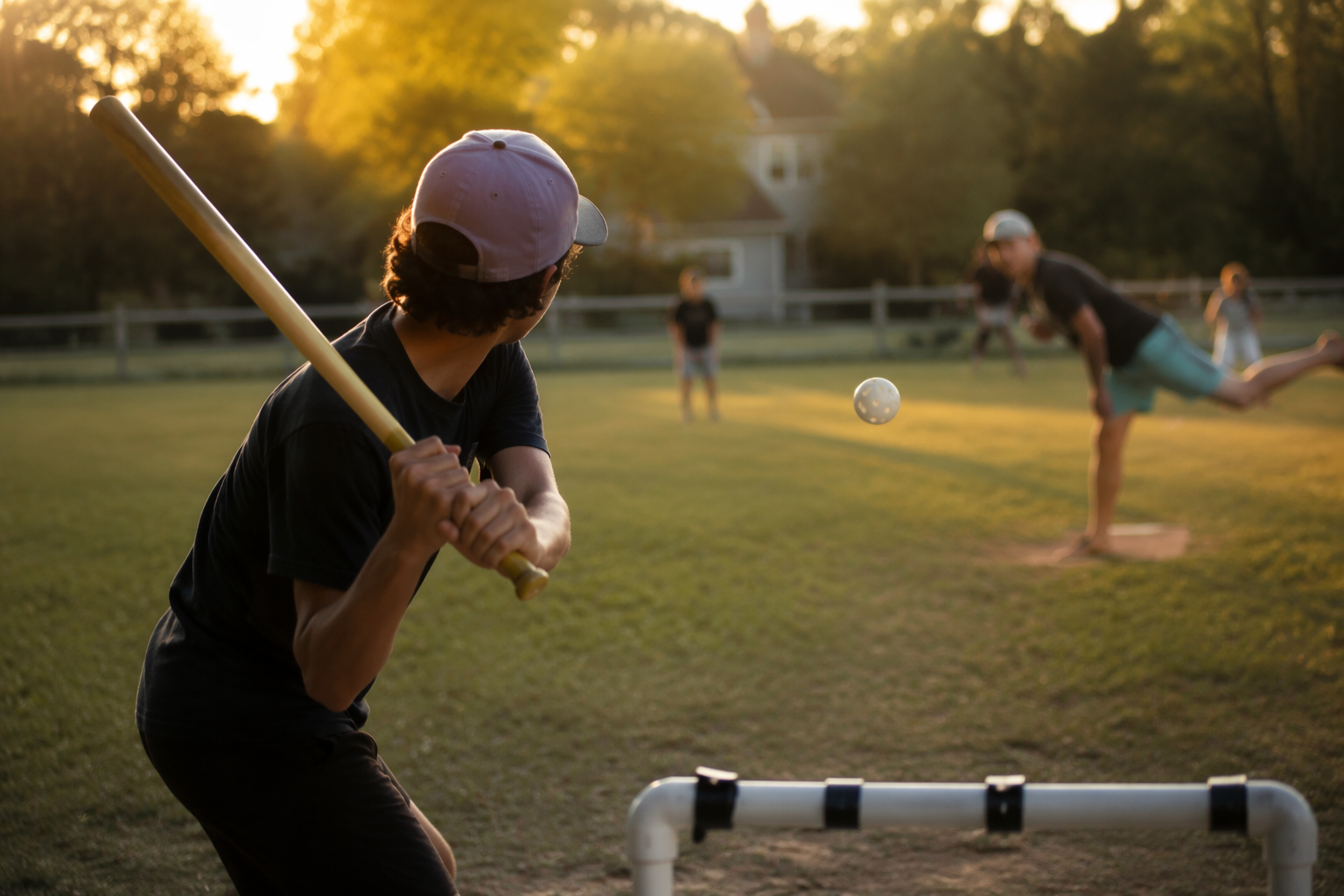
That is the equipment story at the heart of the sport’s identity. A backyard game built around a standard bat-and-ball exchange would never have produced the same emphasis on pitch design, but the perforated plastic ball forced players to develop a different skill set. The result is a game that rewards feel, repetition, and touch, which is why Wiffle Ball has long supported a real pitching culture rather than only a recreational one.
The man behind the ball
Mullany’s background helps explain why the invention took shape the way it did. Connecticut History describes him as a father, a former college baseball player, and a recently laid-off salesman when he made the ball. That combination matters: he understood baseball from the inside, saw a practical opening in the market, and was close enough to family play to notice that a makeshift game already existed in his own yard.
The invention also stayed rooted in family ownership. The Wiffle Ball company has remained a family business, and its official history is tied to The Wiffle Ball, Inc. in Shelton, Connecticut. That continuity has helped preserve the product’s identity across generations, so the ball has never been separated from the people and place that made it.
Shelton, not just summer lawns
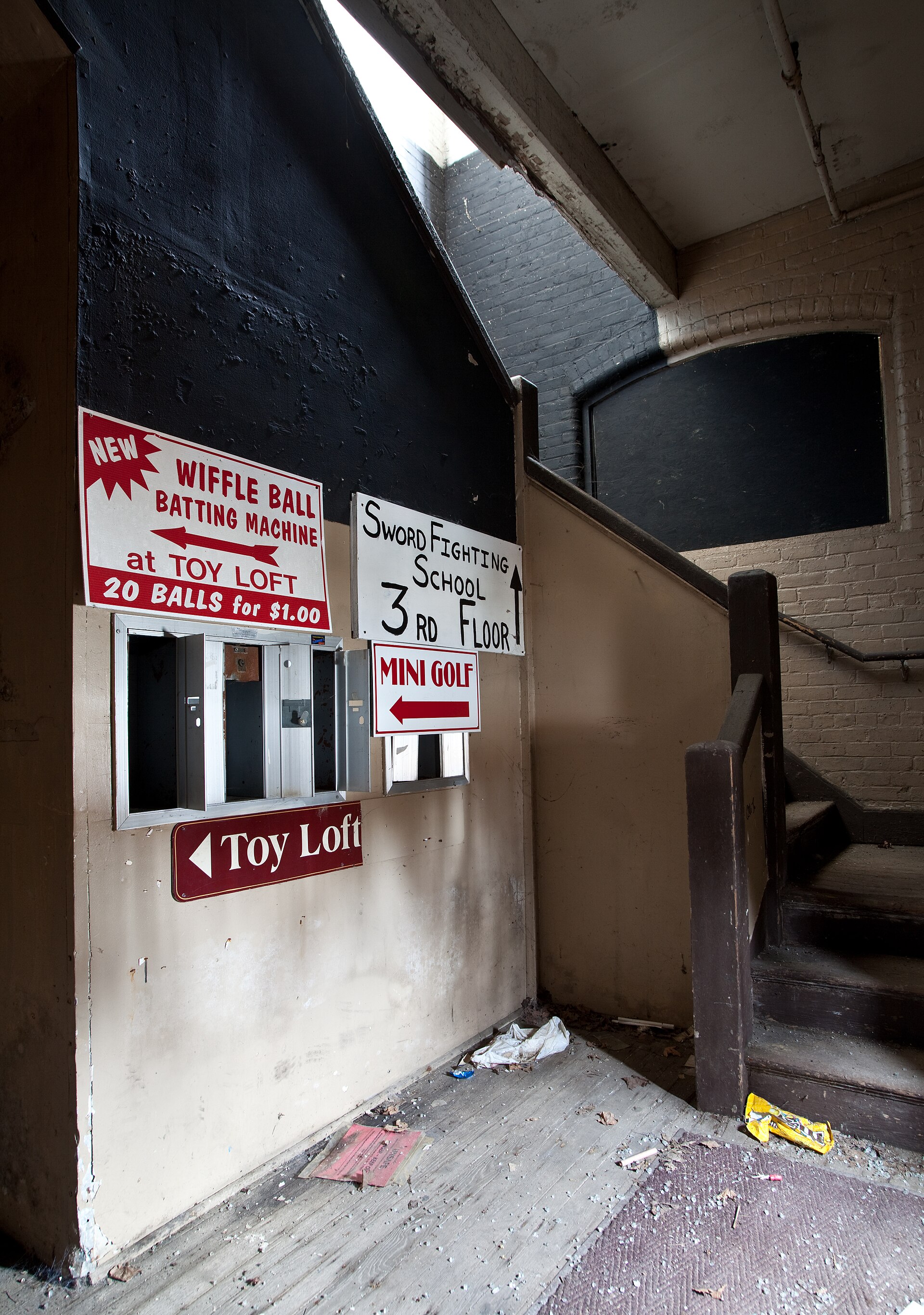
The geography matters because Wiffle Ball never became a disposable toy that vanished when the fad passed. NPR reported in 2011 that Wiffle Balls were still being made in Shelton, Connecticut, which gave the brand a rare kind of continuity in an era when so many inexpensive plastic toys are manufactured elsewhere and disappear quickly. That domestic manufacturing story has become part of the product’s cultural meaning, especially because the ball is so closely linked to American childhood and informal play.
The Strong National Museum of Play also gives Wiffle Ball a place in toy history, which is fitting because the ball sits at the intersection of play and sport. It is simple enough for a child to understand immediately, yet distinct enough in flight that adults can turn it into a serious game. That dual identity is one reason the product has lasted.
How the name fits the sport
The name itself reinforces the batting-and-pitching drama at the center of the game. Wiffle Ball takes its name from the slang word “whiff,” meaning a missed swing. That is a small linguistic detail, but it captures the sport’s essential tension: the pitcher is always trying to make the batter miss, and the ball’s movement is what makes that possible.
It also separates Wiffle Ball from more generic backyard baseball. The name does not point to a field, a league, or a place to play. It points to the result that the ball is designed to produce, a swing and miss, which is exactly why the sport developed such a strong identity around pitch movement and deception.
Why the game spread so easily
Wiffle Ball became durable because its equipment lowered the barrier to play without flattening the skill ceiling. It is cheap compared with full baseball equipment, easy to set up, and workable in spaces too small for a real diamond. That made it portable in a way traditional baseball is not, from backyards to parks and later into organized tournament settings.
That portability is also part of the sport’s social footprint. The same perforated ball that creates dramatic break in a close space also makes the game adaptable across ages and skill levels. A child can pick it up quickly, but a serious pitcher can spend years learning how to command the ball’s movement, which is why Wiffle Ball has endured as both a playtime staple and a specialized pitching game.
The lesson in Wiffle Ball’s origin is that equipment can create a sport’s identity as surely as rules can. Mullany’s perforated ball did more than improve a backyard pastime. It gave ordinary throwing mechanics a new physics lesson, and that changed the way the game was played in Fairfield, in Shelton, and wherever people wanted a small plastic ball to behave like something much bigger.
Sources
- [1]wiffleball.com
- [2]baseballhall.org
- [3]connecticuthistory.org
- [4]npr.org
- [5]mentalfloss.com
- [6]museumofplay.org