Wiffle Ball pitching becomes a game of controlled deception

A Wiffle Ball is perforated on one side, and the best pitchers use that quirk to make the same throw look like a strike, a miss, or a late break that never matches the hitter’s timing. The sport’s real vocabulary is built around pitch shapes, not fastball speed.
How the ball rewires pitching
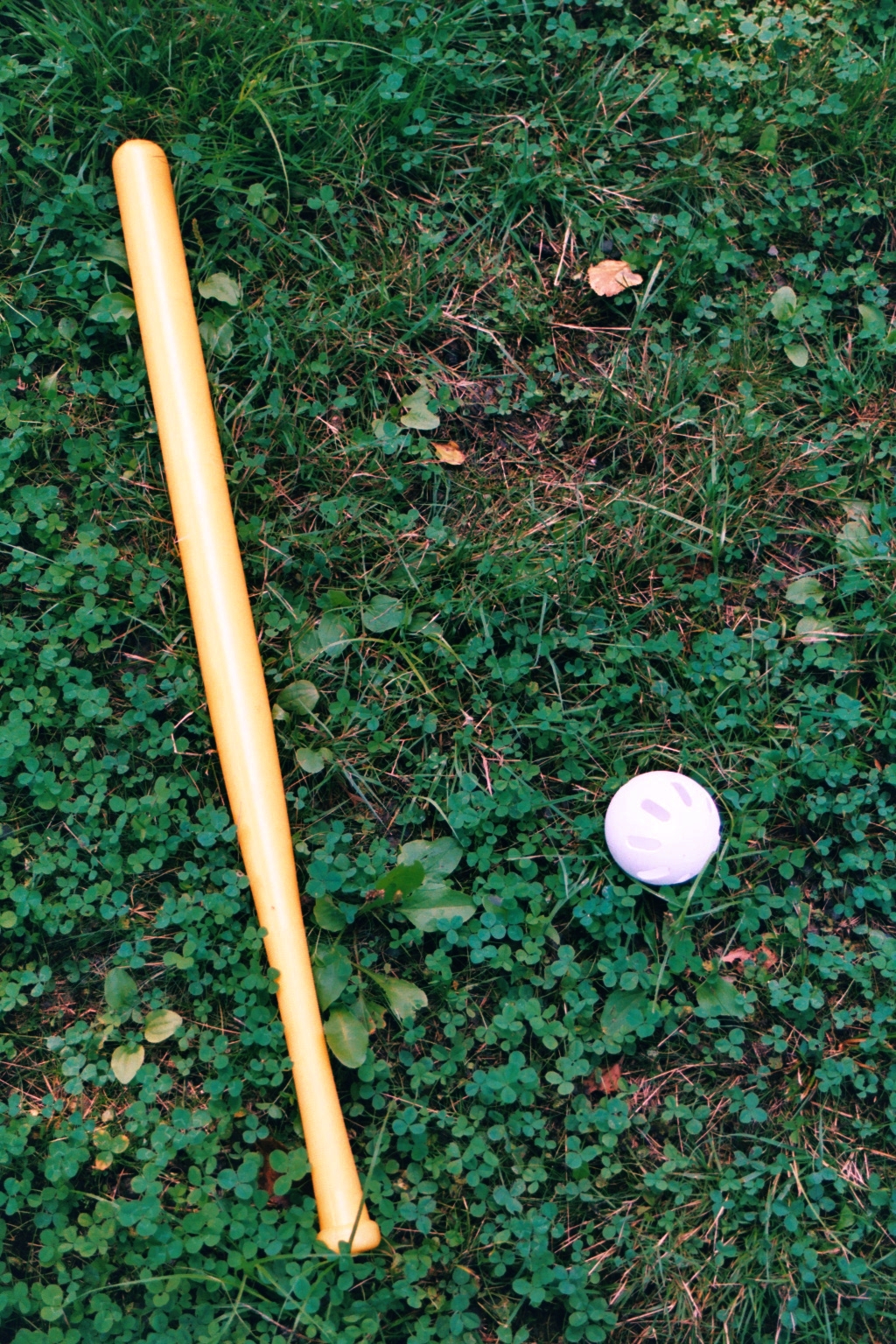
Wiffle Ball changes the job from the first grip. In baseball, velocity can overwhelm a hitter; in Wiffle Ball, the ball’s shape and airflow make spin, arm slot, and release point the true weapons. The game slowed baseball down, shrank the field, and helped players manage safety and space constraints, while the thin purpose-built bat further tilted the contest toward pitchers by making contact harder.
That design is why Wiffle pitching has developed its own language. In instruction and competition, pitchers talk in pitch families: slider, drop or sinker, riser, screwball, big curve, cut fastball, and knuckleball. Major League Wiffle’s tutorial separates slider, drop, and riser into distinct pitches, and another instructional video includes sinker, screwball, and the same core movement patterns, showing that serious play has settled into a standardized arsenal.
The three pitches that define the craft
The slider is the first movement pitch most baseball fans recognize, but in Wiffle Ball it becomes even more violent because the ball’s perforations amplify lateral break. Thrown with the right spin and arm angle, it sweeps away from the barrel and can look hittable until the last moment. In a Wiffle at-bat, that late sweep is often enough to turn a swing into a miss or weak contact off the end of the bat.
The drop, sometimes called a sinker, attacks a different fear: the swing plane. Instead of darting sideways, it falls beneath the spot where the hitter committed, which makes a good swing look late even when the timing is close. Because the ball is so light, a pitcher who keeps the release consistent can make the pitch disappear under the zone and force the batter to chase a ball that seemed to start as a strike.
The riser is the pitch that changes eye level and breaks a hitter’s trust in what the ball is doing. It does not literally defy gravity, but its spin and the perforated surface can make it resist the normal drop that a hitter expects, so it appears to climb or stay up longer than anticipated. That is enough to make a committed swing pass beneath it, especially when the pitcher has already shown a slider or drop out of the same arm slot.
Why sequencing matters more than raw stuff
The real edge comes from sequencing, not from trying to overpower the batter. Serious Wiffle pitchers use the slider, drop, and riser as a conversation between one pitch and the next, building doubt by repeating the same arm action and changing only the movement profile. When the hitter has to protect against a late sweep, then a sudden fall, then a pitch that holds its plane longer than expected, the at-bat becomes a guessing game.
A simple sequence often looks like this:
- Start with a slider that brushes the zone, so the hitter has to respect the edge.
- Follow with a drop from the same release point, turning the previous swing decision into an overcommitment.
- Finish with a riser that changes the hitter’s eye level and punishes the tendency to chase downward movement.
A game designed to reward movement
Wiffle Ball’s origin fits that pitching logic. David N. Mullany created the concept in Fairfield, Connecticut, and the name came from neighborhood slang for strikeouts, “whiffs.” When he began supplying local stores in 1953, he removed the h and trademarked Wiffle, then filed the patent on Feb. 18, 1954. By 1959, the Mullanys were running their own factory in Shelton, Connecticut, after the elder Mullany took out a second mortgage to finance production.
The product quickly became more than a backyard curiosity. The Baseball Hall of Fame lists the first retail balls at 49 cents apiece, and in the 1960s the company produced a black-and-white television ad featuring Whitey Ford.
Rules that make command the premium skill
Organized Wiffle Ball has doubled down on that skill set. AWA Wiffle enforces a radar-measured 59 mph limit from the mound, uses an eight-foot no-bunt line, fields only four defenders, and places a 14-inch by 7-inch backstop behind home plate that can be used to record home-plate outs. Those rules compress the advantage of raw speed and expand the value of pitch design, because the pitcher cannot simply overpower the strike zone.
With velocity capped, pitchers separate themselves by repeating a release point, changing the spin, and making the same plastic ball show two or three different flight paths in the same game.
From backyard invention to tournament sport
Wiffle Ball entered the National Toy Hall of Fame on Nov. 9, 2017, joining 64 other classic toys and games at the time. The World Wiffle® Ball Championship traces its formal organization to 1980 in Mishawaka, Indiana, loosely patterned after a 1970s sandlot league at Strike’s Field, and some tournaments offer cash prizes as high as $3,000.
The Twinsburg World Series of Wiffle Ball listed 114 teams for 2021 and scheduled its next event for August 13-16, 2026.