Wiffle Ball rulebooks keep equipment standard and competition fair
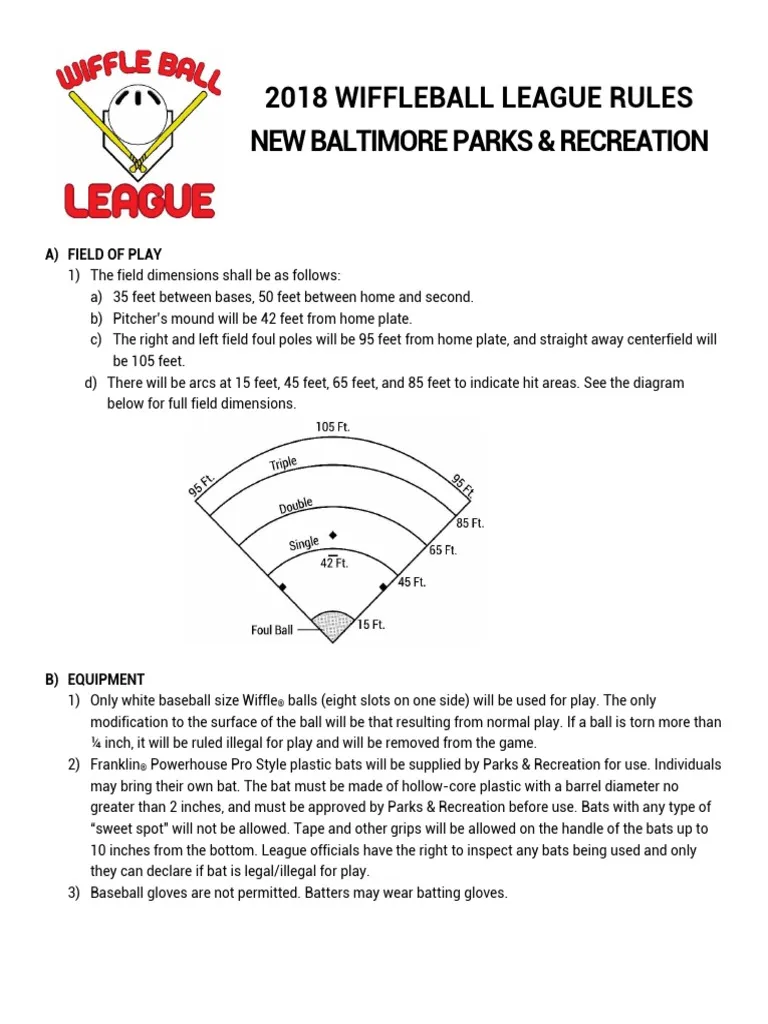
In organized Wiffle Ball, the fiercest competitive edge often shows up before the first pitch. A ball with the wrong hole orientation, a bat altered beyond the rules, or a field marked a few feet differently can change movement, contact and scoring fast enough to tilt a tournament. That is why the sport’s rulebooks read like technical manuals: they are protecting legitimacy as much as they are setting boundaries.
Equipment is where fairness starts
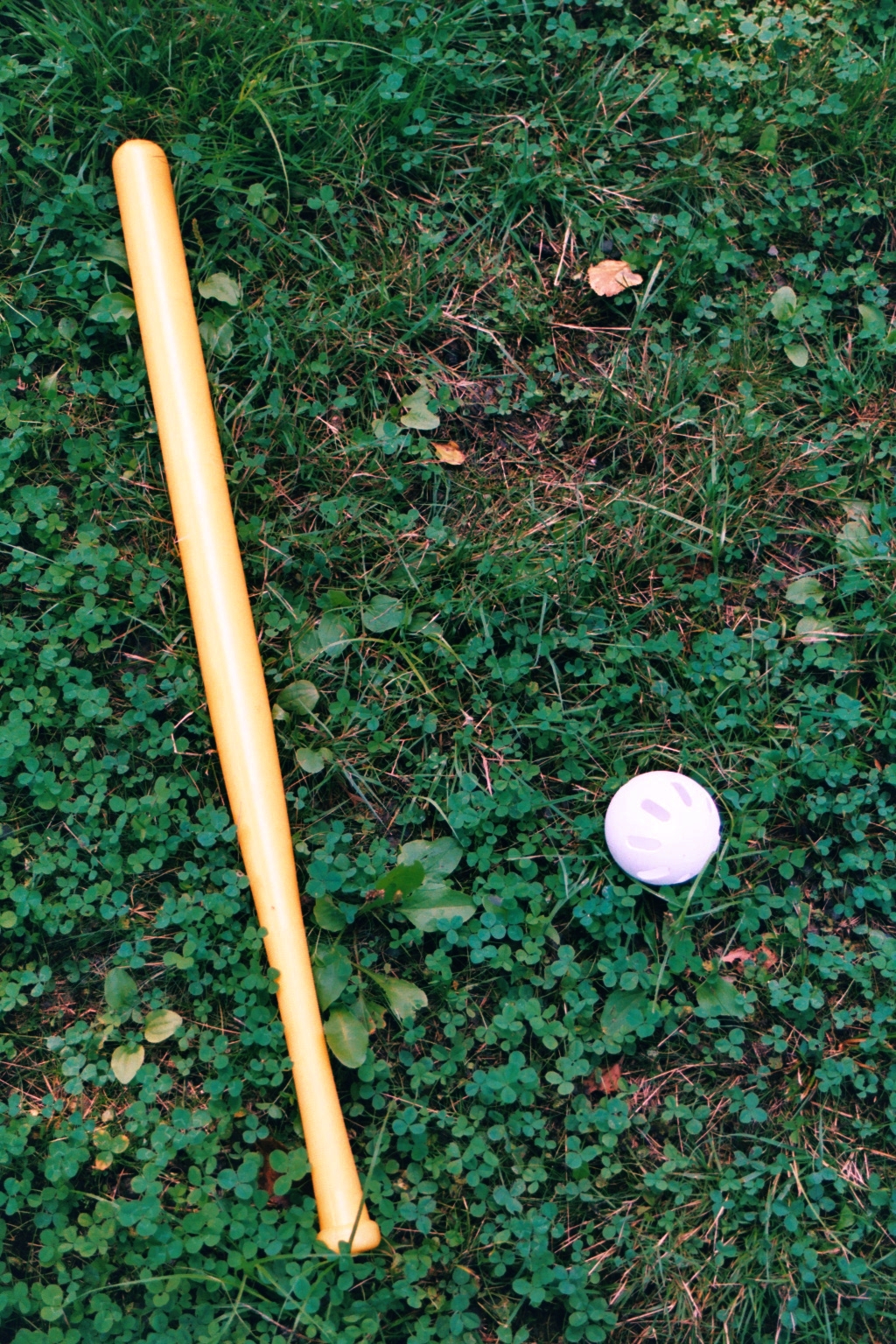
Treasure Valley Sports Leagues makes the standard blunt and easy to enforce: official Wiffle balls and bats are provided by the organizer, and no modifications to the ball are allowed. If the hole is on the bottom, it must be kept open, while tape is allowed only on the handle. Those lines may look fussy on paper, but they separate comfort from competitive manipulation, letting a player improve grip without changing the ball’s flight.
That distinction matters because Wiffle Ball lives on tiny aerodynamic differences. A handle wrap helps a hitter hold the bat, but sealing, filling or otherwise altering the ball would change the way the pitch moves and how the bat reacts at impact. Organized play leans on that line because once one player can tune the ball itself, every other player is forced into a different game.
The major circuits all guard the same idea
The World Wiffle Ball Championship uses Major League Baseball rules, with specific exceptions, which gives the event a familiar baseball spine while preserving the odd geometry that makes Wiffle Ball its own sport. Its history page says the championship was formally organized in 1980 at Bethel College Park in Mishawaka, Indiana, and that it was loosely patterned after a sandlot league played in the 1970s at Strike’s Field in Mishawaka. That origin matters because it shows the sport moving from improvised neighborhood play into a codified competitive format without losing its backyard identity.

The championship site also points readers to a 2019 Ringer article for more background on its style of play, a sign that even elite Wiffle Ball still explains itself through the culture of the game rather than through formal league jargon. The next chapter of that lineage is already on the calendar: the 47th World Wiffle Ball Championship is scheduled for August 15-16, 2026, at Crown Point Sportsplex in Crown Point, Indiana.
The National Wiffle League Association keeps its own format tight. Its tournament rules say the basics include up to 6 players batting and 3 players in the field, a compact structure that keeps defensive positioning, pitcher control and contact quality at the center of the competition. The BWBL rulebook, last updated June 26, 2025, organizes the sport into clear sections covering equipment, field requirements, pitching regulations and conduct policy, which is another sign that organized Wiffle Ball has become serious enough to need a layered rule architecture.
The field itself is part of the rules
The numbers painted onto a Wiffle Ball field are not decoration, they are the competitive framework. The 2024 Twinsburg World Series of Wiffle Ball official rules say the event was held at Liberty Park in Twinsburg, Ohio, with singles and doubles lines set at 42 feet and 65 feet from home plate, and a home-run fence at 90 feet. Those distances decide what counts as a playable drive, a gap shot or a homer, and they make the park itself part of the strategy.
Springville, Utah’s rule set pushes the same logic into the basepaths and the mound. Its rules say bases are 40 feet apart and the pitching rubber is 37 feet from the strike zone, measurements that shape timing, reaction windows and how much room a pitcher has to work with movement. In a sport where the ball can dart late and the bat can punish a mistake immediately, a few feet on the field are not minor details, they are the difference between a manageable at-bat and a runaway inning.
Safety rules protect the game’s credibility
Treasure Valley Sports Leagues also requires closed-toed footwear and bans metal cleats. That is a practical response to the way Wiffle Ball is often played on temporary or multi-use surfaces, where traction, footing and field preservation all matter as much as speed out of the box. Safety rules are not just about avoiding injuries, they help keep the playing surface consistent for everyone in the tournament.
That consistency is a theme across the sport’s best-run events. Closed-toed shoes reduce the risk of foot injuries, while banning metal cleats avoids damage to fields that were never built for them in the first place. In a game defined by small margins, uneven footing can matter just as much as an altered ball.
Why the rulebook is the sport
The Baseball Hall of Fame describes Wiffle Ball as a variation that grew from baseball tradition and became a distinct pastime with its own rules and community. That is the key to understanding why all these equipment and field specifications matter: they do not shrink the sport, they give it a stable identity. Backyard players can improvise, but tournament play needs a common standard so the result reflects skill, not secret equipment advantages.
That is the hidden battleground of organized Wiffle Ball. The best rules do not just police behavior, they protect the game’s recognizable physics, from the open hole in the ball to the 42-foot singles line and the 90-foot fence. When the equipment stays standard, the competition stays believable, and that is what keeps Wiffle Ball both accessible and credible at the same time.