Wiffle Ball rules reveal the game’s simple, zone-based design

The original Wiffle Ball rule sheet builds around a ball light enough that it cannot be thrown or hit any great distance. It takes baseball, strips away the parts that need a full field, and leaves behind a game that still produces outs, scoring, and tension in very small spaces. It was built to replace baseball, stickball, and softball for boys and girls in back yards and city streets.
A game built around space, not acreage
If the ball cannot travel far, the sport does not need long grass, foul poles, or room for runners to round the bases at full speed. Wiffle Ball makes the most of that constraint by keeping the action tight and immediate, which is why the official rules work so well indoors as well as outdoors.
The game feels recognizable the second the first pitch is thrown. A pitcher still works against a hitter, a defensive side still has to get three outs, and the game still has an innings structure that gives it shape.
Nine innings, three outs, and no base running
The official suggested game rules compress the game into a miniature format. Wiffle Ball keeps a nine-inning structure and uses three outs per side, which gives the game a familiar rhythm and a clear finish. At the same time, it removes base running entirely, the biggest change in the book and the clearest sign that the game was built for back-yard conditions rather than a regulation diamond.
That omission changes the logic of the contest. In baseball, a lot of the drama comes from movement between bases, with runners advancing one station at a time, forcing defensive decisions, and creating the possibility of double plays or throws across the infield. Wiffle Ball replaces that with immediate, zone-based pressure on each at-bat. The focus shifts from moving bodies around a field to placing the ball in the right part of the playing area before the defense can control it.
The zones turn baseball logic into backyard logic
The batting order is zone-based rather than lineup-based in the usual baseball sense. The official structure names a pitcher, catcher, double area player, triple area player, and home run area player. Those labels show how Wiffle Ball translates baseball’s scoring ideas into a format that works in a smaller footprint.
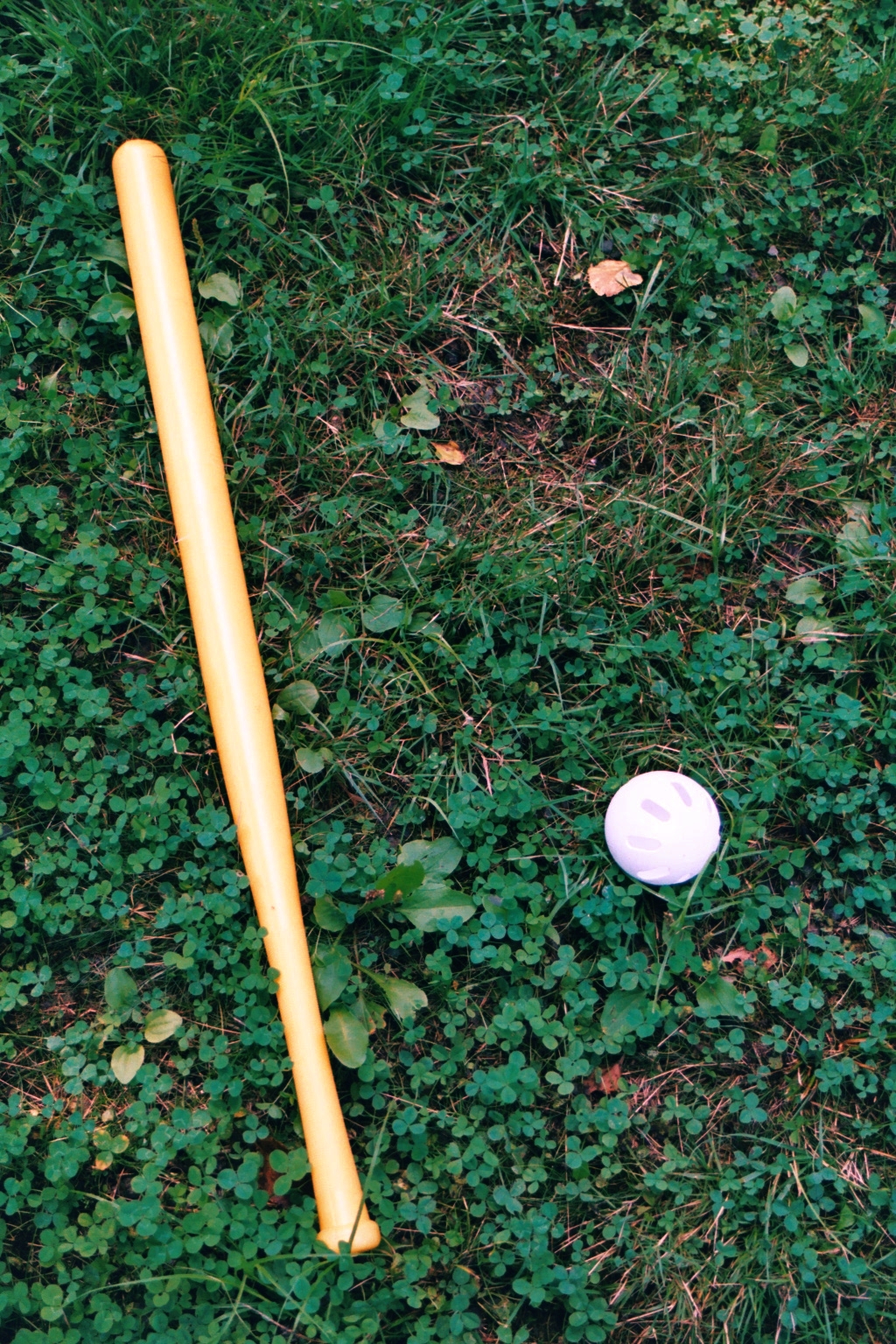
Each zone solves a different problem that comes with limited space. If you cannot create full base paths, then you need scoring targets that can be reached and judged quickly. If the field is too small for traditional runner movement, then the game needs a way to reward deeper contact without asking players to sprint around bases. The double area, triple area, and home run area create those incentives at a glance, so the game still has levels of contact and payoff even without base running.
That setup also changes how players think about offense. A hitter is not simply trying to survive an at-bat or put the ball in play. The goal is to send the ball to the next scoring zone, and the defense is trying to stop that before it becomes a better result. Because the zones are baked into the rule sheet, the game keeps the clean baseball idea of risk and reward in a form built for a driveway, yard, or narrow street.
Why the game still feels competitive
Three outs still matter. Nine innings still give the game a proper arc. The absence of base running does not remove strategy; it compresses it. Pitch selection, defensive positioning, and lineup decisions all revolve around the same problem of space, timing, and control.
There is no long chain of advance from first to second to third. There is instead a direct test of whether the batter can produce the right kind of contact in the right direction. In a full-size game, a lot of the action depends on what happens after the ball is put in play. In Wiffle Ball, the action happens immediately, at the point of contact, and the rules keep every swing tied to a specific zone outcome.
The rule sheet as the sport’s blueprint
The original rules accept that the available space is small and that the game needs to fit into places where a regular diamond would never make sense. From that starting point, the rule sheet builds a playable version of baseball that keeps scoring and keeps outs.
Sources
- [1]wiffle.co