Wiffle ball rules vary widely, from NWLA to world championship
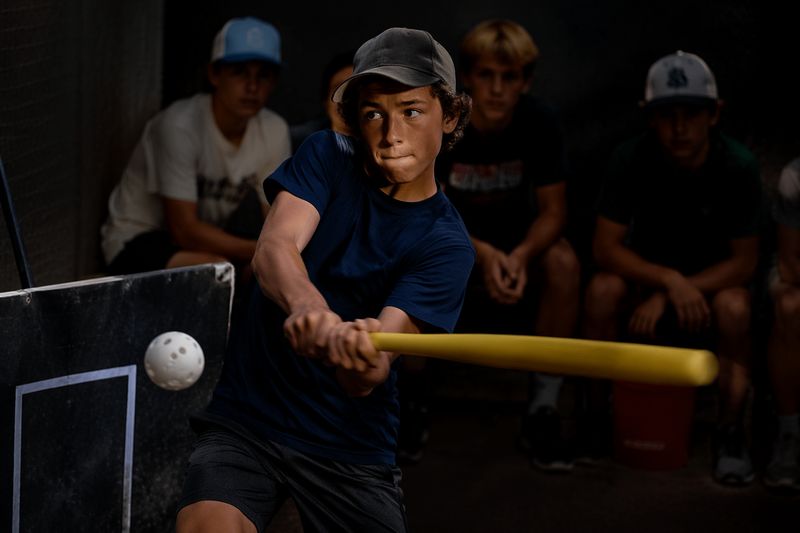
Wiffle ball looks familiar until the rulebook changes the game. One league stretches the field and allows six hitters and three fielders, another leans on self-umpiring and captain disputes, and a third freezes the action with pitch clocks in all but name, a radar-enforced 59 mph cap, and three-inning games. Those differences do more than shape local tournaments, they create separate versions of the sport with their own skills, strategies, and standards.
A backyard invention that invited variation
The modern game began in 1953 in Fairfield, Connecticut, when David A. Mullany and his son improvised with a plastic golf ball and a broomstick handle. The point was never just novelty. The ball was designed to curve easily, slow the pace, and make play safer in tight spaces, which is why the sport has always rewarded adaptation instead of rigid uniformity.
When Mullany began supplying local stores, he dropped the “h” and trademarked the name Wiffle. That move helped turn a homemade idea into a product, but it also left the sport with something baseball does not have in the same way: a shared object without a single universal code. Every serious league has built its own version around the same plastic bat-and-ball core.
NWLA builds a faster, wider game
The NWLA Tournament says directly that wiffle ball leagues vary across the country, and its own rules show how much can change once a league decides what it values most. NWLA allows up to six players to bat and uses only three defenders in the field, a structure that puts pressure on pitchers and rewards contact over deep lineups. There is no pitch-speed restriction, so velocity becomes part of the competitive edge rather than something to be capped.
The field itself is also set to demand power and precision, with dimensions of about 90 feet down each foul line and about 100 feet to center field. NWLA uses official yellow bats and clean, unscuffed balls, and it includes the pitcher’s poison circle in its version of the game. That combination changes everything: a bigger field makes defense cover more ground, a smaller defensive alignment forces cleaner pitching and smarter placement, and the absence of a speed cap gives top arms room to overpower hitters.
The world championship turns the game into a self-managed event
The World Wiffle Ball Championship takes a different path. Its rules use Major League Baseball rules with exceptions, but the practical effect is a compact format built around four- or five-player rosters, with four players on the field at any time. Teams self-umpire, and captains settle disputes, which means the event depends as much on discipline and trust as it does on skill.
Equipment and conduct matter just as much. The championship requires regulation yellow bats, baseball-size balls, and flat-soled shoes, and it treats unsportsmanlike behavior and fan interference seriously enough that teams or individuals can be removed from the event. That is a notably different model from NWLA’s more expansive, speed-friendly setup: one is built around fielding space and offensive pressure, the other around order, control, and game management.
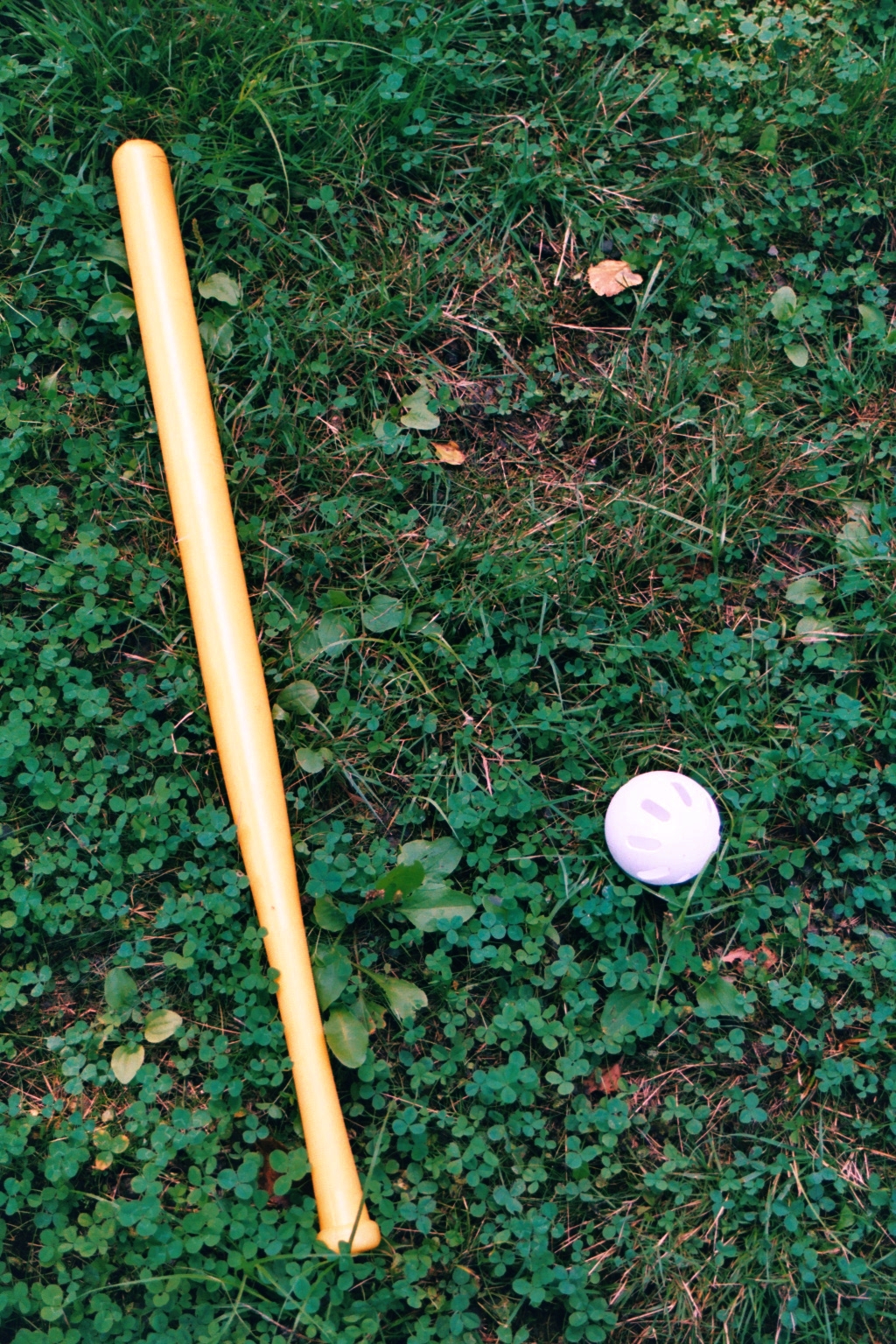
The championship also carries historical weight. It describes itself as the oldest, largest, and most prestigious plastic bat-and-ball tournament, and Indiana tourism materials say it was founded in 1980 and is now in its 47th year. That longevity matters because a long-running event tends to harden its own standards, and in this case those standards help define what high-level wiffle ball can look like when the sport is staged nationally.
AWA leans into pace, limits, and clear tactical boundaries
The American Wiffle Association pushes the sport in yet another direction. Its rules include a 59 mph speed limit enforced by radar, no bunts, no stealing, no leading off, and no balks. It also sets a six-run limit per inning and plays three-inning games, which compresses every contest into a fast tactical sprint rather than a long chess match.
That structure changes the skill profile. Pitchers cannot simply blow through innings with speed, because radar keeps velocity in check; hitters cannot shorten the game with bunts or sneak extra bases with steals and leads; and managers have to treat every inning like a capped possession. The result is a format that favors command, timing, and situational execution over marathon depth.
AWA materials also show that the strike zone and pitcher’s circle can be set by distance in some rule documents, and some of those documents use a 3-strikes, 4-balls format. That matters because even within the same branded ecosystem, the game can tilt toward different standards of fairness and strike judgment. One league’s version of “the zone” can be another league’s argument point, and that is before a radar gun or a no-bunt rule enters the picture.
Why the differences change the sport itself
These rule choices are not minor quirks. NWLA’s six-batter, three-fielder structure stretches offense and defense across more open space. The world championship’s self-umpiring and small rosters make composure and dispute resolution part of the skill set. AWA’s 59 mph cap, no-steal rules, and three-inning games compress decision-making into a tighter, more controlled format.
That is why national competition in wiffle ball is so hard to standardize. A pitcher who thrives under one rule set may be less valuable under another, especially if one league rewards high-speed breaking action while another limits velocity and another places a premium on exact command. Likewise, a defender who can cover wide NWLA-style ground may be less important in a four-player championship format, where positioning and reliability matter more than range.
The sport’s biggest tournaments have not solved that problem by forcing one universal code. They have embraced it. From Fairfield’s first plastic golf ball and broomstick handle to the country-spanning NWLA rules, from the world championship’s self-policed prestige to AWA’s radar-gunned limits, wiffle ball survives by letting different communities build different games from the same invention.