Wiffle Ball splits between backyard play and certified tournaments
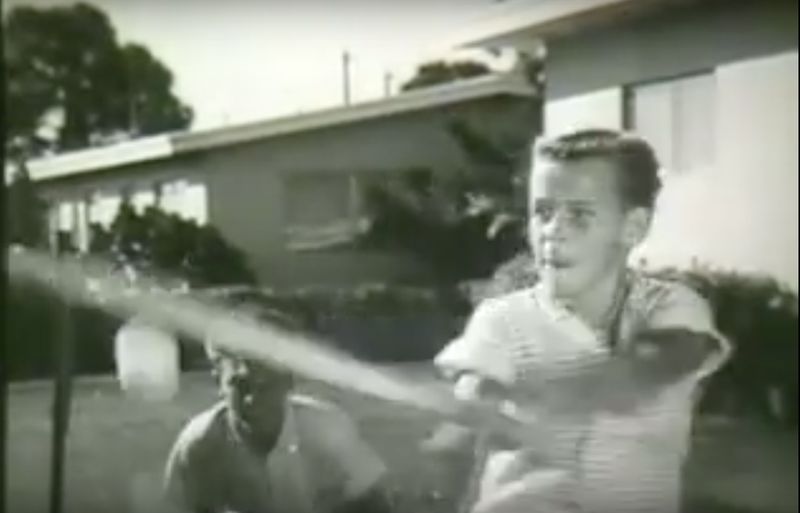
The best Wiffle Ball stories still start in a backyard, but the sport’s future often runs through a registration form. The game was born in Fairfield, Connecticut, in the summer of 1953, when David N. Mullany watched his 12-year-old son and a friend improvise with a perforated plastic golf ball and a broomstick handle. That same homemade energy now lives alongside a tightly controlled brand system, and that split shapes everything from how local leagues promote a tournament to who gets to call it official.
Backyard roots, brand rules
Wiffle Ball never lost its sandlot identity, and that is part of why it has endured. The Wiffle Ball, Inc. still frames the origin around that 1953 backyard moment, while Connecticut History adds the grit behind the invention: Mullany patented the ball, borrowed money, took a second mortgage on his home, and first sold Wiffle Balls in a diner in Woodbridge, Connecticut, where the supply sold out within weeks.
That origin story matters because it explains the sport’s strange double life. One lane is casual neighborhood play, where the game keeps its loose, DIY feel. The other lane is branded competition, where the WIFFLE name is treated as protected intellectual property rather than a generic label for any plastic backyard baseball setup. The company’s headquarters at 275 Bridgeport Avenue in Shelton, Connecticut, is the center of that system, and its factory and headquarters have reported manufacturing more than a million balls each year.
How to move from local game to official tournament
For organizers, the practical roadmap starts with a simple question: is this just a backyard tournament, or is it a public event that wants to use the WIFFLE brand? The company’s tournament registration language draws that line clearly, separating “BACKYARD TOURNAMENTS” from “CHARITY, PARK & REC, OR COMMUNITY TOURNAMENTS.” Once an event moves into advertising, public promotion, or branded presentation, the company says permission and certification are required.
That means the first decision point is not field size or bracket format, it is brand usage. If the event will be marketed with the WIFFLE name or trademarked material, organizers need to register rather than assume the brand is free to use. If the event is a single charity, park-and-recreation, or community tournament, the company provides a separate path, which suggests the brand is willing to support public play so long as the use is channeled through its rules.
A practical sequence for organizers looks like this:

- Decide whether the event is private backyard play or a public tournament.
- If the WIFFLE name will appear in advertising or promotion, begin with registration.
- Match the event to the correct category, backyard or charity, park and rec, or community.
- Seek permission and certification before using brand or trademarked material publicly.
- Avoid unauthorized public or commercial use of copyrighted WIFFLE material.
The key boundary is not simply whether people are playing ball. It is how the event is presented to the public and whether the brand is being used to sell, promote, or legitimize it.
What organizers gain, and what they give up
Official status brings legitimacy. A certified event can advertise itself inside the WIFFLE ecosystem, which matters if a league wants sponsors, a charity hook, or a larger audience than the local block can provide. That recognition also places an event into a broader tournament culture, one that treats the sport as more than a neighborhood pastime and ties it to an established brand identity.
The tradeoff is control. A backyard league can invent almost anything, from quirky rules to local trophies, without asking anyone’s permission. A certified tournament has to operate inside the company’s trademark and copyright rules, which means less freedom to improvise with the WIFFLE name and less room to blur the line between casual play and public promotion.
The risk of ignoring that line is clear in the company’s language: unauthorized public or commercial use of copyrighted material is prohibited. For local organizers, that means a tournament can lose the very brand credibility it hoped to gain if it promotes itself as official without going through the certification process.
The competitive side is bigger than nostalgia
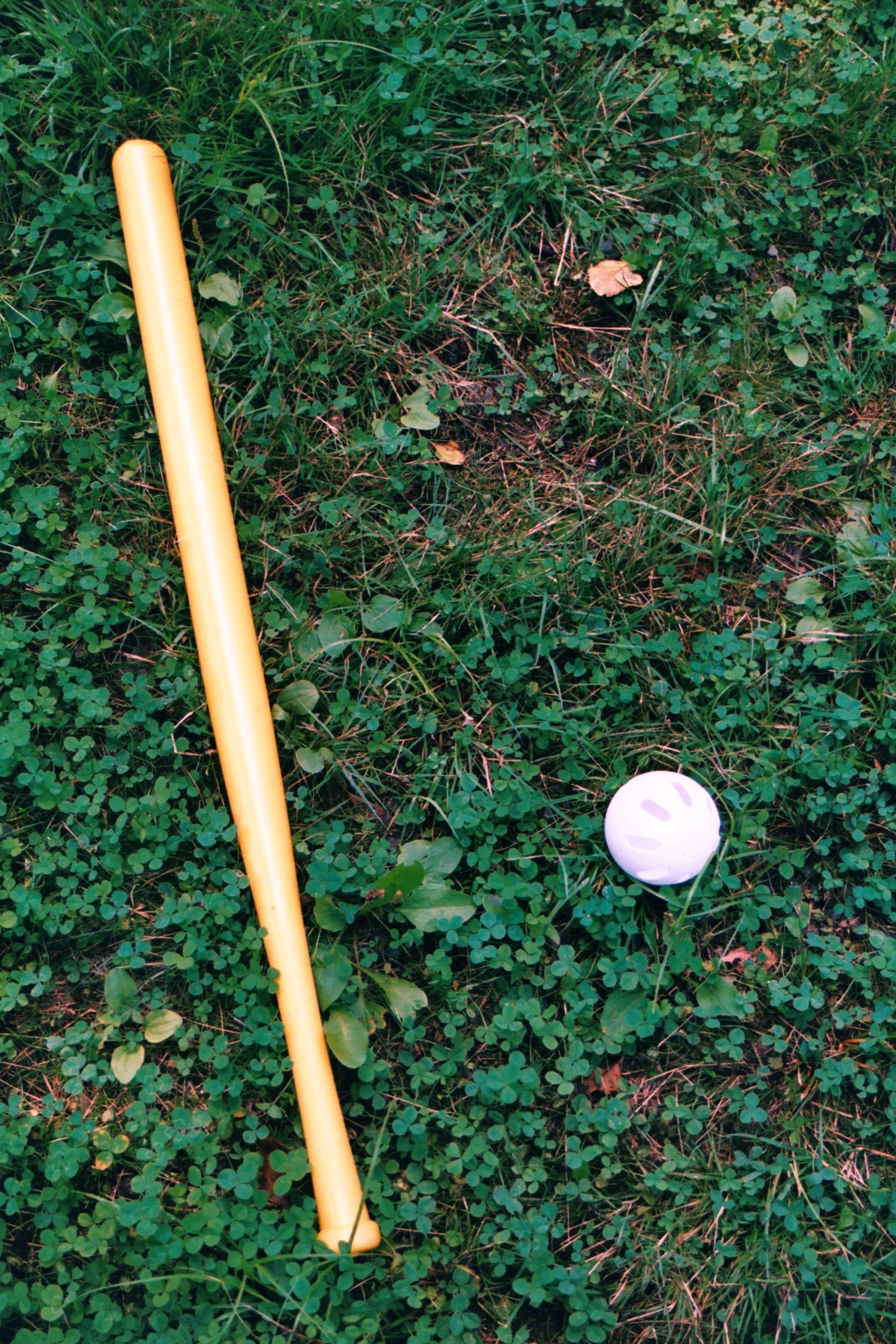
The organized end of Wiffle Ball is not a new invention. Connecticut History notes that the game developed formal rules and tournaments, and United Wiffleball says its championship tradition dates back to 1989. That history matters because today’s certification debate is really about how a long-running competitive culture gets managed when it sits inside a trademarked product.
United Wiffleball gives that modern competitive world scale. The organization formed in 2020 to continue the fast-pitch national championship tradition, and its 2020 and 2021 National Championship Tournaments each drew more than 40 teams and more than 200 players from more than 25 states. In 2022, the field expanded again with the addition of the Wiffle Tigers from Saitama, Japan, showing that the sport’s tournament culture now reaches beyond the United States.
That growth helps explain why the brand wants clear lanes for different kinds of events. A local league that stays in the backyard category protects its freedom and its neighborhood feel. A league that wants tournament prestige, public marketing, and a place in the national circuit has to accept the brand’s terms.
Why the split has cultural weight
Wiffle Ball sits at a rare intersection of toy history, neighborhood recreation, and competitive sport. Its 2017 induction into the Toy Hall of Fame gave it institutional recognition, but the game’s real durability comes from the way it can still be both a pickup activity and a certified event. That flexibility has kept it visible across generations while also making the brand worth protecting.
For organizers, the lesson is straightforward. Backyard play keeps Wiffle Ball open, inventive, and communal. Certification turns it into something else: a branded tournament with permission, boundaries, and official standing. The sport’s future depends on both sides surviving, and the line between them is now one of its defining features.