Winter Olympics Face Uncertain Future as Climate Change Fuels Urgency
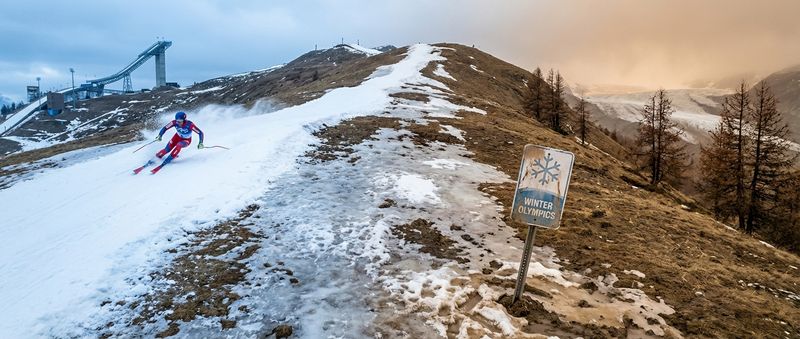
Climate change is rapidly redrawing the map for the Winter Olympics, driving urgent debate over how the Games are staged and where they can be held in the coming decades. With warming temperatures threatening the very foundation of winter sports, organizers, athletes, and host cities are grappling with tough questions about the event's future viability.
Traditionally, the Winter Olympics have been a showcase of natural snow and ice, requiring reliable winter conditions in host cities. However, as the Financial Times reports, climate change has emerged as a formidable challenge. According to recent studies referenced in the coverage, the number of cities worldwide that can meet the International Olympic Committee's (IOC) requirements for natural snow and cold conditions is shrinking steadily. This trend is accelerating the debate over how to adapt the Games in light of a warming planet.
- Average winter temperatures in former host cities are rising, reducing the number of potential future hosts.
- Many recent Games have relied on artificial snow, raising concerns about sustainability and environmental impact.
- IOC officials are considering new formats, including rotating the Games among a limited pool of suitable cities or developing new standards for artificial snow use.
Event organizers are under increasing pressure to balance tradition with innovation. The Financial Times notes that several host cities have struggled with inconsistent snowfall, leading to a greater dependence on energy-intensive snowmaking technologies. While these solutions have kept competitions running, they bring their own set of environmental costs and logistical hurdles.
The debate comes at a time when winter sports themselves are facing existential threats. Lower elevations and milder winters are shortening ski seasons and making it harder for athletes to train and compete under fair and safe conditions. This shift has prompted the IOC and sporting federations to consult with climate scientists, sustainability experts, and athletes to find a path forward that preserves the spirit of the Games.
Among the ideas being considered are:
- Establishing a permanent or rotating pool of host cities with proven cold-weather reliability
- Expanding the use of artificial snow while investing in greener technologies to reduce the carbon footprint
- Potentially moving some events indoors or to higher altitudes as more cities become unsuitable
As the impact of climate change intensifies, the urgency of these discussions is only growing. The future form of the Winter Olympics may look very different, with innovation and flexibility becoming as crucial as tradition and pageantry. The world’s premier winter sporting event stands at a crossroads, forced to adapt to an environment that is changing faster than at any point in its history.