Women’s college flag football adds four teams, coaching changes, and MAC expansion

Four new teams, two club changes, and a Mid-American Conference move give the July 13 Collegiate Flag Football newsletter its clearest message: women’s college flag football is still adding institutions while hardening its structure. The issue also points to Hardin-Simmons building a flag locker room, the Olympic Q-Series schedule, TMRW and Pro Flag League venues, and WFS athletes, a spread that shows the sport reaching beyond campus intramurals into a broader competitive ecosystem.
The expansion signal is getting louder
The strongest trendline in the newsletter is simple: the sport keeps finding new homes. The social post tied to the issue says the week included “4 new collegiate programs added,” while a later post describes “4 new collegiate programs added, 2 major program upgrades, and new NCAA, NAIA, and club opportunities announced.” That combination matters because it shows growth at multiple levels at once, not just a handful of isolated additions.
The “2 club changes” note is especially revealing. In women’s college flag football, club movement often means more than a cosmetic rename, because a club can be the bridge between informal participation and a more serious, school-backed pathway. When four new teams arrive in the same week that two clubs change status, the landscape is not simply expanding. It is reorganizing itself around clearer lines of competition, identity, and institutional support.
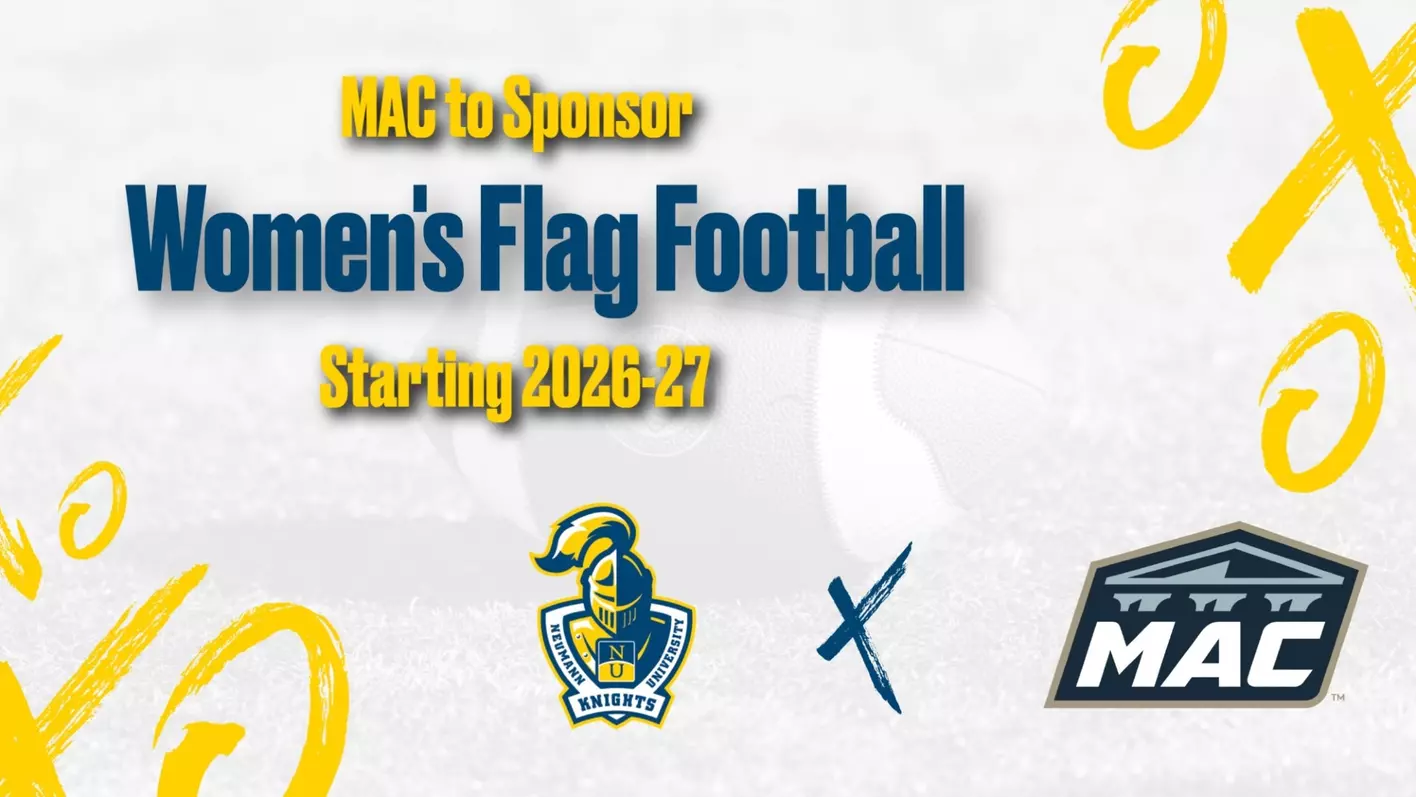
The Mid-American Conference note gives that expansion another layer. “MAC adds flag” is not just a line item in a newsletter, it is a signal that conference-level attention is starting to shape the sport’s future. Conferences do more than fill schedules, they create legitimacy, and the MAC’s entry suggests women’s flag football is moving farther from scattered experimentation and closer to standardized sport structures.

Coaching changes are becoming part of the normal news cycle
The newsletter’s coaching movement is another sign of maturity. New coaches, departures, and reassigned roles tend to matter most in emerging sports because they influence recruiting, practice culture, and whether a program can survive the first few years of growth. When coaching changes become routine enough to sit alongside new teams and club shifts in a weekly roundup, the sport is developing the kind of personnel churn that comes with real organizational depth.
That matters because women’s college flag football is still building its competitive identity. A stable coaching hire can accelerate buy-in from athletes and administrators, while a change can force a reset in scheme, roster building, and scheduling. The newsletter’s inclusion of coaching changes shows that schools are no longer just testing the waters, they are starting to manage the sport like a program that needs continuity.
Hardin-Simmons, locker rooms, and the infrastructure behind the games
Hardin-Simmons building a flag locker room may sound like a small detail, but it is exactly the kind of detail that reveals where a sport is headed. Locker rooms are permanent spaces, and permanent spaces are how schools signal that a team is not temporary or symbolic. A facility investment of that kind puts women’s flag football in the same category as other varsity programs that need daily training space, gear storage, and a home base.
That infrastructure lens also helps explain why the newsletter pairs college growth with other ecosystem pieces like the Olympic Q-Series schedule, TMRW and Pro Flag League venues, and WFS athletes. Those items extend the story beyond one campus or one association. They show a sport that is trying to connect its college pipeline to elite competition, event staging, and athlete visibility at the same time.
The NCAA path now looks real, not theoretical
The biggest national milestone in the background is the NCAA’s June 26, 2026 vote adding flag football to the Emerging Sports for Women program. That move gives the sport a formal route toward championship status through the NCAA’s emerging sports pathway, and the next step is direct: if legislation is approved by all three divisions in January, the first NCAA championship could be held in spring 2028.
That timeline gives the weekly college churn a much larger meaning. Four new programs, two club changes, and conference movement now sit inside a system that has an actual championship pathway attached to it. For schools considering whether to add the sport, the message is stronger than it was even a year ago: there is now a visible road from startup status to national title possibility.
NAIA support is already built into the sport’s backbone
The NAIA has been equally important in turning women’s flag football from a developing option into a recognized sport with real infrastructure. The association’s women’s flag football page already lists scores, stats, polls, championships, awards, and Coaches Corner resources, which gives programs the kind of weekly scaffolding most newer sports spend years trying to build. That kind of content ecosystem helps teams measure themselves, recruit, and stay connected across campuses.
NAIA coverage also describes women’s flag football as the association’s 30th championship sport, a landmark that matters because it places the game inside a full championship framework rather than a pilot or showcase model. That status helps explain why the newsletter can track new collegiate programs and club changes with confidence: the sport is no longer waiting for legitimacy, it is accumulating it through repeated institutional commitments.
Recent program moves show how fast the map is changing
The broader map is shifting school by school. Menlo College announced on March 5, 2026 that it would add women’s flag football as its 15th varsity sport beginning in the 2026-2027 academic year, a move that tells you how quickly some campuses are moving from interest to full varsity designation. At the conference level, the American Southwest Conference announced plans on August 1, 2025 to add flag football as a sponsored sport, which brings another layer of scheduling, competition, and administrative support.
Put together, those moves echo the newsletter’s weekly pulse. Four new teams, two club changes, MAC expansion, a Hardin-Simmons locker room, and NCAA and NAIA pathway updates all point in the same direction. Women’s college flag football is no longer just growing, it is building the machinery that makes growth durable.
Sources
- [1]collegiateflagfootball.com
- [2]x.com
- [3]ncaa.org
- [4]naia.org
- [5]menloathletics.com
- [6]ascsports.org
- [7]wecoachsports.org