Women’s flag football found its first central organization in 1995

Women’s flag football did not begin with a single governing body, a clean paper trail, or a neatly preserved record of its earliest stars. The International Women’s Flag Football Association history page, written by founder and president Diane Beruldsen, marks 1995 as the sport’s first true organizing break, when the National Women’s Flag Football Association became its first central force. That moment matters because it changed women’s flag football from a network of local efforts into a sport that could standardize competition, connect regions, and keep its own history.
The 1995 turning point
Before 1995, women’s flag football was built through scattered local leagues, informal tournaments, and regional organizers who often worked without a national umbrella. Beruldsen’s account makes the structural problem plain: it is difficult to measure and detail the sport’s early history because there had never been a central organization to collect results, preserve schedules, or document the people who shaped the game. The NWFFA’s arrival gave the women’s game its first recognized organizing center, and that is why 1995 stands out as a pivot point rather than just another year on a timeline.
That shift changed more than administration. Once a sport has a central body, it can create continuity between cities, seasons, and generations of players, and it can begin to define what counts as official competition. For women’s flag football, that move toward structure is the difference between isolated growth and an actual sporting ecosystem.
Why the early record is hard to trace
The history gap is part of the story. When leagues and tournaments are scattered, their records often stay local, incomplete, or personal rather than public. In women’s flag football, that means some of the earliest players, games, and regional battles are difficult to reconstruct today, even though they clearly existed and helped build the sport.
That missing archive matters because public memory often rewards sports that were documented from the start. When a men’s league, a pro circuit, or a national federation keeps records early, the pioneers remain visible. Women’s flag football did not get that kind of preservation until the NWFFA brought a central organizing structure into place, and the result is a history that must be pieced together from fragments instead of followed through a single official file.
What central organization changed
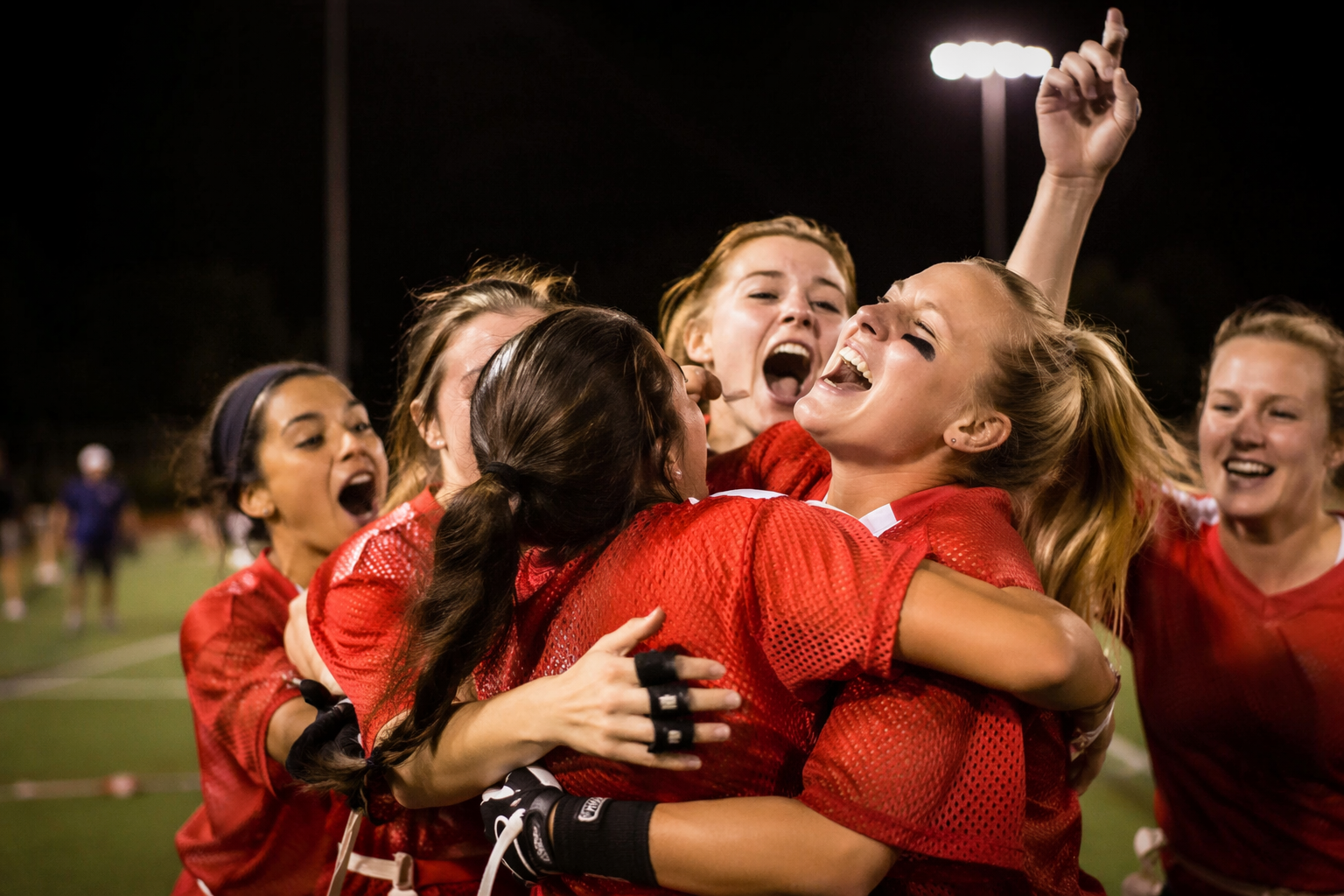
The arrival of the NWFFA helped women’s flag football move from informal competition into a more legible sport. A central organization can align rules, schedule tournaments, establish rankings, and make it easier for players from different places to measure themselves against one another. That kind of structure does not just help competition, it helps legitimacy.
Diane Beruldsen’s role is important here because the IWFFA history page comes from someone who was helping shape the sport from the inside. Her framing identifies the organizational milestone, not just the game itself, as the turning point that made women’s flag football easier to grow and easier to remember. Once the sport had that foundation, future generations could build on a recognizable framework instead of reinventing the wheel in each city or region.
From overlooked history to mainstream growth
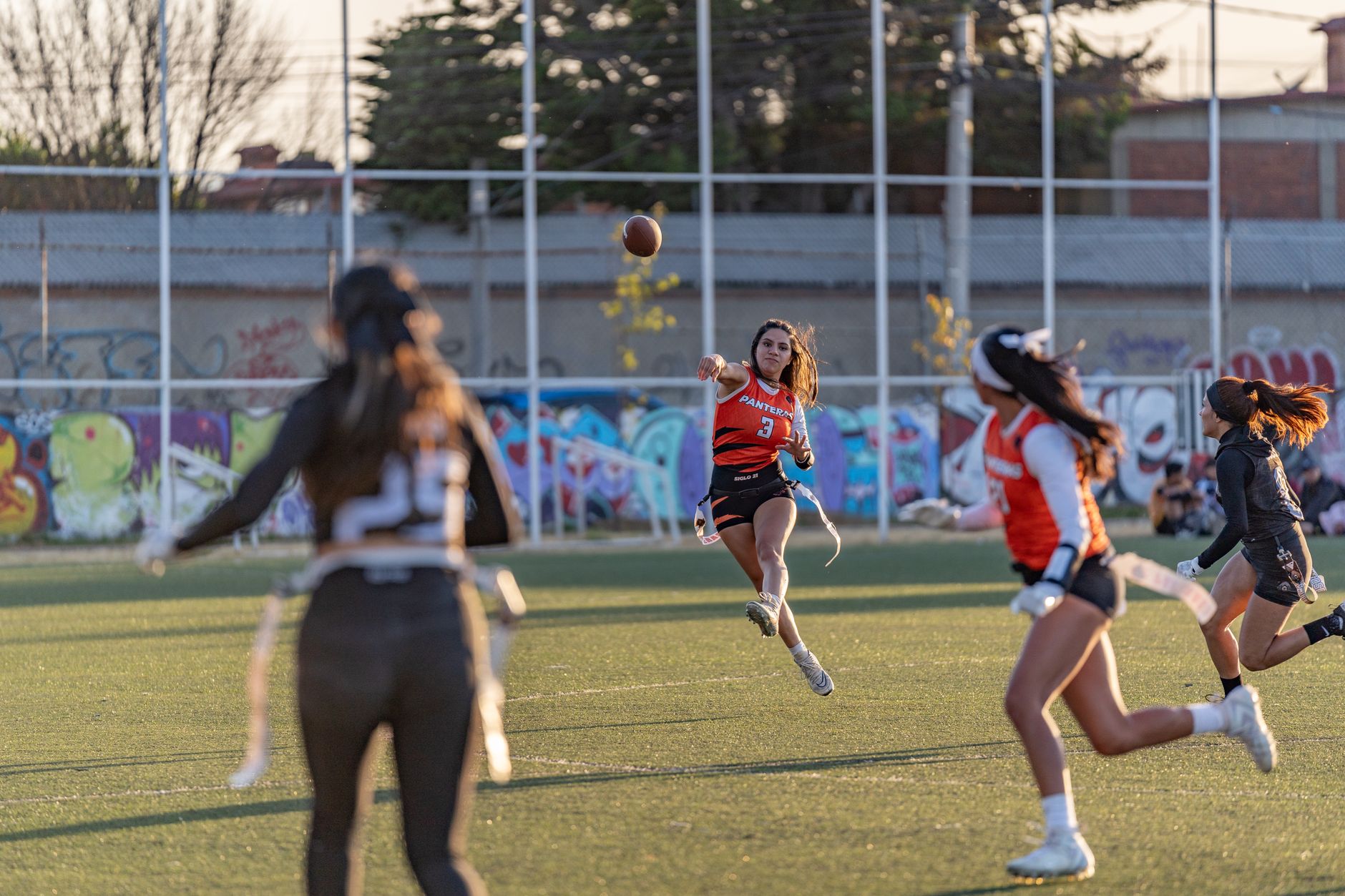
The current boom in flag football did not appear out of nowhere. Women’s flag football had already been developing through local and regional play long before the sport became a broader institutional story, and that earlier work is what gives today’s rise context. The National Federation of State High School Associations has described flag football as expanding nationwide as the next emerging high school sport for girls, which places the women’s game inside a much larger youth-sports surge.
That growth is happening at the same time the overall high school sports picture is setting records. The NFHS High School Athletics Participation Survey counted 8,260,891 participants in high school sports in 2024-25, an all-time high. In that environment, girls’ flag football is not a side note. It is one of the clearest examples of how a new sport can move from the margins into school gyms, practice fields, and state-level competition.
The Olympic push gives the sport another layer
The sport’s institutional rise widened when the International Olympic Committee approved flag football for the 2028 Olympic program on October 16, 2023. Coverage from Olympic and NFL channels has described the sport’s Olympic debut as coming in Los Angeles in 2028, which gives the game a new global platform and a direct line to younger athletes watching the sport scale up.
That matters for women’s flag football because the Olympic spotlight can accelerate everything from youth participation to coaching pipelines to media visibility. A sport that once depended on scattered local efforts now has a path into one of the biggest stages in global athletics. The contrast is stark: the early game lacked a central archive, while the next era will unfold under the bright scrutiny of Olympic branding, national federations, and school-sport growth.
What gets lost when pioneers are poorly preserved
A thin record is not just a historian’s problem. It affects who gets credited, how the sport’s identity is told, and which players younger athletes are able to see as their predecessors. When the early era is hard to document, the public story often starts later than it should, and the people who built the foundation can disappear from view.
That is why the IWFFA’s history page carries so much weight. By naming the NWFFA as the first central organizing force and by pinpointing 1995 as the sport’s organizational turning point, it helps restore structure to a past that could otherwise blur together. For women’s flag football, the missing archive is part of the legacy, and the sport’s modern rise makes that gap more important, not less.
Sources
- [1]iwffa.com
- [2]nfhs.org
- [3]packers.com
- [4]nfl.com
- [5]la28.org