World Kickball Association highlights adult kickball as social, competitive sport
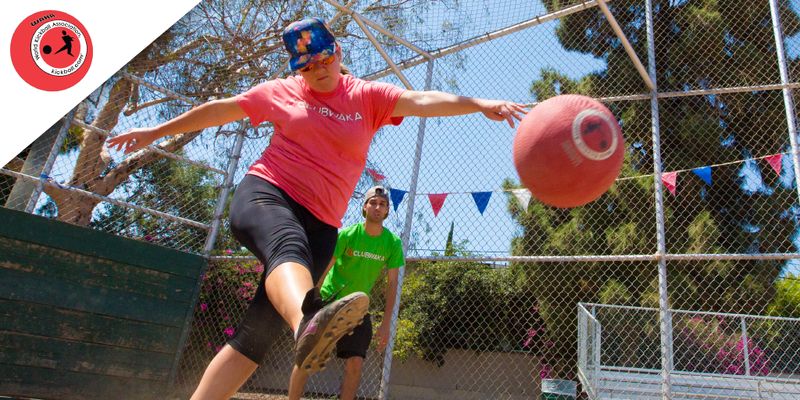
Adult kickball keeps growing because it solves three problems at once. It is easy to learn, easy to join, and organized enough to keep score in a way that feels real. The World Kickball Association has built its adult game around that mix, turning a childhood pastime into a coed league product with rules, teams, after-parties, and a national footprint.
The pitch: low barrier, built-in community, real competition
The WKA describes adult kickball as an international pastime that blends social connection, fun, and competition while staying accessible to a wide range of players. That formula is the foundation of the sport’s appeal: people can walk in with little or no experience and still understand the game quickly, but the league structure gives returning players something to sharpen over time.
That middle ground matters. Adult kickball works because it is not trying to become softball, and it is not just a bar activity with a ball. The WKA’s own language ties the game to friendship-building and stress relief, which helps explain why it fits office leagues, neighborhood groups, and social sports programs. The sport attracts people who want an athletic outlet without a high entry cost in skill, gear, or intimidation.
How the league model lowers the barrier
The WKA says it was started in 1998 and calls itself the official governing body of kickball, with official rules and regulations for adults and kids. That matters because the sport’s growth has not come from free-form pickup play alone. It has been packaged into a league format that gives new players a clear on-ramp and gives organizers a standard way to run seasons.
ClubWAKA is central to that setup. The WKA says ClubWAKA is the official adult kickball league in the United States, and its FAQ directs adults to the ClubWAKA league site for social adult leagues. ClubWAKA also says players can sign up as free agents, with small groups, or as full teams. That flexibility is a big part of the draw, since it lets a newcomer join solo while still giving established groups a way to enter together.
Why the social side is not an afterthought
ClubWAKA markets adult kickball as a 21+ coed social-sports offering, and it pairs games with after-parties and post-game events. That is not a side benefit tacked onto the schedule. It is the product. The structure tells you who the leagues are built for: adults who want a regular game night but also want the social layer that usually comes with bars, clubs, or networking events.
The WKA homepage underscores that point by stressing that the social aspects of adult leagues create a chance to make new friends. In practice, that means the sport appeals to people moving to a new city, coworkers trying to build a team identity, and groups that want a recurring outing instead of a one-off event. Adult kickball’s social value is strongest when it sits right beside the competition, not when it replaces it.
The competitive layer keeps players engaged
The sport’s staying power depends on the fact that it still feels like a league, not just a theme night. The WKA’s champions page includes a dated entry from July 30, 1998, which shows that organized competition was being tracked from the association’s earliest days. That kind of recordkeeping matters in a sport that could otherwise be dismissed as novelty.

The point is not that adult kickball is elite-level competition. It is that the format gives players enough structure to care about outcomes, standings, and improvement. A league can be social and still reward sharper throws, smarter baserunning, and cleaner team coordination. That balance is exactly what keeps returning players invested after the first season.
Who this model attracts
The adults showing up for kickball are not all looking for the same thing. Some want exercise without the barrier of a demanding skill set. Some want a weekly social calendar. Others want competition that feels serious without requiring years of training. The league model is built to catch all three groups, which is why it fits so many settings at once.
ClubWAKA says it operates in multiple U.S. cities, including Boston, Dallas, Las Vegas, Miami, New York, and Phoenix. A secondary source has also described WAKA as operating leagues in more than 35 states and in countries including India. That spread suggests the same basic product travels well: coed, low-barrier, social first, but still organized enough to be recognizable from one market to the next.
A brand built beyond the field
The association’s reach is not limited to weekend play. A ClubWAKA press release says a kickball tournament with the Los Angeles Rams raised more than $25,000 for Merging Vets & Players, a nonprofit focused on veteran transition. That kind of event shows how the sport can function as a platform for charity, sponsorship, and brand activation, not just local recreation.
That crossover helps explain why kickball has remained durable in adult sports culture. It can serve as an entry-level league, a company outing, a citywide social scene, or a fundraising vehicle without losing the core appeal of a simple game. The Rams partnership makes clear that the format can be scaled up when a brand wants something friendly, accessible, and easy to stage.
Why the formula lasts
Adult kickball keeps expanding because its selling points reinforce one another. The low barrier brings in first-timers. The social structure keeps them coming back. The competition gives the league a reason to continue past the first round of novelty.
That is the sport’s modern identity in plain terms. It is nostalgic without being stuck in the past, organized without feeling rigid, and social without giving up the idea that the final score still matters.
Sources
- [1]kickball.com
- [2]clubwaka.com
- [3]en.wikipedia.org