World Padel Championships shaped the sport’s global identity
The World Padel Championships gave padel something club circuits never could: flags, national anthems and a recurring measure of who was truly catching up. From the first final in Madrid and Seville in 1992 to the 17th edition in Doha, the event became the sport’s clearest proof that padel had outgrown its original strongholds.
From Madrid to a world stage
The International Padel Federation was founded in Madrid on 12 July 1991 by the Argentine, Spanish and Uruguayan associations, and it immediately set the World Padel Championships as a biennial event. That decision matters because it created a world title with rhythm and consequence, not a one-off exhibition that could be forgotten between seasons. The first championship ran from 21 to 27 September 1992, with matches split between Club de Golf La Moraleja in Madrid and Seville’s former Expo site, now the La Cartuja rowing venue.
That opening edition was staged in Spain at a moment when the country was already carrying major sporting visibility, with Barcelona’s Olympic Games and the Seville Expo pulling attention toward Spanish sport and infrastructure. Padel did not merely arrive at the party. It was presented inside a bigger national sports conversation, and the championship gave the game a public face beyond its local clubs.
Why the national-team format changed everything
Padel had spread through clubs, private courts and regional circuits long before it had a shared global identity. The world championship changed the logic of the sport because it put countries into direct competition and made every edition a snapshot of international strength. Instead of asking who had the best local tour, fans could ask which nation had the deepest bench, the strongest pairings and the clearest development pathway.
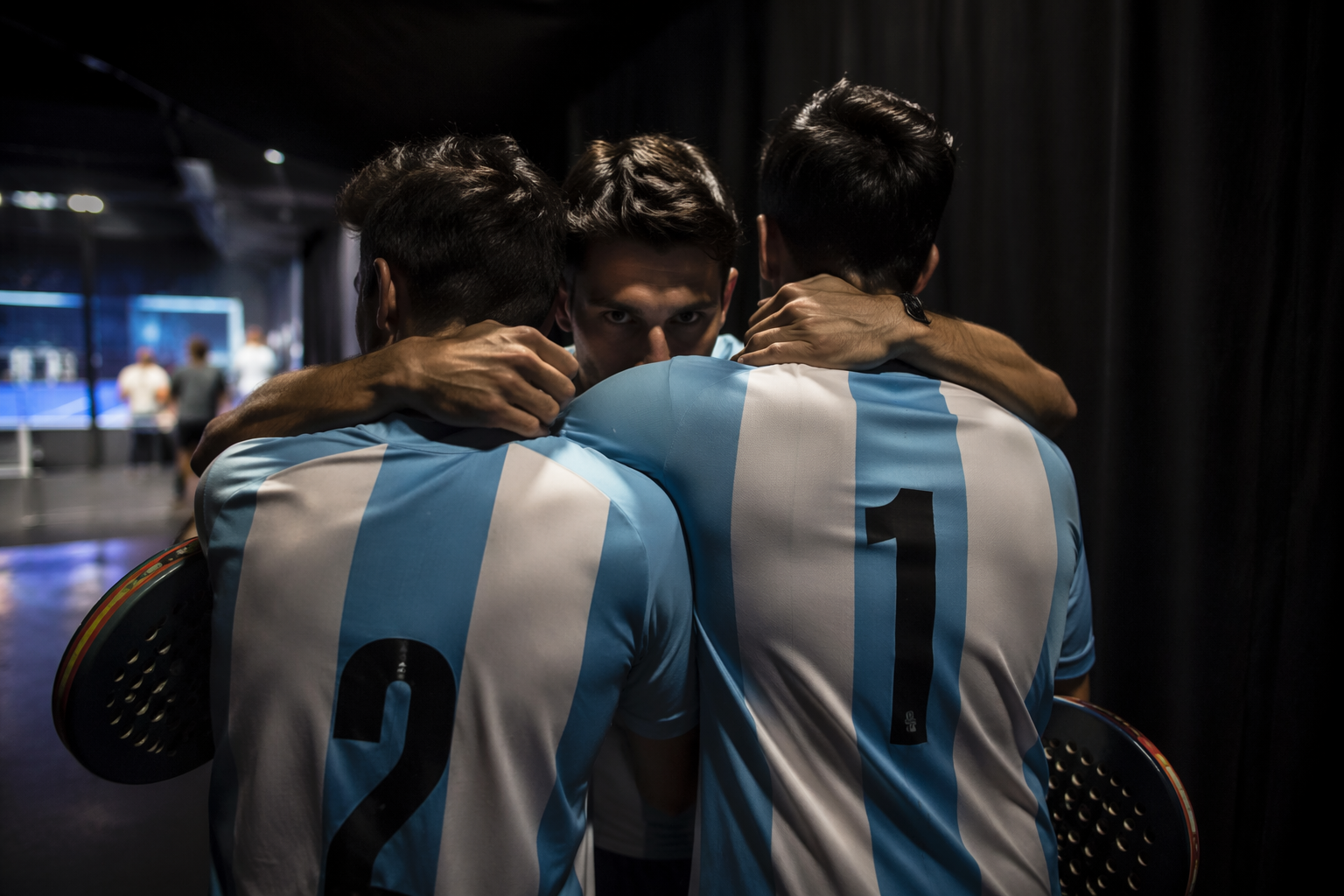
That is why the roll of honour matters so much. After Spain hosted the first edition, the event moved through Argentina, France, Mexico, Canada, Portugal, Paraguay, Qatar and the United Arab Emirates. Each host city marked a step in the sport’s geography, showing that padel was no longer limited to its original centers. The list of hosts also tells the story of how the championship traveled from the Iberian base to the Americas, then into the Middle East and beyond.
Spain and Argentina set the standard
The championship’s competitive identity has long been shaped by Spain and Argentina. Those two countries dominate the roll of honour across both the men’s and women’s events, and that dominance gave the world championship its first great sporting rivalry. As other nations such as Brazil, Uruguay, Paraguay, France and Italy entered the frame, the event stopped being a bilateral showcase and became a real test of how wide the game had spread.
The names attached to that era show how the title became part of padel’s sporting canon. On the women’s side, Cecilia Baccigalupo, Virginia Mazzuchi, Adriana Costagliola, Iciar Montes and Carolina Navarro became part of the championship’s early memory. On the men’s side, Alejandro Lasaigues and Roberto Gattiker stand among the figures that helped define the tournament’s prestige. The World Padel Championships did not just crown teams; it created a reference list of players who carried the sport’s credibility from one generation to the next.
The rules had to catch up too
A world championship only works when the sport under it is defined clearly enough to travel. During the 1990s, FIP notes that padel rules still varied by country, which meant the game was not yet fully standardized. In 1997, Spain and Argentina agreed in Barcelona to unify regulations and standardize the name “padel,” a step that helped the championship function as a genuine global benchmark rather than a patchwork of local variations.
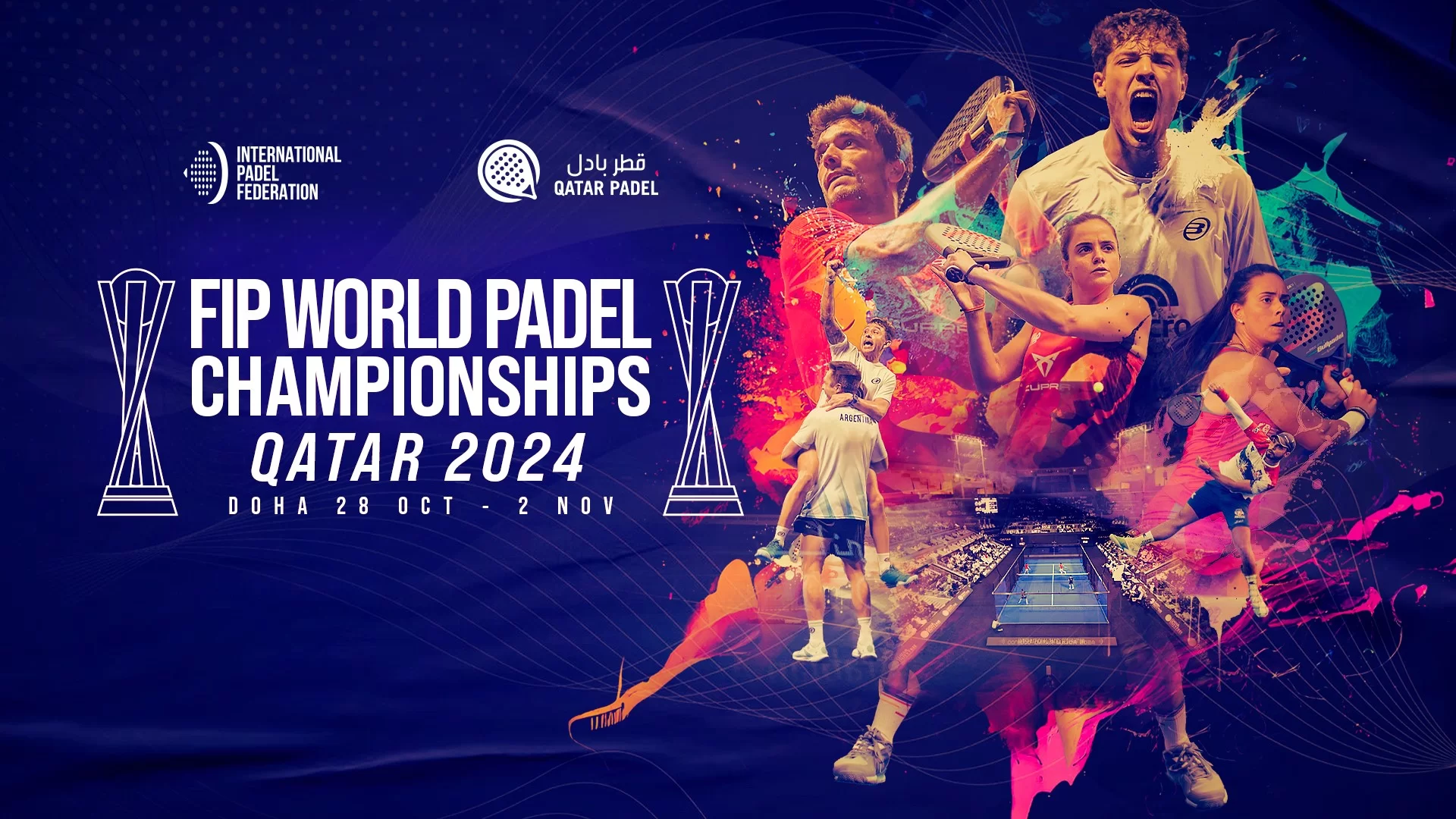
That standardization changed the value of every national team meeting. Once the rules became shared, the results in the World Padel Championships meant more, because a win in Madrid, Doha or Buenos Aires reflected the same game. The event could then do the work of legitimation, making padel easier to compare, easier to rank and easier to sell as an international sport.
A benchmark before the ranking era took over
Before the professional ranking era fully matured, FIP says the world championships and the major circuits and tournaments in Spain and Argentina were central to determining the top players. That detail explains why the championship was not just symbolic in padel’s early years. It was part of the competitive machinery itself, helping define who belonged at the top when the sport’s structure was still taking shape.
That legacy still matters because the championship offers a way to separate real national progress from simple participation. A country can build clubs and grow participation numbers without yet threatening the sport’s traditional powers. The World Padel Championships show when that growth starts to translate into team depth, pair quality and consistency against Spain and Argentina.
Doha showed how broad the map had become
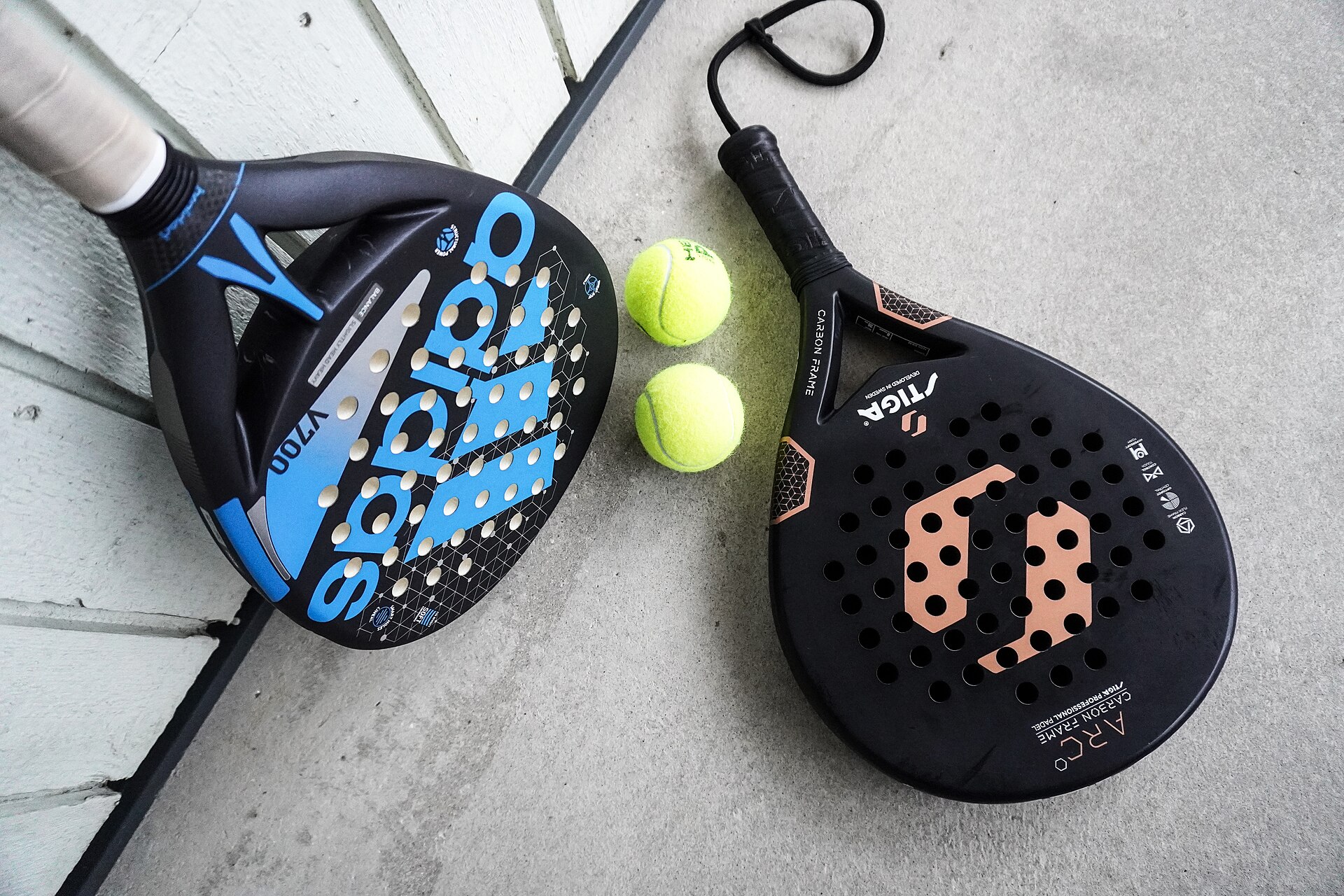
The 2024 World Padel Championships in Doha were the 17th edition of the competition and featured 32 national teams. That scale is a far cry from a regional showcase. It shows how the championship has become the sport’s annual, or in this case biennial, audit of global competitiveness.
The 2021 edition also showed the format’s reach, with 16 men’s teams and 16 women’s teams from 19 countries competing. For the 2024 event, qualification was split between ranking places and regional qualification tournaments, which is important because it gives rising nations a pathway into the main draw rather than leaving entry to history alone. The tournament no longer only reflects the established order. It also identifies who is pushing through from the next tier.
Why it still defines padel’s global identity
The World Padel Championships remain the cleanest way to measure the sport’s international standing because they combine history, geography and competition in one event. The list of hosts, from Madrid and Seville to Doha, maps padel’s expansion more clearly than any club calendar can. The rivalry between Spain and Argentina still sets the tone, but the appearance of new nations is what tells the bigger story.
That is why this championship still matters. It marks the point where local padel becomes national padel, and national padel becomes global competition. In a sport built on rapid expansion, the World Padel Championships remain the clearest test of whether a country is truly catching up to the powers that defined the game first.