World Wiffle Ball Championship turns backyard game into serious sport
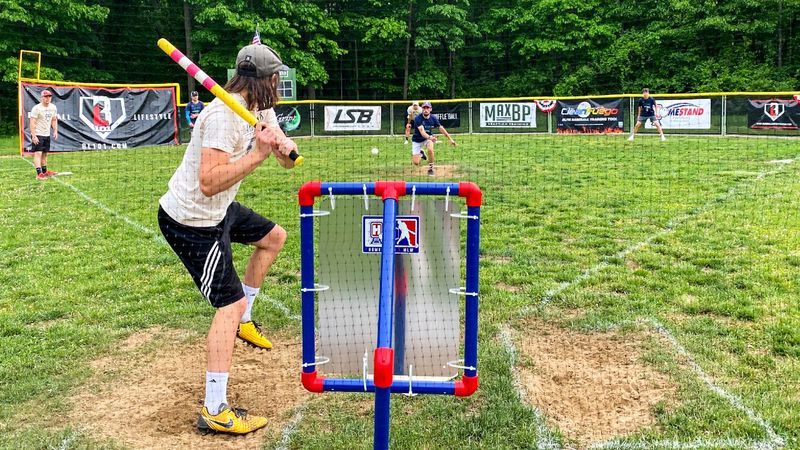
The World Wiffle Ball Championship shows how a backyard staple can harden into a real sport without shedding its homemade soul. In fast-pitch Wiffle Ball, the ball is the entire argument: a two-thirds-of-an-ounce cylinder of possibility that turns wind, grip, and seam wear into game-defining variables. What looks like a casual summer pastime now runs on the same kinds of tradeoffs that shape pitch design in pro baseball, only with a lighter tool and far less margin for error.
Why the ball matters first
The original Wiffle ball was built to be light, perforated, and easy to make break, with eight oblong holes on one half and that tiny two-thirds-of-an-ounce weight. That design is why the sport’s competitive branch feels so different from standard baseball: the pitch does not just travel, it reacts. Movement is not a bonus feature in Wiffle Ball; it is the sport’s central language, and every serious player has to learn how to speak it.
That is also why fast-pitch Wiffle Ball has such a distinct tactical feel. The Ringer’s look at the World Wiffle Ball Championship describes adults treating wind, field conditions, and pitch movement as major variables rather than background noise. In other words, the game rewards players who can read the air as well as the strike zone, because a pitch that looks sharp in one direction can flatten, dive, or sail in another depending on the conditions.
Ball prep as competitive edge
The sport’s most revealing detail is how much attention goes into the ball before the first pitch. In the Texas Wiffle Ball League rulebook, the ball may be “scuffed, sanded, or knifed,” a sentence that captures the sport’s entire push-pull between tinkering and restraint. That is not cosmetic work. It is the difference between a pitch that stays honest and one that suddenly picks up late life, sharp tilt, or an unpredictable finish.
The same rulebook makes clear where preparation crosses the line. A ball becomes illegal if foreign substances are added or if it has a crack longer than a quarter inch. That boundary matters because the sport depends on controlled movement, not chaos. The best ball prep tunes the pitch; it does not turn the game into random noise.
Oversized bats are part of that same equipment culture. The Texas rulebook allows models such as Moonshots and Whatabats as long as the barrel stays within reason, which shows how competitive Wiffle Ball keeps one eye on feel and another on fairness. The game gives players room to customize, but the custom gear still has to preserve the basic balance between pitcher and hitter. That balance is what keeps ball prep from becoming a gimmick and turns it into a skill.
How prep changes the pitch
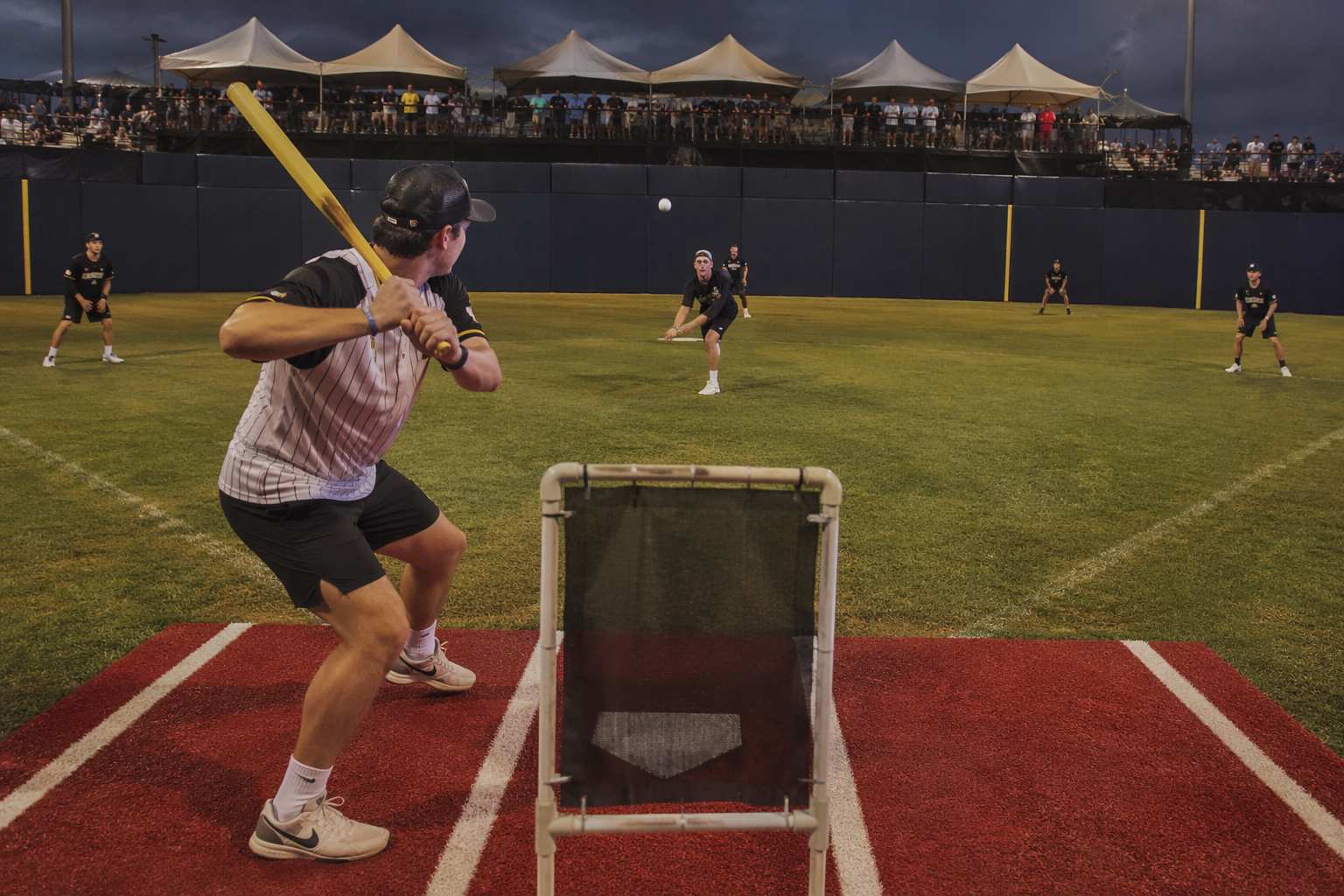
A scuffed or sanded ball can change how the air flows over its surface, which is exactly why players chase those alterations in the first place. A rougher finish can help a pitcher get more movement, while a cleaner ball may be easier to command but less deceptive. The strategic question is not just how to make the pitch break, but how much break a pitcher can control without losing the zone.
That tension sits at the heart of serious Wiffle Ball. The best pitchers are not merely trying to throw hard; they are trying to tune a deliberately odd piece of equipment until it becomes a controlled weapon. Hitters, in turn, have to react to movement that can be exaggerated by a scuffed surface, a changed grip, or even a shift in wind across the field. The result is a game where the ball’s condition can matter as much as the arm throwing it.
From summer pastime to organized competition
United Wiffleball gave that homemade culture a larger frame in 2020, when it was formed to continue the fast-pitch national championship tradition and promote year-round play. Its first two years already showed the scale of the appetite: the 2020 and 2021 events drew 40-plus teams and 200-plus players from 25-plus states. That is no small gathering for a sport that still carries the look and feel of something invented in a driveway.
The growth kept widening. In 2022, the organization expanded into a World Championship with a team from Japan and added a partnership with MLW for a 17U National Championship. Those details matter because they show the sport moving from isolated local scenes into a more standardized competitive network, where rules, tournaments, and age-group pathways all orbit the same central question: how much movement should the ball be allowed to have, and how should players be allowed to create it?
Why the homemade feel still wins
What makes Wiffle Ball compelling is that it never fully escapes its backyard origins. Even at the championship level, the sport still prizes the same improvisational instincts that made it popular in the first place: a ball altered by hand, a bat chosen for feel, a wind pattern read like a scouting report. The official rules do not erase that creativity; they channel it.
That is the deeper story behind the World Wiffle Ball Championship and the broader fast-pitch scene. The sport has become more organized, more national, and more competitive, but its most important innovations still happen through small adjustments to a plastic ball that was always meant to move. In Wiffle Ball, equipment science is not a sideshow. It is the game.