20 Challenges Facing Pro Sports Leagues As They Attempt To Return
The sports world is in a strange state of flux right now. Most major global sports leagues are on hiatus because of the current global health crisis. We already examined how the biggest leagues responded to the crisis. Of course, they want to get back up and running as soon as possible, but the reality is that there are a lot of challenges to overcome before that’s possible.
Only a couple of significant sports leagues are in operation right now. The UFC held three events in Jacksonville, Florida, over the course of one week but has faced a lot of criticism. Meanwhile, the German Bundesliga soccer league is back. Other sports are watching these leagues closely to learn from what they get right and wrong. So today, we’re going to take a look at 20 challenges professional sports leagues face as they attempt to return to some degree of normal operations. Check out the list below.
20. Asterisk
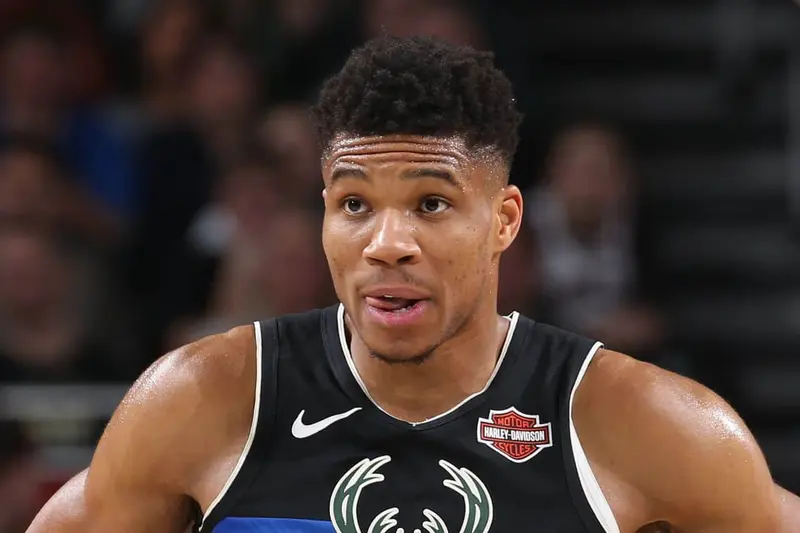
One of the big issues for teams in championship contention is that their title wins may come with an asterisk. Some people are saying that the stay-at-home period has lasted as long as an offseason. For incredibly dominant squads like the Milwaukee Bucks and Liverpool in the Premier League, this will be frustrating.
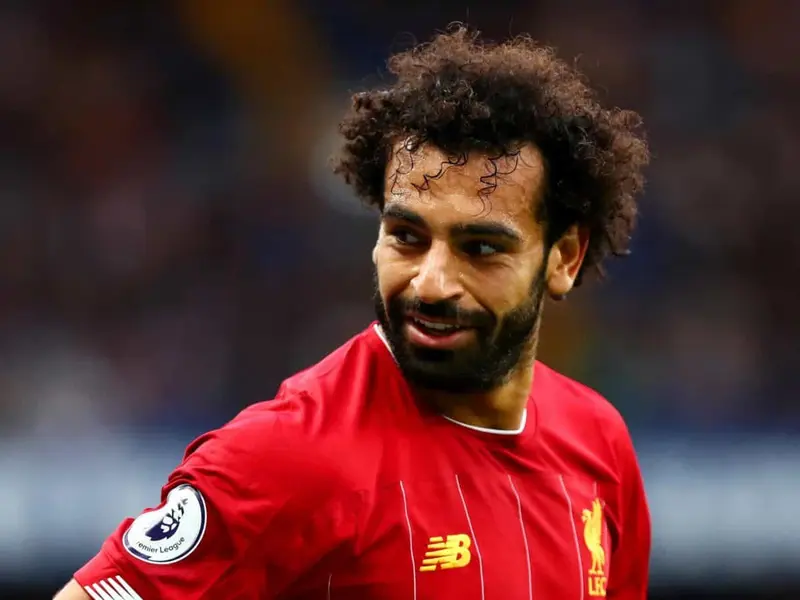
Indeed, some leagues have already canceled their seasons. But can you really call yourself a champion if you haven’t played an entire season? If you support that team then, of course, you will say yes. However, if you’re a fan of a rival squad, you’ll obviously disagree.
19. No Return
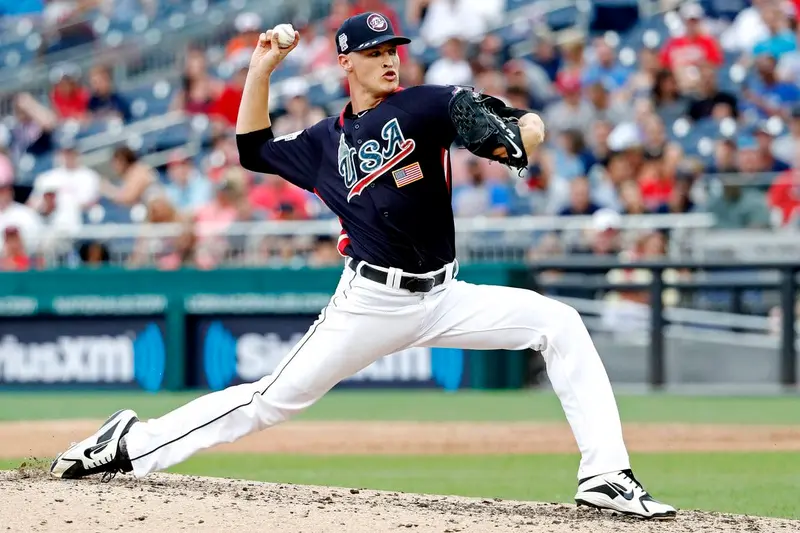
For many minor sports leagues, playing behind closed doors is just not an option. If we talk about baseball and lower-division soccer leagues, they rely heavily on crowd attendance to make profit. To sum up, when you add up all of the costs, it’s just not profitable for these teams to play.
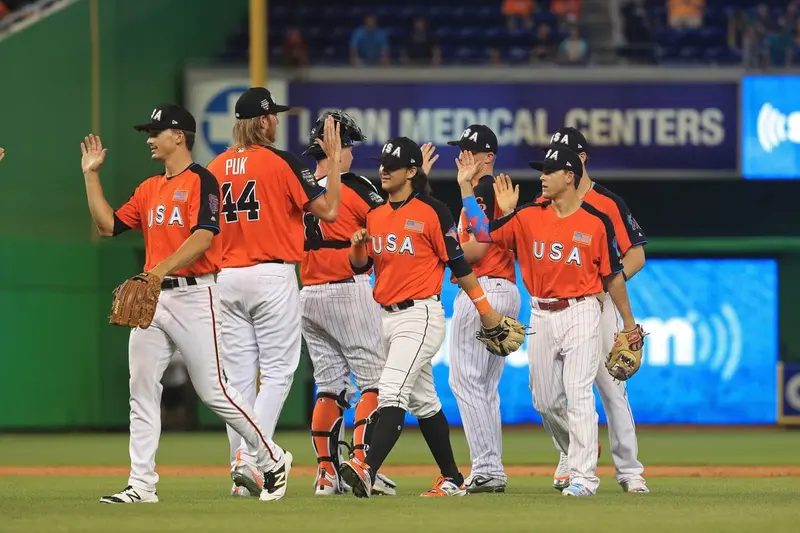
While they’d like to restart playing games, it’s just not viable with the current health crisis. The worry is that many of these teams will go out of business before the opportunity to return is viable. Just like many private businesses, we could also lose many sports teams.

18. Human Error
Players are humans too. Someone is going to do something stupid. We’ve already seen Rudy Gobert touching microphones just days before he tested positive. With all of the regulations sports leagues bring in, it’s inevitable somebody makes a mistake.

Bundesliga organizers told German soccer players not to spit and to bump elbows instead of high-fiving. This is easier to say than to enforce. How long before someone just follows their natural instinct? When more sports leagues return, this will get even more complex.
17. Media Deals
This is absolutely massive for all major sports leagues because they have commitments to TV networks. These are worth millions of dollars which have to be repaid if they don’t fulfill their requirements. In sum, this is the main reason why the world’s biggest sports leagues want to return.
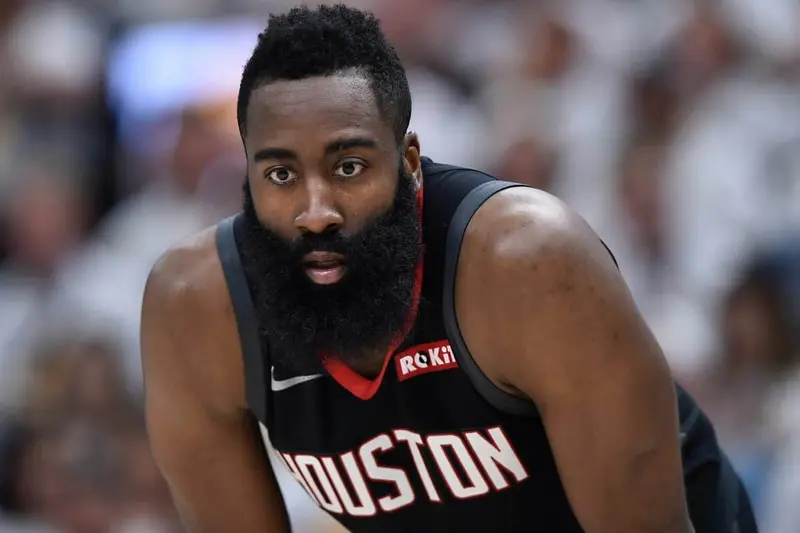
Just how much is at stake, you ask? The NBA’s current TV deal is worth $24 billion over nine years. The English Premier League agreed on a new contract with broadcasters last year equivalent to $12 billion over three years. Major League Baseball has a seven-year media arrangement worth over $5 billion. In sum, a lot.
16. Team Spirit
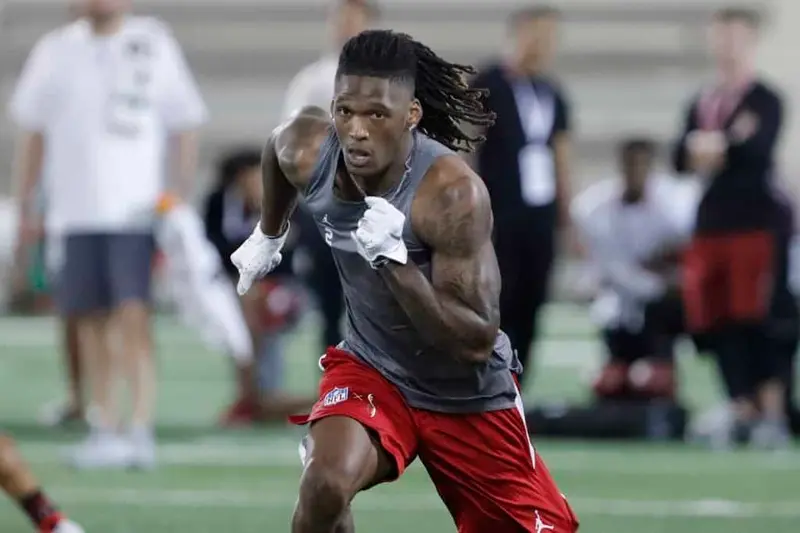
Newly-drafted NFL players and free agents haven’t trained with their teams yet. Meeting a teammate on Zoom just isn’t the same as hanging out face-to-face. But that’s the reality for many athletes right now. However, there are worse side effects people aren’t talking about.
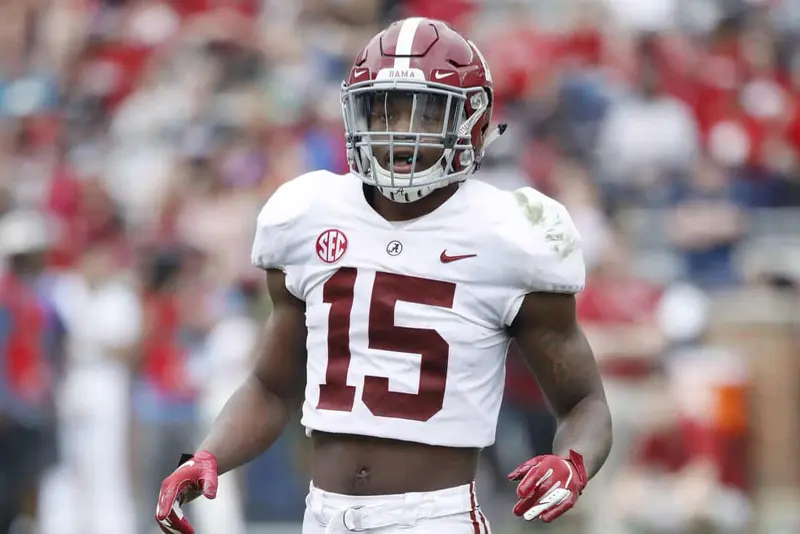
What effect will this stay-at-home period have on the mental health of different athletes? This is a long time to be alone. It’s easy to just think about the physical conditioning but there’s a mental side to sports too. Coaches and team owners need to keep this in mind.
15. Neutral Venues
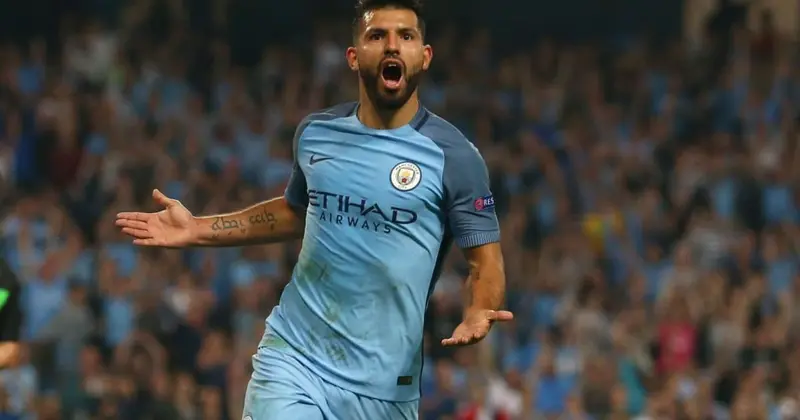
Deciding when to play games is just part of the problem. What about where? First of all, most leagues agree that they’ll have to hold behind-closed-doors events like the UFC and the German Bundesliga. But some leagues will take it another step further.
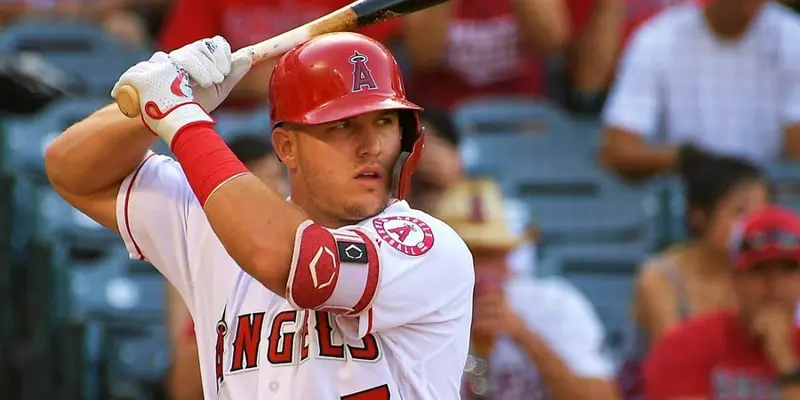
For example, the English Premier League is already discussing holding games at neutral venues so home fans won’t gather outside. Meanwhile, MLB is talking about holding all of their games in Arizona. In short, there is no perfect solution to this global problem.

14. Coaching Disruption
Getting players back to training isn’t as simple as you might think. First of all, it’s not just the players you have to think about. As LA Clippers coach Doc Rivers said, “if you have younger coaches then you have an advantage. Rivers is 58, so understandably he’s wary.
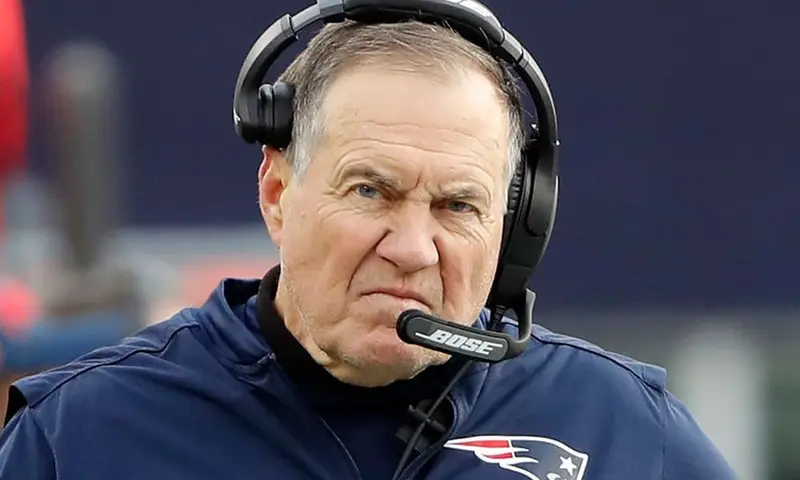
Many coaches are on the far side of 50 and some have underlying health conditions. You can do all the checks in the world but all it takes is for one mistake and then there’s a serious problem. Does this mean veteran coaches just have to stay away from the playing field?
13. Tight Calendar For Some Leagues
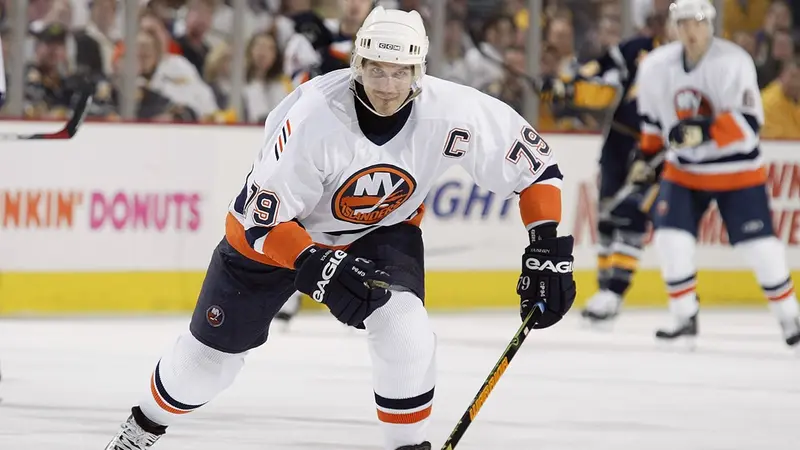
This is a major and pressing issue for sports leagues. The clock keeps ticking. As much as we’d like to wait until it’s safe to continue with NHL and NBA seasons, there will come a time where a decision has to be made. Several soccer leagues including the French, Dutch, and Belgian top divisions have already ended their seasons.
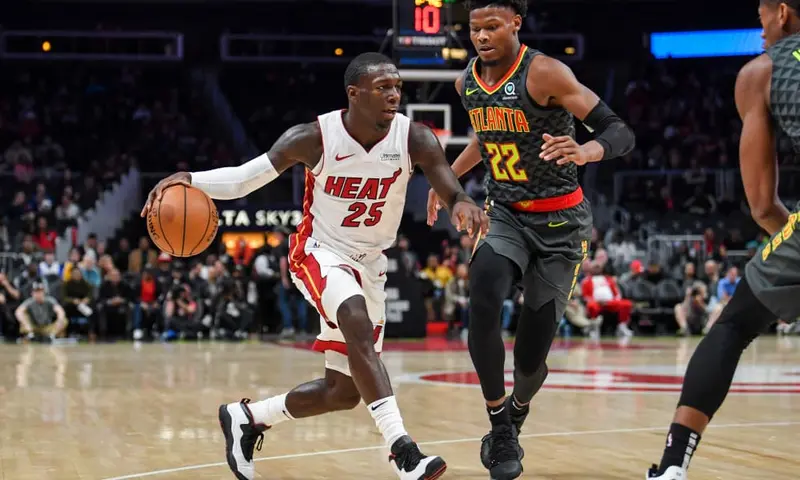
Obviously, this is not the result they want. First of all, they’ll have to decide who is the champion for that year – or do they just void the league? If there is a pyramid system, then what happens with relegations? Finally, the loss of media revenue would be astronomical.
12. Ethical Debate
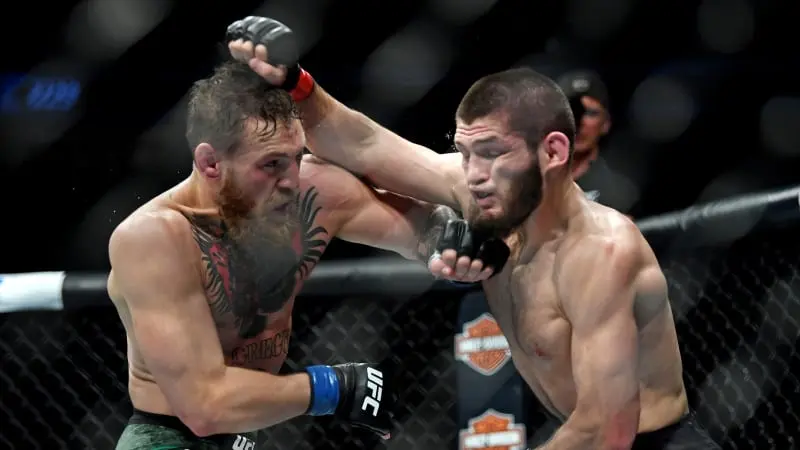
Combat sports like MMA and boxing face another debate that others don’t. Their athletes are actively trying to cause each other damage. However, the big question is whether or not it’s ethical to send people to hospital when they are under a time of great strain.
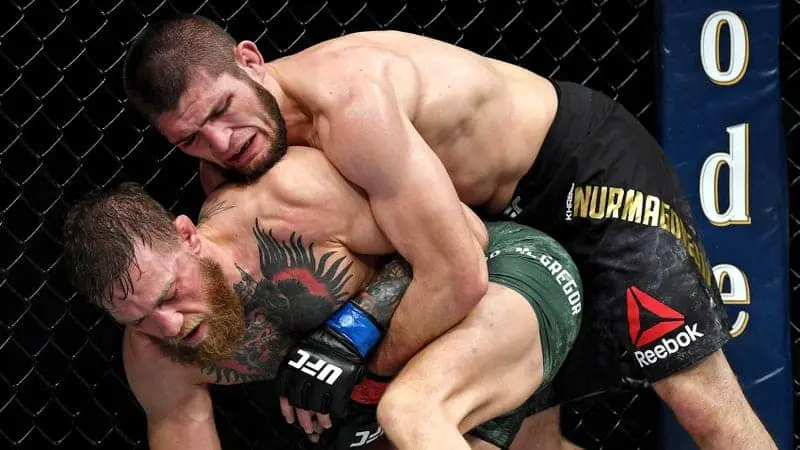
We’ve already seen several brutal finishes at UFC events. Meanwhile, Shakur Stevenson will headline an ESPN boxing event next month. Of course, these events are people’s livelihoods. Not just the athletes and promoters, but also everybody involved in the creation of them.
11. Trapped Athletes
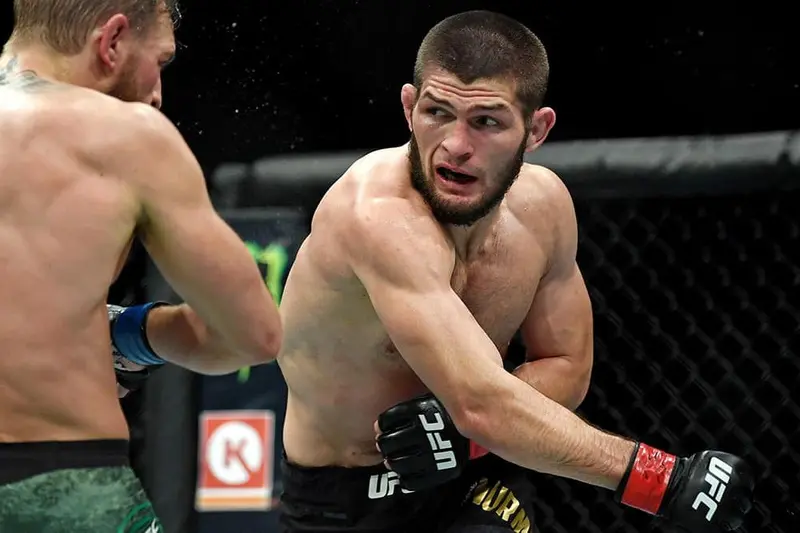
Another major issue is that not every country is in the same situation or following the same rules. This has led to many nations denying entry to foreign nationals. For example, UFC lightweight champion Khabib Nurmagamedov can’t leave Russia right now because of closed borders.
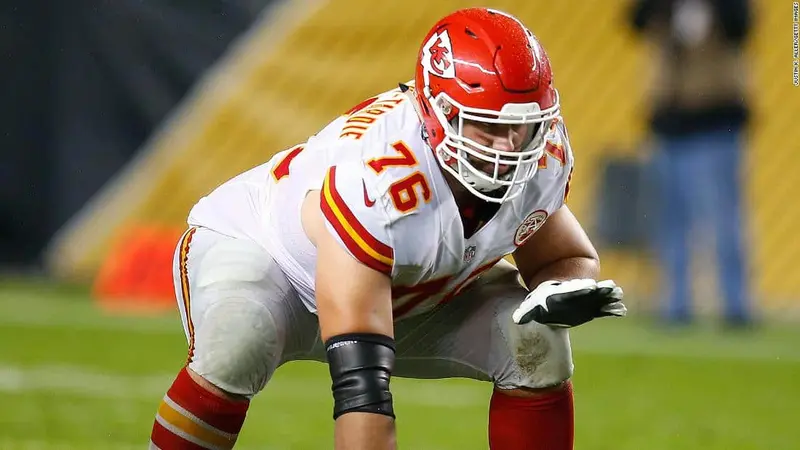
Another good example is the Kansas City Chiefs right guard Laurent Duvernay-Tardif. The Canadian is at home in his native Montreal and can’t get back into the United States. However, he’s a good man to have on your team right now because he’s a qualified medical doctor.

10. Unfit Players
A massive issue is player fitness. Sure, all elite athletes will be working out at home but it’s not the same as gameday fitness. First of all, if it’s a team game like basketball or football, the players have to get in sync. You can’t train that from your home gym; it’s impossible.

Furthermore, there’s an increased chance of athletes getting injured. This is why leagues have training camps so that their players are fully up to speed before they get back into the thick of it. It’s highly likely we’ll see an increase in muscle tears and ligament sprains/strains.
9. Health Risk
Don’t forget it’s not just athletes who attend sports events. Including the soccer teams, there were 300 people in Bundesliga stadiums on their first weekend back. The likes of camera crews, regular media, and stadium staff are also in attendance. This creates more possible problems.

In short, they all need testing. All it takes is for one person to contaminate everybody else. Suddenly, further chaos erupts. The truth is that you need a lot of people to pull off a live sports event. This is going to end with a zombie apocalypse, isn’t it?
8. Fan Experience
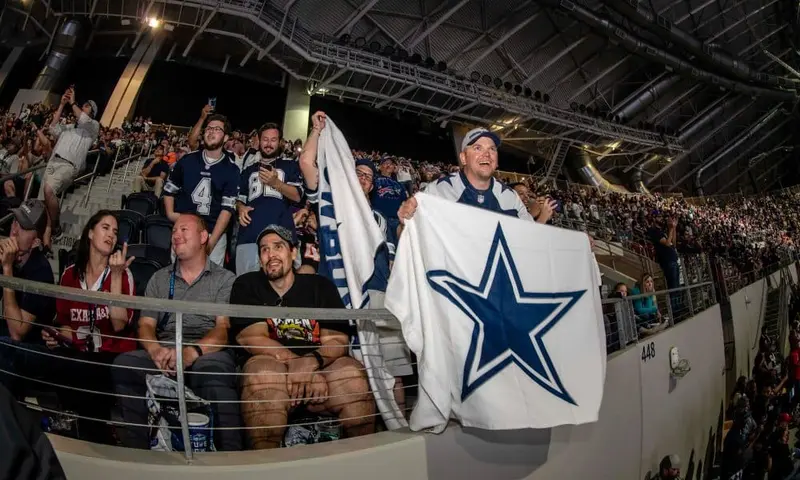
Another major headache for Pro Sports Leagues is creating an appealing fan experience. Without fans, you don’t have a profitable product. That’s why live attendances are so important. Fans become immersed and invested in their local teams, but is that possible if they’re at home?

The reality is, probably not. Also, will fans continue to fork out $75 for pay-per-view events from promotions like the UFC with the economy in great peril? In sum, they’re going to have to rethink how they get fans excited about live sports. It won’t be as easy as they think it may be.
7. Relapse Would Hurt All Leagues
In an ideal world, all of this would go away and we’d be back to normal tomorrow. However, that’s not the reality of the situation. Even if it is safe to return at some point in the near future, what happens if this crisis comes back? Until there’s a vaccination, nothing is certain.
To sum up, if it comes back before that point then does that mean everything shuts down again? This will definitely be at the backs of executives’ minds when they’re planning for their sports’ return. That’s why so many leagues want to finish their schedule this year.
6. Motivation
For MLB and NFL players, it’s different because their new seasons haven’t begun yet. However, NBA and soccer stars are in a totally different situation. The Premier League season stopped in April after teams played 75% of their games. NBA players are in a similar position with the regular season and playoff games still ahead.

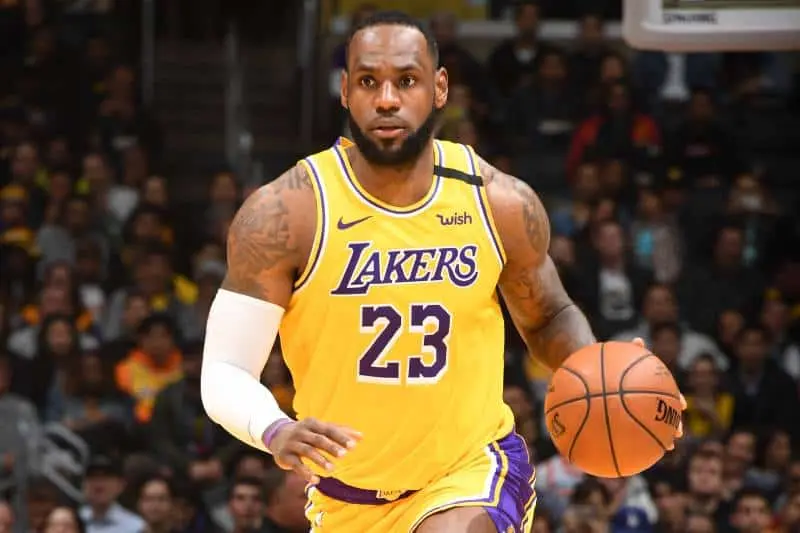
However, with return dates completely up in the air, how do players stay motivated? NBA superstar LeBron James insists players are ready whenever the call comes. But the truth is that it’s going to be difficult for players to come back, especially if their teams have nothing at stake.

5. State-By-State Differences
Each state in the US has its own individual policies for athletic competition. This does complicate the prospects of a return because they’re not all following the same playbook. For example, UFC heavyweight champion Stipe Miocic can’t train in his home state of Ohio, but the UFC has events ongoing in Jacksonville.

Meanwhile, the MLB is even talking about moving all of their franchises to Arizona and playing out the season there. This lack of cohesion could create issues in the future. Furthermore, it’s also become a partisan issue, which is frustrating for every sports fan.

4. Leagues With Empty Stadiums
One of the biggest challenges that leagues and sports have to contend with are empty stadiums. The lack of atmosphere totally changes the dynamic of a game. We’ve already seen this in the German Bundesliga. Meanwhile, there was controversy when FC Seoul of the Korean League filled their stadium with sex dolls.

However, the UFC has proven that it’s not all bad to have no audience because you can hear every blow and what the corners are saying. But this novelty could wear off, as will fan interest. Meanwhile, many sports teams rely heavily on gate revenue. To sum up, an empty stadium is an expensive giant to feed.

3. Player Health & Safety
At the end of the day, players are putting their health at risk by stepping out onto the field. Even if they don’t get sick, they could pass on an illness to a vulnerable loved one. In short, this is the single biggest issue for the athletes when conversations about a return begin.

Like the rest of us, athletes have their own opinions. Some are more than happy to get back to work and make some money. However, others, like UFC fighter Rose Namajunas and England soccer international Danny Rose, refuse to return before an antidote can be found.

2. Politics
United States President Donald Trump wants to restart sports. Obviously not him as an individual, but he wants all of the major leagues to return. However, there is one major problem with that. What Trump wants usually ends with a bunch of people on the opposite side shouting it down.

We’re not saying we agree or disagree, but there’s no doubt that the discussion of sports’ return is incredibly polarizing. When the most divisive president of the modern era gets involved, things are only going to get more complicated. As long as they don’t start drinking bleach, we’re all good.

1. The MLB Feud
MLB players and owners have one of the tensest relationships in sports. Baseball stars are the only athletes in America’s top sports leagues without a wage cap. The new season should have started four months ago. However, the current health crisis obviously disrupted that. But players and coaches are feuding over a 50-50 wage split.

Players believe that they should get their full wages because they are the ones risking their health on the field. However, owners say they are being selfish. Many baseball franchises have furloughed non-playing staff members so there is that moral argument. In short, it doesn’t look like it’s going to be resolved any time soon.