Houston didn’t just win on Thursday night — they sent a message to the entire AFC South. The Texans defeated the Indianapolis Colts 26-3 in Week 11 of Thursday Night Football, scoring 26 unanswered points in a performance that exposed every structural weakness Indianapolis has been carrying through the 2024 season.
The Scoreboard Didn’t Flatter the Loser
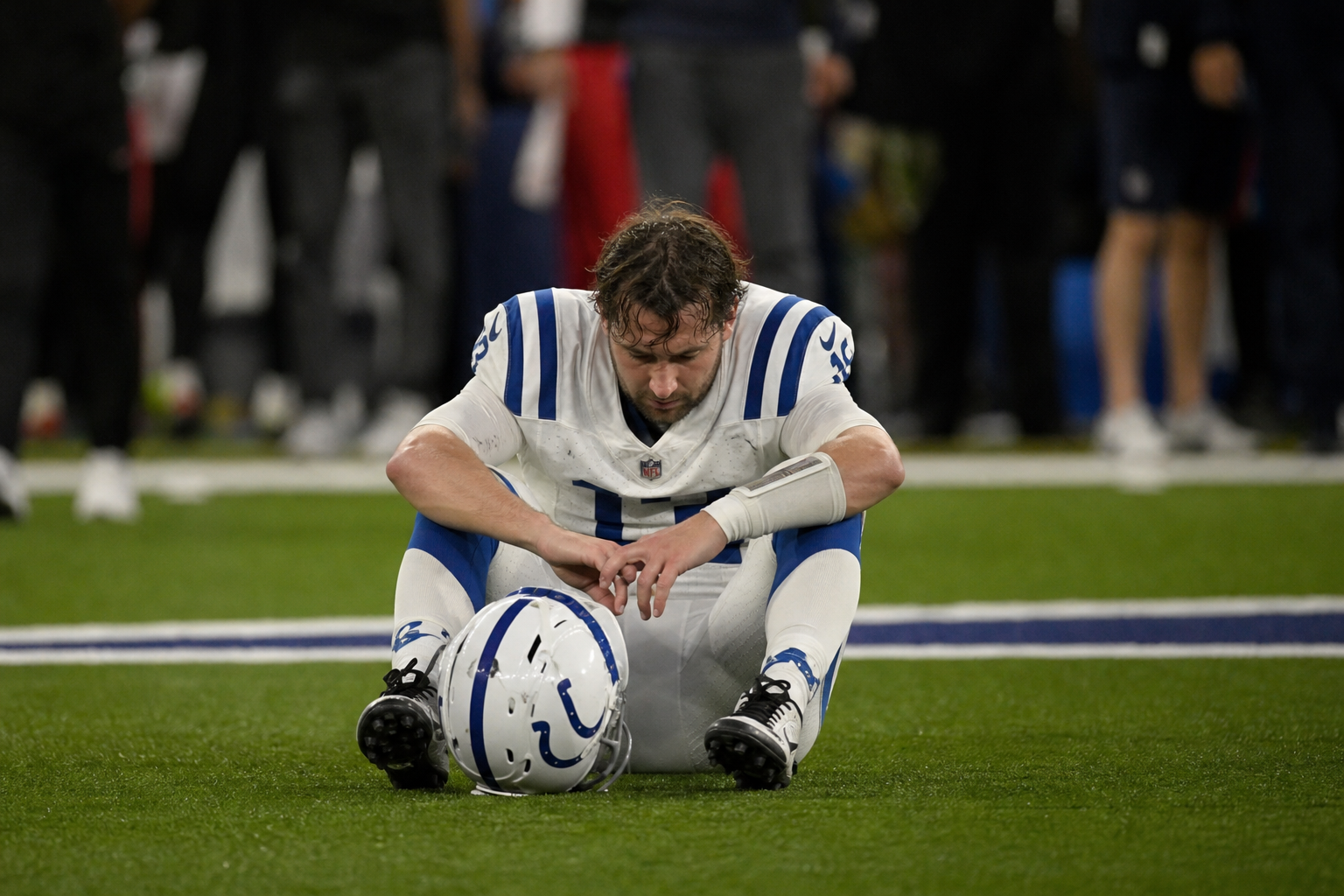
Final scores can flatter the losing team. This one didn’t come close to capturing how thoroughly Houston controlled every phase of the game. From the opening quarter, the Colts showed the body language of a team that already sensed how the night would end.
NFL.com’s post-game analysis noted the Colts looked like a defeated team throughout the majority of the contest — a damning read on a franchise that entered NRG Stadium already fighting to salvage its season. That framing matters, because it separates a bad night from a deeper structural problem.
The 26-3 margin wasn’t manufactured by turnovers or special-teams chaos. Indianapolis simply couldn’t move the ball, couldn’t protect its quarterback and couldn’t respond once Houston seized control. For a team clinging to playoff relevance, that kind of loss carries consequences that extend well beyond the standings.
The result also carried a personal dimension for Houston. The Texans avenged a Week 3 loss to the Colts, completing the head-to-head sweep in a way that now carries real tiebreaker weight — not that Indianapolis looks likely to need those numbers at 3-8.
C.J. Stroud Was Efficient, Controlled and Dangerous
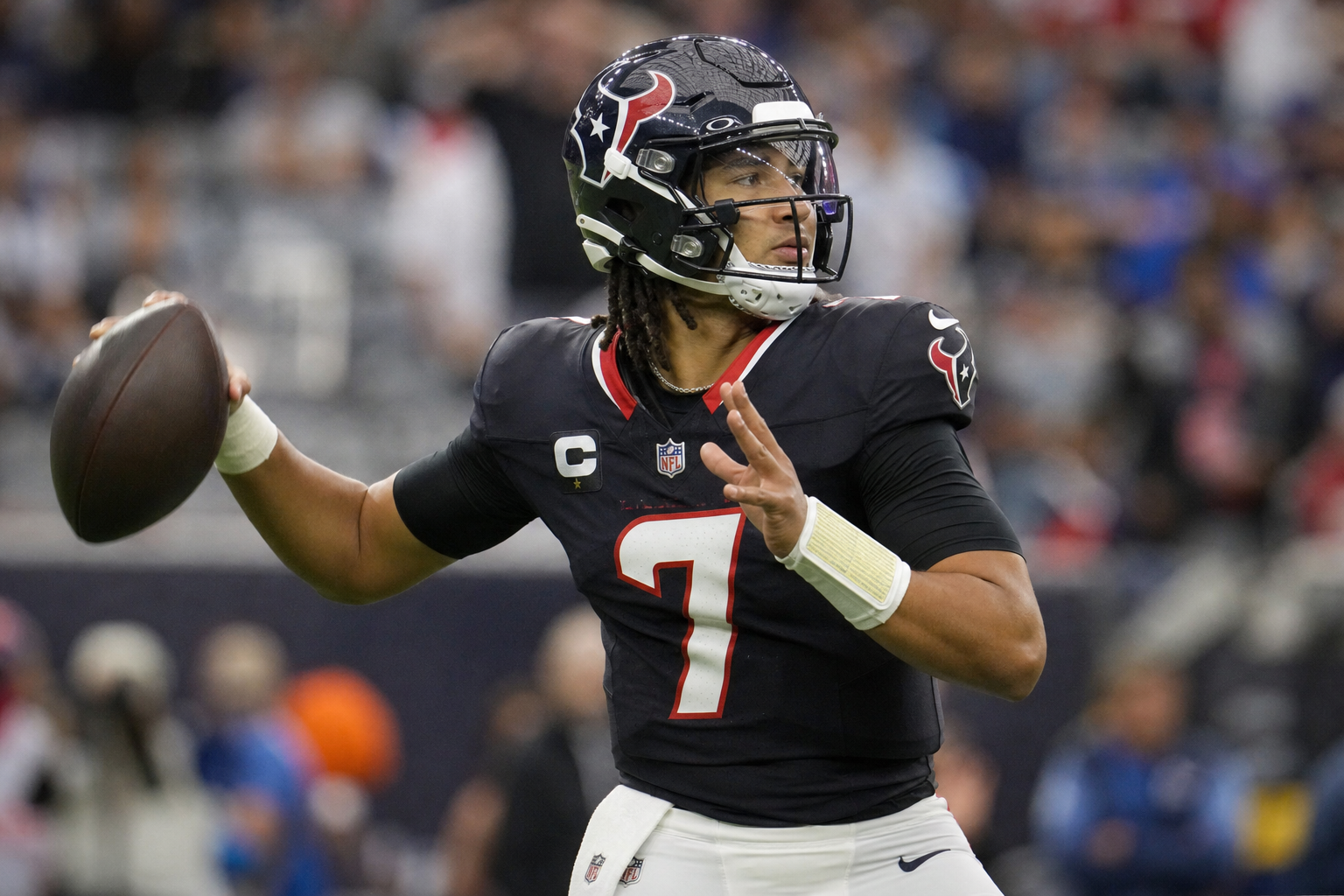
Three touchdowns, 194 passing yards and zero turnovers. On paper, those are measured numbers. In context — Thursday Night Football, a divisional opponent playing for its season — they describe a quarterback who never needed to force a single throw.
Stroud’s three-touchdown night kept Houston’s offense moving without asking him to carry the team, which is precisely what a balanced contender looks like. Three scoring drives without a turnover against a defense playing with urgency is the kind of disciplined execution that separates playoff teams from the rest of the field.
Thursday Night Football has a documented history of exposing young quarterbacks — the short week, the national stage, the heightened pressure. Stroud treated it like a routine assignment. That composure adds another data point to the case that his 2023 Offensive Rookie of the Year campaign was a foundation, not a ceiling.
Houston’s offense moved efficiently enough that its defense was never placed in a position to protect a nervous lead. That balance — offense setting the table, defense rewarding the investment — is the hallmark of a team built for January, not just November.
Will Anderson Jr. Made Life Miserable for Every Colts Offensive Lineman
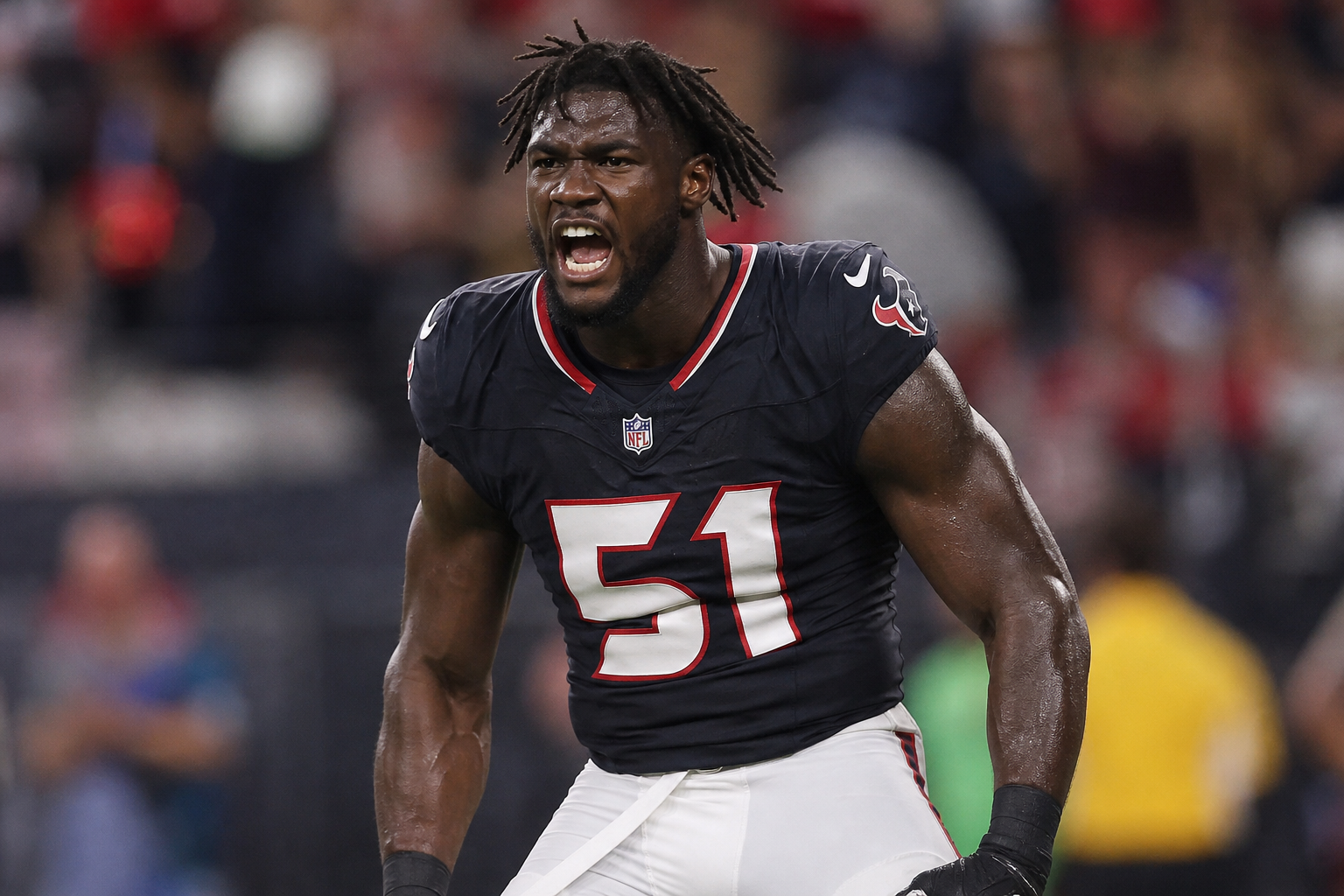
Nine pressures on 24 pass-rush snaps. That works out to roughly one disruption every 2.7 snaps — a pressure rate that would rank among the most dominant individual pass-rush performances of any week this season. Sustained pressure rates above 30 percent from a single rusher in an NFL game are genuinely rare, and Anderson cleared that threshold comfortably.
The practical effect was visible on every Indianapolis possession. Pockets collapsed early. Quarterbacks threw off their back feet. Timing routes — the lifeblood of modern passing offenses — never had time to develop. Drives stalled before they could build any rhythm, and a Colts offense already short on confidence was given no room to find its footing.
Anderson’s performance reinforces why Houston’s defensive identity is a legitimate playoff blueprint rather than a regular-season illusion. Edge pressure backed by disciplined coverage is how you beat quality offenses in the postseason. Thursday night was a proof-of-concept demonstration against a struggling opponent, but the underlying mechanics are sound.
Opposing offensive coordinators will now dedicate extra preparation to scheming around Anderson — which means how he responds to increased double-teams and chip blocks becomes the key technical subplot of Houston’s postseason push.
Indianapolis Has a Problem That Goes Beyond One Loss

The Colts fell to 3-8 with the defeat. With seven games remaining in the regular season, a playoff run has moved from unlikely to near-mathematically implausible. But the record is almost secondary to what the 26-3 final actually revealed.
This wasn’t a fluke beatdown triggered by turnovers or special-teams disasters. Indianapolis’s offense couldn’t manufacture points against a defense playing comfortably within its own structure — no exotic schemes required, no fortunate bounces needed. The Texans didn’t need to do anything exceptional on defense to hold the Colts to three points for essentially the entire game.
That is the more troubling truth for Indianapolis. The offensive struggles in 2024 have been consistent across multiple weeks — not a one-game anomaly but a pattern that raises genuine questions about scheme, personnel and play-calling. Those aren’t problems a single strong draft class can quickly resolve.
At 3-8 with no margin for error, the conversation about offseason decisions has effectively started early. A franchise-defining moment doesn’t always arrive in a playoff game — sometimes it arrives on a Thursday night in November when everything that has been quietly wrong becomes impossible to ignore.
What the AFC South Standings Now Look Like — and What They Mean
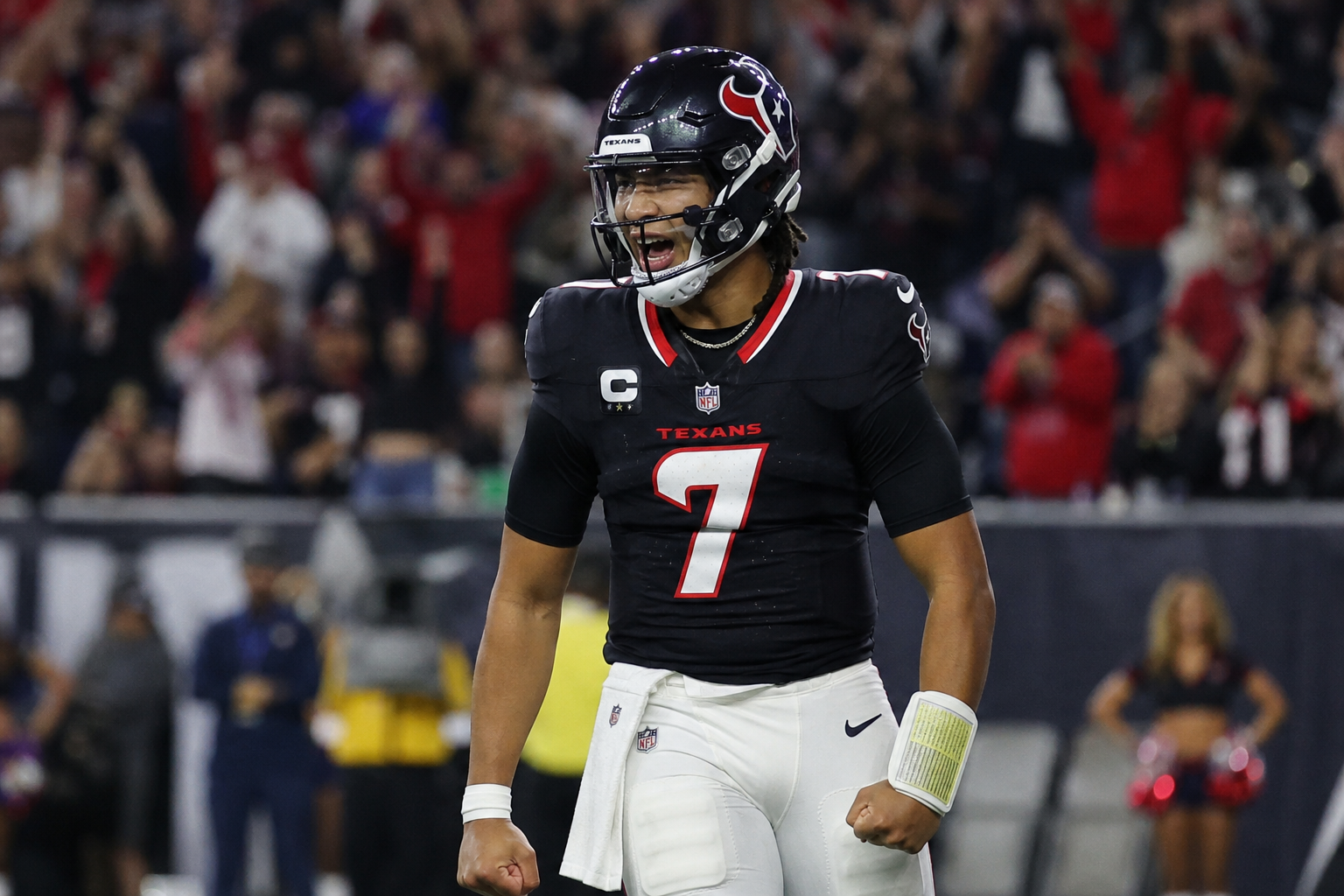
Houston’s grip on the AFC South in 2024 has tightened into something that resembles a lock. A strong defense, a young quarterback playing with composure, and a head-to-head result that flips the tiebreaker math — the Texans carry every structural advantage heading into the final stretch of the regular season.
The Athletic’s live coverage captured a game that felt like Houston’s division title to lose from the third quarter onward. The Colts’ 3-8 record makes a late surge a theoretical exercise rather than a realistic threat. The division race has effectively become a question of how dominant Houston wants to be, not whether they will win it.
For fans tracking the AFC South standings, the next meaningful checkpoint comes when Houston faces a team with a winning record. That result — not Thursday’s comfortable win over an undermanned Indianapolis side — will define the ceiling of what this Texans team is genuinely capable of in January.
Three Things Thursday Night Confirmed About Houston
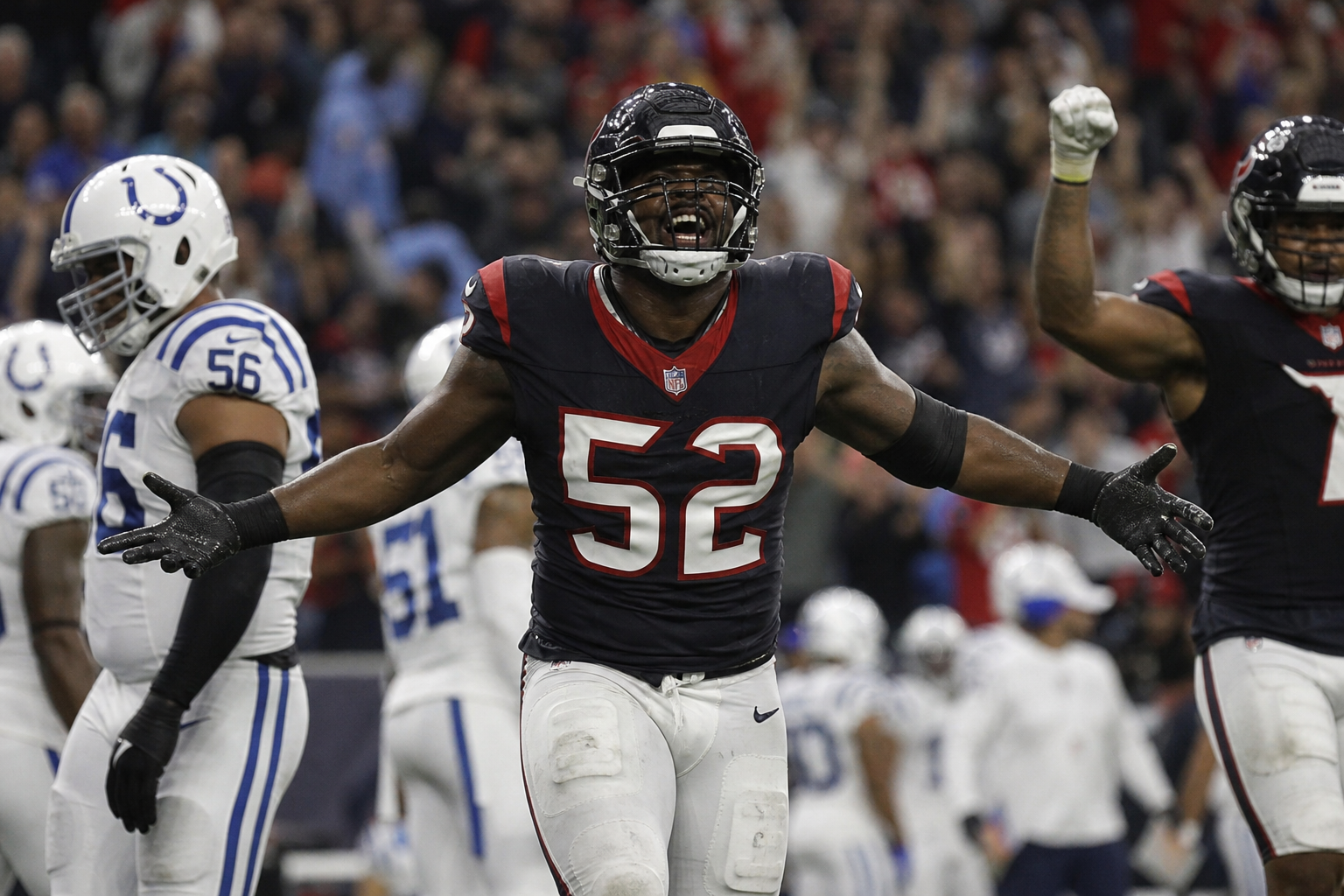
First: the Texans can win ugly and win big. A 26-3 final requires both defensive dominance and offensive execution. This is not a one-dimensional team built around a single star and hoping for the best.
Second: the revenge narrative was real, and the response was emphatic. Returning to face the same divisional opponent that handed you a Week 3 loss and responding with a near-shutout signals psychological maturity in a roster full of young players still building their professional identities.
Third: the combination of Anderson’s pass rush and Stroud’s efficiency is sustainable. These are not statistical outliers from one good night — they are repeatable performance pillars backed by consistent 2024 output from both players. That matters when projecting how Houston will look in January, not just in Week 11.
Thursday night should be remembered as the game that confirmed Houston’s standing in the AFC South — not simply extended it. The Colts came into NRG Stadium as the team that beat the Texans in September. They left as the team that made Houston look complete.