Bud Muehleisen helped shape racquetball’s early rules and rise

Eugene “Bud” Muehleisen Jr. did not just win when racquetball was finding its footing. He helped define what the sport would look like, how it would be officiated, and how it would be taught, and that is why his name still sits near the center of the game’s origin story. Born Oct. 15, 1931, and dying Sept. 8, 2024, at 92 in Fridley, Minnesota, Muehleisen left behind a record that reads like a blueprint for racquetball’s first serious era.
From paddleball to the sport that followed
Muehleisen’s path into racquetball started in paddleball, not in a fully formed racquetball ecosystem. He began playing paddleball in 1962 and won four national titles there, including the 1966 and 1968 championships that USA Racquetball highlighted in its 2024 remembrance. Then he switched to paddle rackets in 1969 and won one of the first national championships in the sport that would become racquetball, taking the 1969 U.S. National title.
That sequence matters because it shows how the game was built from adjacent indoor sports before it had its own settled identity. Muehleisen was part of the handoff from one format to the next, and his move from paddleball to paddle rackets tracks racquetball’s own transition from experiment to organized competition. His competitive success was not confined to a single lane, either. USA Racquetball credits him with 73 combined national and international championships in indoor and outdoor racquetball, a number that makes him look less like a specialist and more like a foundational standard-setter.
The rules were being written while he was winning
Muehleisen’s impact went well beyond trophies. USA Racquetball says he served seven years on the International Racquetball Association board of directors as the first rules committee chairman, and that he was instrumental in the early formation of the game’s first rules. That is the part of his story that explains why his name still matters even to players who never saw him compete.
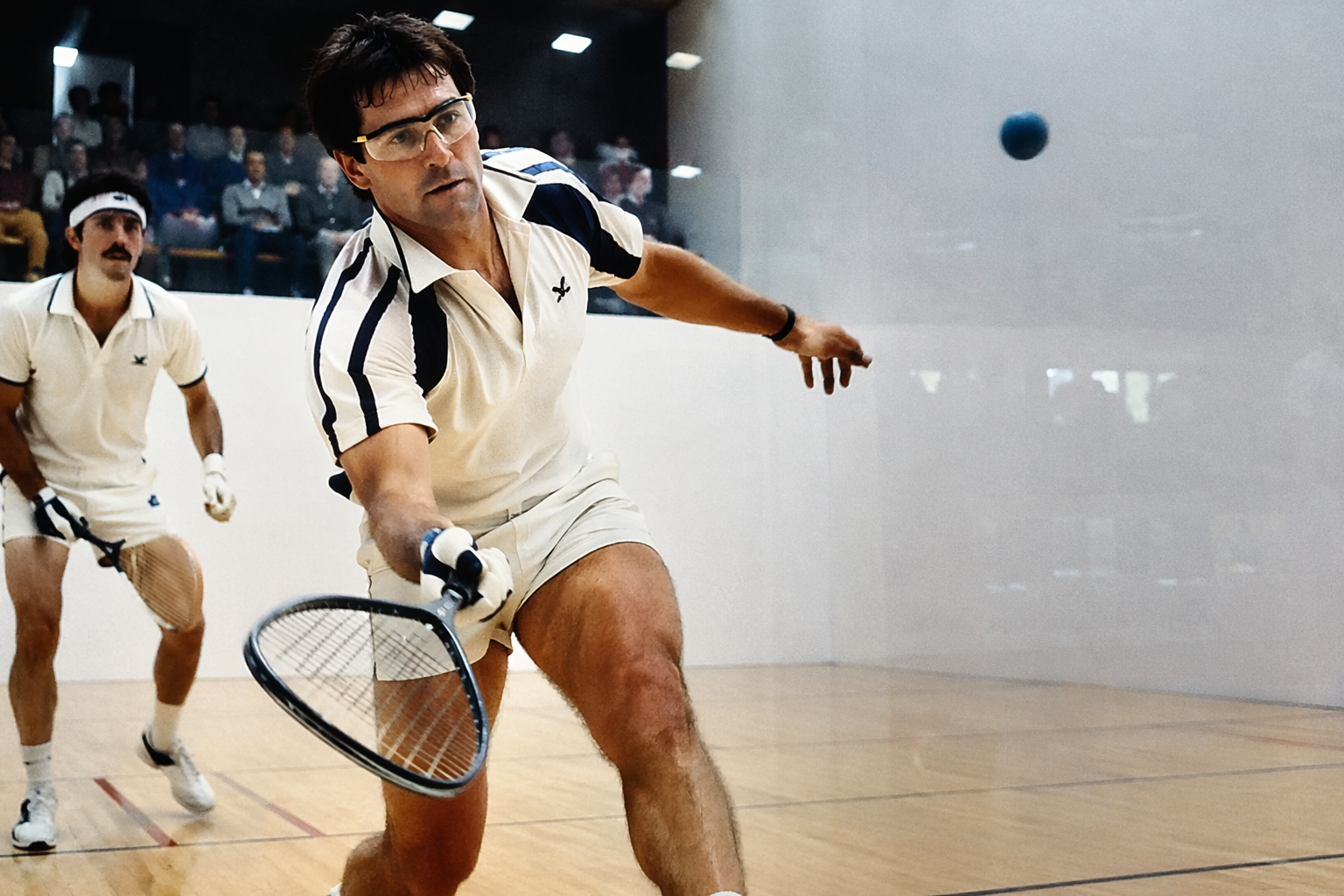
Early sports often look inevitable in hindsight, but they are usually held together by people who are willing to settle disputes before the culture hardens. Muehleisen was one of those people. As a top player sitting inside the rulemaking process, he helped turn a fast-growing activity into a sport with standards that could travel from gym to gym, city to city, and tournament to tournament. That kind of early authority shapes more than the rulebook, it shapes trust.
The teacher’s touch helped spread the game
Muehleisen also helped racquetball teach itself. USA Racquetball credits him with contributing instructional material to early magazines, and with working alongside major equipment manufacturers to improve racquets, balls, and other products. Those details sound modest until you place them in the context of a sport that was still trying to explain itself to new players.
Instructional writing gave the game a language. Equipment collaboration gave it a more consistent feel. Together, those efforts helped move racquetball from local habit to shared culture, where a player in one city could learn the same basics and expect the same gear standards as a player somewhere else. That is a big part of how racquetball became more than a weekend novelty. Muehleisen was not just helping people win matches, he was helping the sport look and play like itself.
The early star set the competitive bar

The Hall of Fame recognized Muehleisen quickly. USA Racquetball inducted him in 1974, only a year after the Hall of Fame was established, which tells you how clearly the sport already understood his importance. He was one of the earliest stars, but his value was not limited to a short burst at the top. He was a through-line from the paddleball era into racquetball’s first competitive core, and he kept winning as the game expanded indoors and outdoors.
That staying power is also part of why his legacy still shows up in the age-group game. USA Racquetball says his collection of age-group titles inspired the annual Bud Muehleisen Age Group Award, a nod to the way he helped normalize excellence across divisions and across ages. The award keeps his name attached to a part of the sport where longevity and consistency matter as much as raw flash.
Why the sport still feels like his sport
The United States Racquetball Museum calls him “The Father of Racquetball,” and the label fits because Muehleisen was present at every stage that mattered. He was a champion before the sport had a full identity, a rules chairman before the book was settled, a teacher before the instruction was standardized, and a product collaborator before the gear stabilized. That combination is rarer than a big title count.
Racquetball’s early culture came from people who could compete, explain, and organize at the same time. Muehleisen did all three. His 73 combined championships gave the sport a benchmark, his rules work gave it structure, and his teaching and equipment work helped give it a common language. That is how a game becomes a sport, and how a sport keeps its first architect in the record long after the last point is played.