Thirty-four years after the Dream Team made basketball a global obsession, the NBA has stopped talking about Europe and started spending on it — to the tune of at least €10 billion (nearly $11 billion) in arena infrastructure, the most consequential overseas commitment the league has ever made.
The Announcement
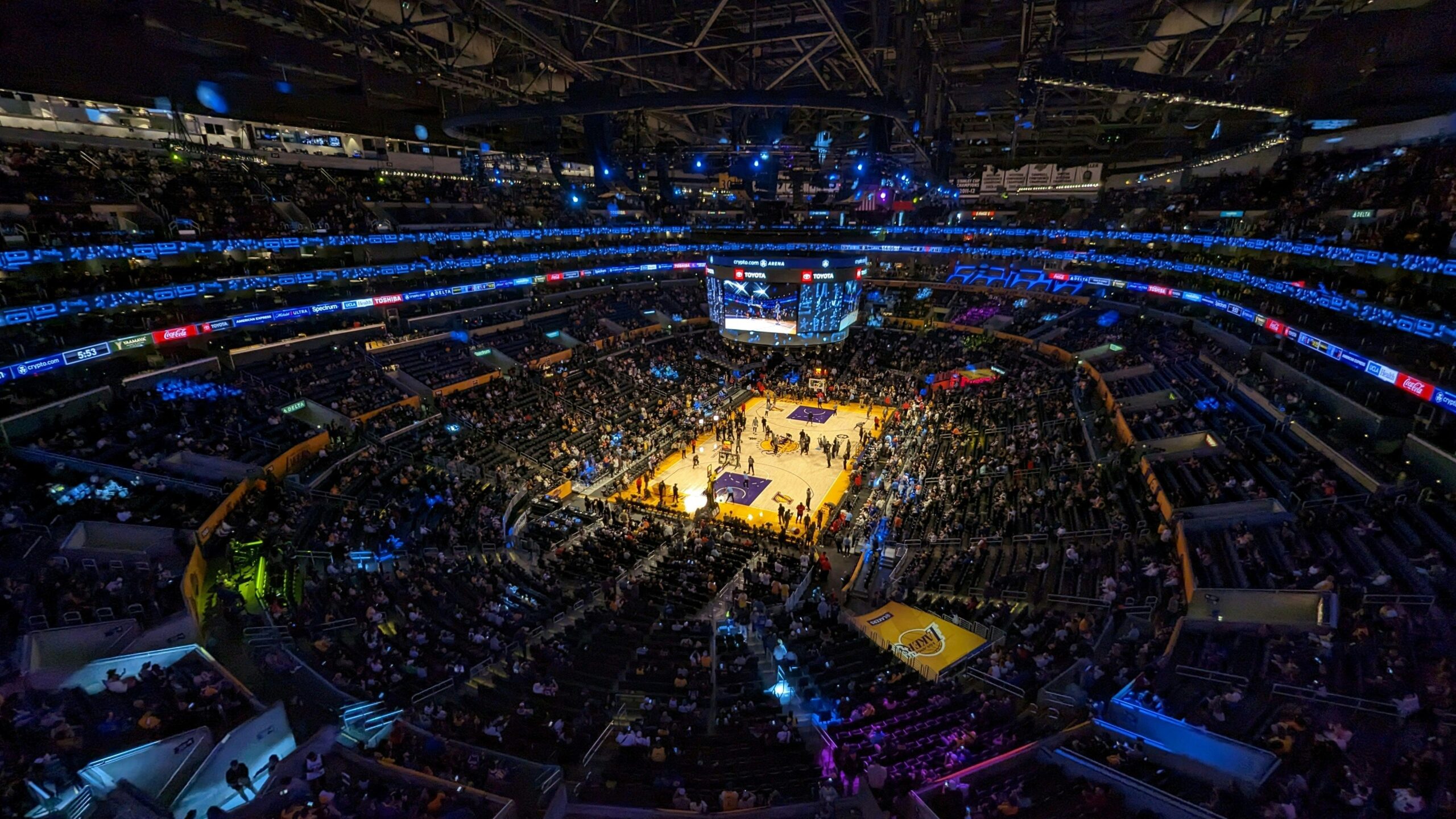
The NBA formally announced a €10 billion initiative to develop and renovate arenas and entertainment districts across Europe, backed by leading global investors. The funding is explicitly designed to support a new European league currently in planning stages — though no launch date, founding cities or team format have been confirmed at the time of this report.
The scale separates this from everything that came before it. NBA Europe Live tours, preseason showcases, regular-season games in London and Paris — those were marketing exercises. This is infrastructure capital: concrete, steel, broadcast cabling and luxury suites. The NBA described the €10 billion figure as a floor, not a ceiling, signalling that ambition may yet exceed even this headline number.
Institutional investor backing lends the announcement a credibility that earlier European expansion talk never had. According to the Associated Press, the initiative covers both ground-up construction of new arenas and the renovation of existing venues to NBA-grade standards — sight lines, broadcast infrastructure, luxury suites and fan-experience technology. The NBA had not publicly named individual investors at the time of this report.
What €10 Billion Actually Builds
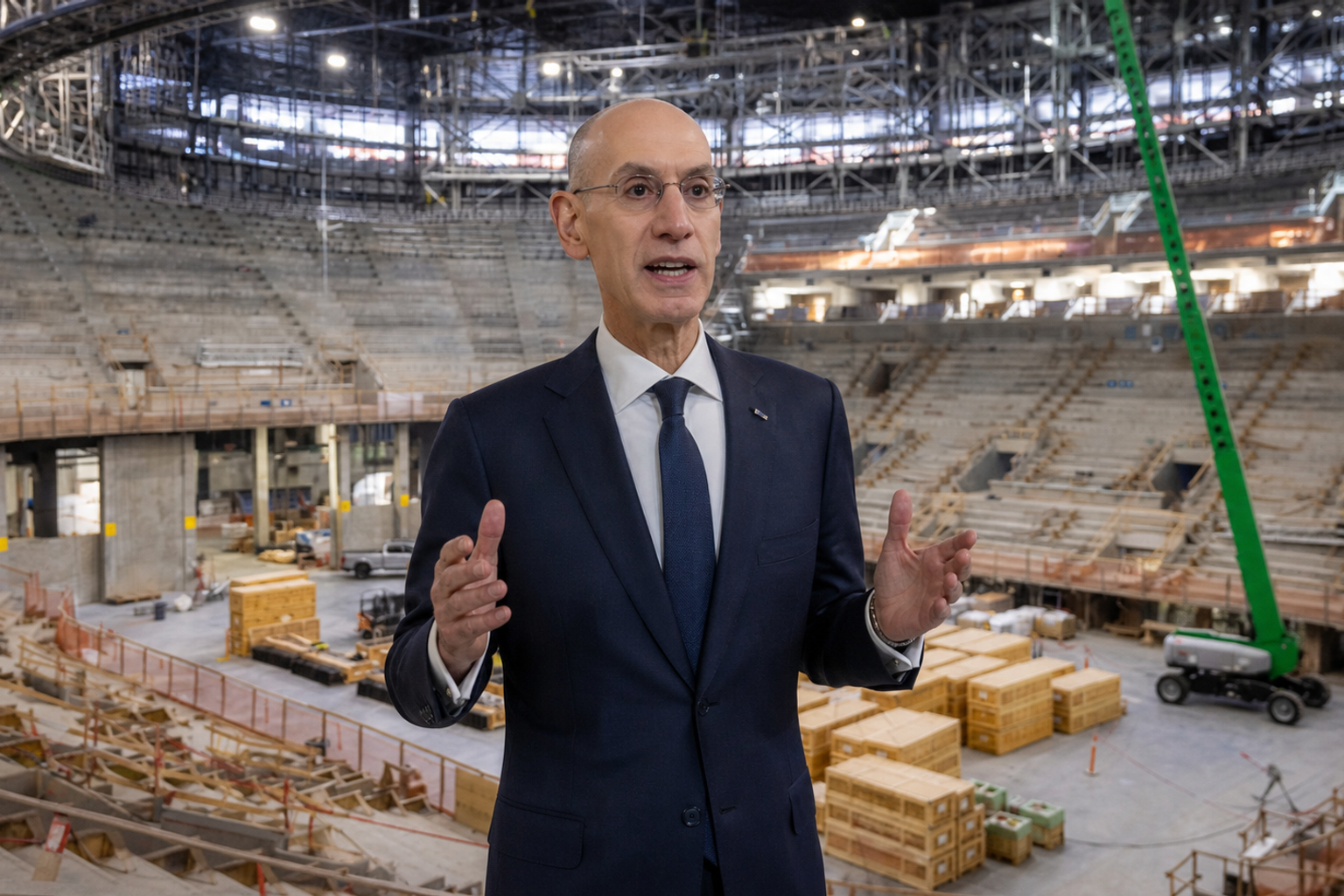
To understand the ambition, consider the benchmark: modern NBA arenas in North America cost between $1 billion and $2 billion per building. At that rate, the European initiative could fund five to ten flagship venues — enough to anchor a credible multi-city league rather than a single showcase site.
The NBA has stated three goals for the initiative: develop world-class arenas, enhance the live fan experience, and build financially sustainable businesses capable of supporting a league over the long term. That third goal is the telling one. Sustainable businesses require season-ticket holders, local sponsorship and broadcast revenue — the kind of infrastructure that takes years to cultivate and cannot be imported from Indianapolis or Portland.
Without viable arenas, a European league is a press release. Every previous attempt at NBA-branded European competition foundered partly on this structural problem. NBC Sports notes that the commitment is the NBA’s direct answer to that recurring obstacle — solve the venues first, announce the fixtures later.
Why This Is the League’s Biggest Swing Since the 1992 Dream Team

The 1992 Barcelona Olympics — where NBA superstars competed internationally for the first time — is widely credited with globalising the league’s brand. Magic Johnson, Michael Jordan and Larry Bird did not just win gold; they turned European teenagers into NBA fans. The arena plan is the structural follow-through, three decades later: converting those fans’ grandchildren into paying season-ticket holders.
Every previous NBA Europe attempt was promotional. The NBA Europe Live tours of the mid-2000s were barnstorming exhibitions. The NBA Europe League proposal floated around the same era never got past the concept stage. Reuters reports that this initiative involves permanent real estate investment across multiple European markets — a commitment that stakes the NBA’s credibility and investor relationships on European fans showing up consistently, not just for novelty events.
Committing €10 billion to foreign soil is a categorically different risk than scheduling a preseason game at The O2. If this fails, the losses are measured in billions, not in unsold replica jerseys.
Who It Affects Right Now

European basketball fans in major markets — London, Paris, Madrid, Berlin, Milan — are the primary audience the NBA needs to convert from casual viewers into regulars who renew season tickets in February. That conversion is not guaranteed. European sports culture is fiercely club-driven, built around local identities that predate the NBA’s global ambitions by decades.
EuroLeague Basketball, the continent’s premier club competition, is owned by its member clubs and has historically resisted NBA encroachment on its territory. If NBA-backed arenas enter EuroLeague markets with superior facilities and league capital, incumbent clubs face a genuine talent and sponsorship squeeze. How EuroLeague responds — through partnership, legal challenge or counter-investment — will define whether European basketball unifies under a broader structure or fractures into competing systems.
NBA players with European roots or significant international fanbases stand to gain new platforms. A viable European league could also create a credible high-level destination for players outside the 30-roster NBA system — athletes who currently cycle through EuroLeague, the G League or early retirement.
The Obstacles the NBA Has Not Yet Answered
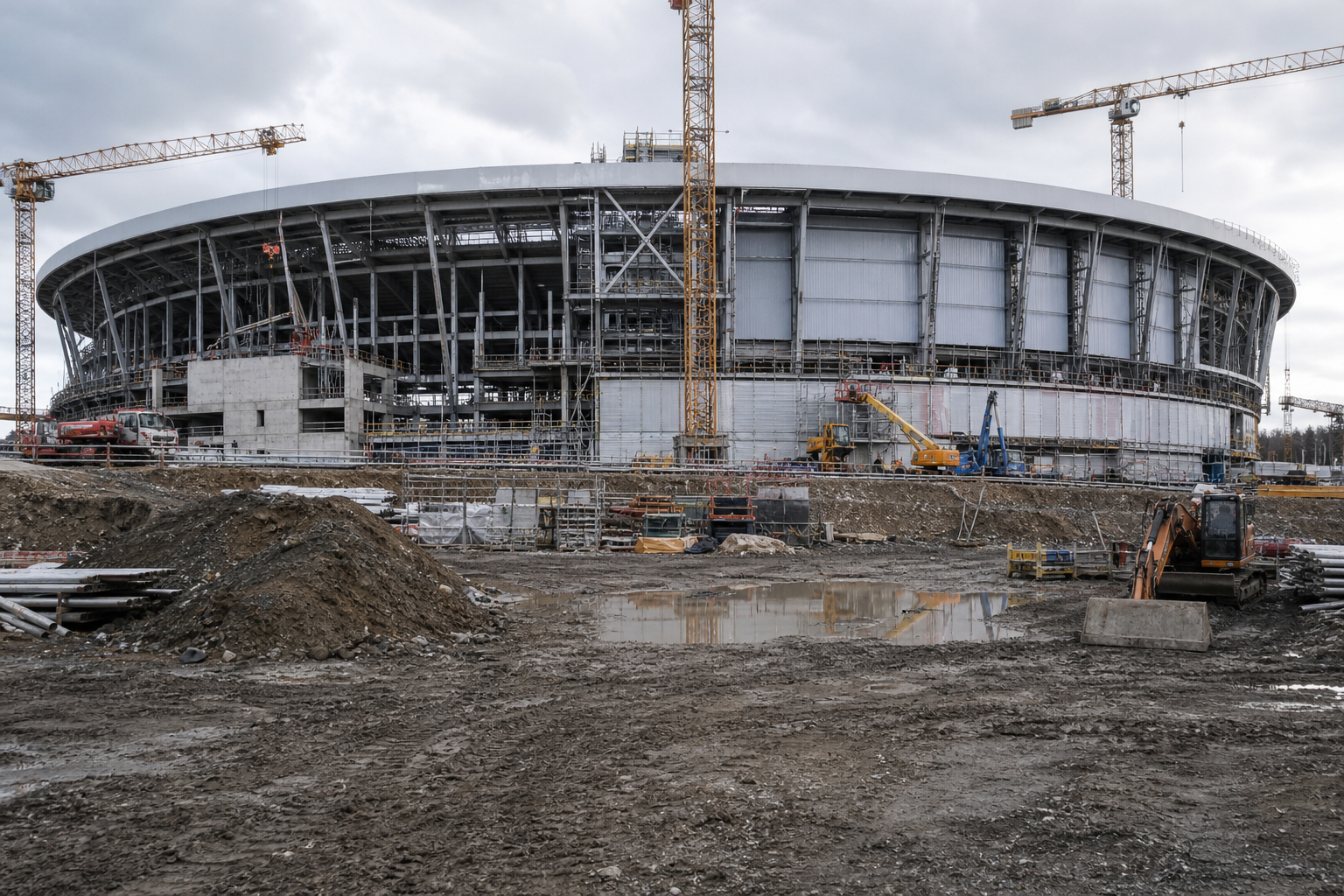
The €10 billion covers arena infrastructure. It does not cover operating costs, player salaries, league administration or the separate financial layer required to actually run games. Those figures remain unquantified in any official announcement.
Planning permissions, land acquisition and local government partnerships across multiple sovereign nations each carry their own legal and political timelines. Building an arena in London involves a different regulatory environment than building one in Madrid or Berlin — and that complexity multiplies with every city added to the target list.
Broadcast rights across fragmented European media markets represent another unresolved challenge. Basketball in Europe competes for primetime with football, Formula 1 and cycling — sports with century-long domestic roots and embedded broadcast deals. Reaching mainstream audiences, rather than existing basketball converts, will require negotiating rights packages that may not yet exist in viable form.
Fan culture is perhaps the most stubborn obstacle of all. Infrastructure can be built faster than loyalty. Asking a Real Madrid Baloncesto supporter or a Fenerbahçe fan to transfer emotional investment to a new NBA-branded franchise is a marketing challenge no amount of concrete resolves on its own.
What to Watch Next

The €10 billion is the headline. The arena pipeline is the proof of intent. But this story moves from ambitious plan to operational reality only when specific developments are confirmed.
- Target city announcements: Official confirmation of which European markets the NBA prioritises will be the first concrete signal of geographic strategy.
- Investor identity disclosures: Named backers will clarify whether funding is concentrated regionally or genuinely pan-European — and whether sovereign wealth funds, private equity or both are driving the capital structure.
- EuroLeague’s response: Any formal reaction from incumbent European clubs, whether collaborative or adversarial, will define the competitive landscape for years.
- A confirmed league timeline: Until founding teams and a launch date are announced, the European league remains a planning-stage concept. This story will be updated as attributed details emerge.
The NBA has placed the largest international bet in its history. Whether European fans cash it in or fold it remains, for now, an open question — but the league has made unmistakably clear that it is no longer content to watch from across the Atlantic.