Scouts have been in the business long enough to know a special rookie class when they see one — and what they’re seeing from the 2025-26 NBA draft class has even the most seasoned evaluators reaching for superlatives. The depth runs from the lottery to the second round, across every position, on rebuilding rosters and contenders alike, and the early numbers are backing the hype up.
A Rookie Class Scouts Can’t Stop Talking About
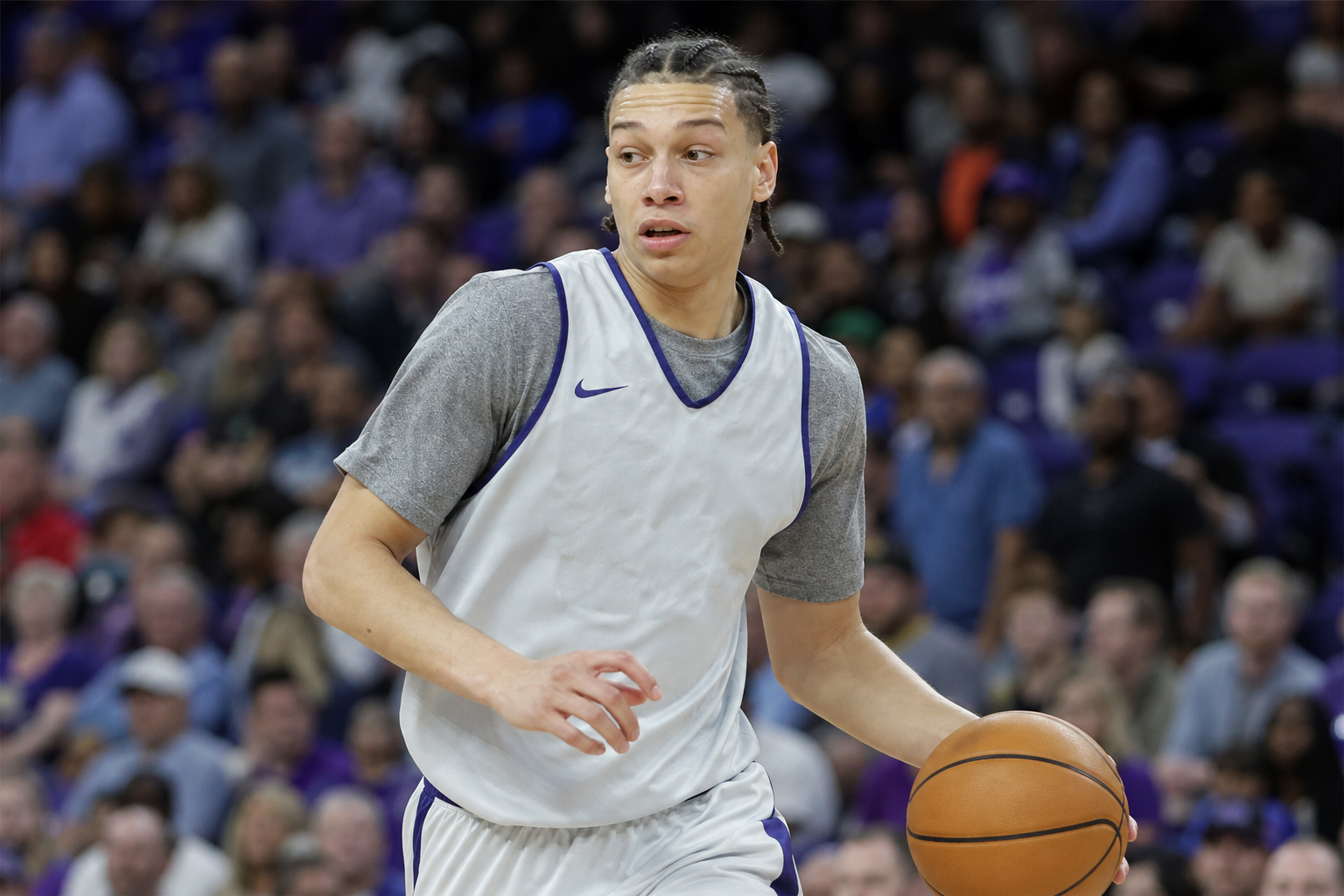
What makes this class genuinely unusual isn’t one or two transcendent names sitting above a forgettable field. It’s the width of the talent. ESPN’s rookie rankings identified ten players standing out from the 2026 draft class in the early weeks of the season, and the list spans traditional scorers, switchable defenders, and rim-running bigs who are all earning real minutes on real rosters. The Kia Rookie Ladder — the official media-voted weekly ranking — is producing its own unexpected leaders, and the two lists don’t always agree. That divergence isn’t a flaw. It’s evidence of how many legitimate conversations this class is generating at once.
One clarification before diving in: Cooper Flagg won the 2025-26 NBA Rookie of the Year award, per Basketball Reference. That’s the season’s official verdict. But the Kia Rookie Ladder is currently topped by Yaxel Lendeborg of the Golden State Warriors, while ESPN’s holistic rankings place Cameron Boozer of the Memphis Grizzlies at No. 1 overall. Three different scorecards, three different leaders — and Flagg’s trophy doesn’t close the debate so much as add another layer to it.
Understanding the Three Scorecards
To make sense of the top ten below, it helps to understand what each measure is actually capturing. ESPN’s rookie power rankings blend on-court production with role, opportunity, and long-term projection — a holistic editorial judgment. The Kia Rookie Ladder is a weekly media vote that rewards recent performance and visibility. Hashtag Basketball’s model is performance-based, leaning on shooting volume, efficiency, and minutes to produce a more statistically grounded picture.
The backbone of this list is ESPN’s rankings, supplemented by Kia Ladder positions and Hashtag Basketball’s verified data where available. Where ESPN’s order diverges from the statistical output, that divergence is flagged as editorial opinion, not objective fact. Statistics and ladder positions reflect available data from the early 2025-26 season; treat this as a mid-season snapshot, not a final verdict.
No. 10 to No. 7 — The Undercard Making Noise
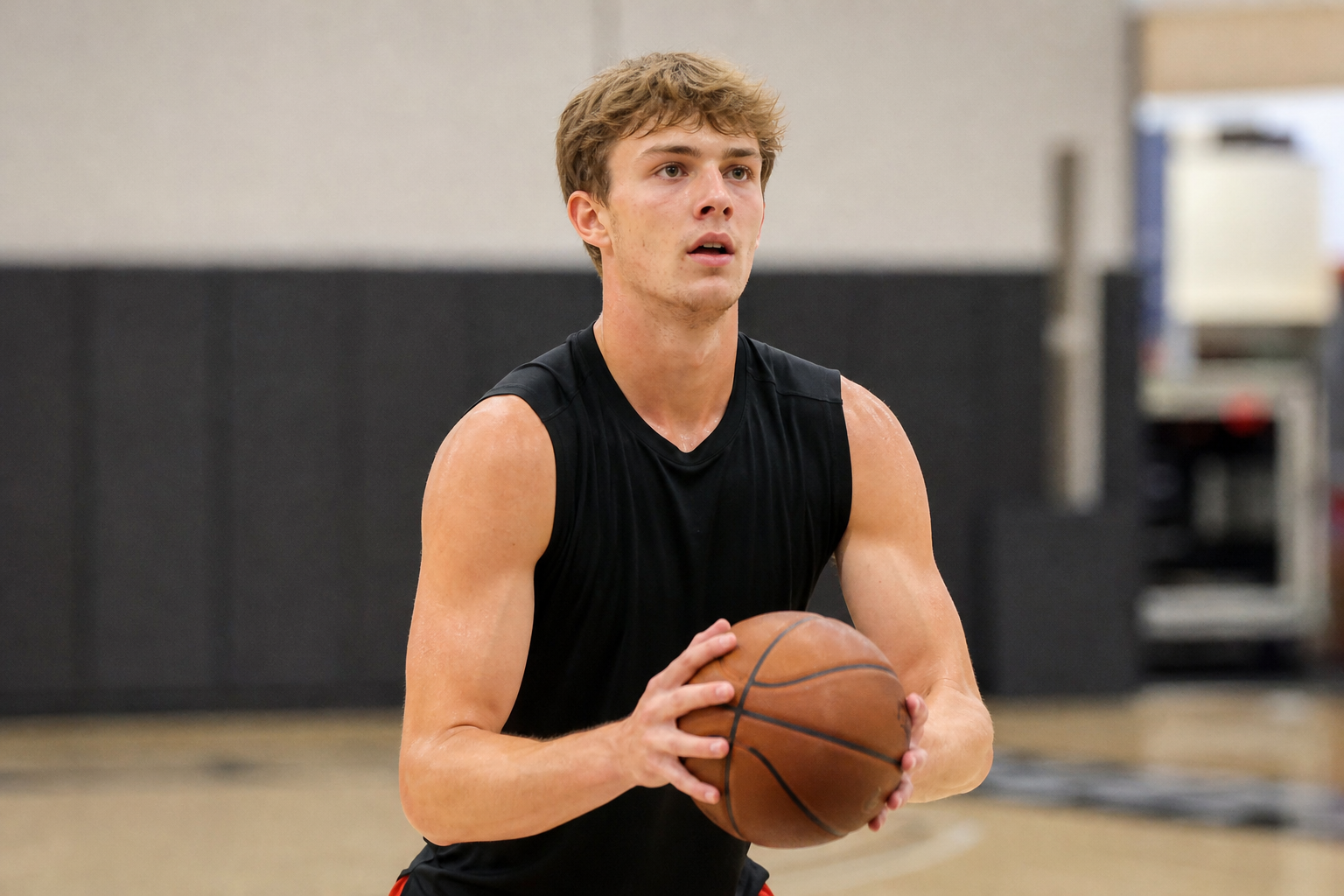
No. 10 — Keaton Wagler, LA Clippers
Los Angeles is in a deliberate rebuild, which means genuine opportunity for young players rather than a ceremonial seat at the end of the bench. Wagler has taken advantage of that space, bringing the kind of floor-spacing efficiency that modern NBA offenses prize. ESPN slots him at No. 10 in their rankings — a quiet signal that evaluators keep returning to him even when bigger names are available. On a roster where minutes are earned rather than promised, holding that position consistently carries real weight.
No. 9 — Meleek Thomas, Cleveland Cavaliers
Cleveland’s system has consistently squeezed production out of players who know their role, and Thomas fits that template. His scoring and defensive activity give the Cavaliers a plug-in option off the bench who doesn’t require the ball to be effective. At this stage of the season, carving out a defined role on a winning team is worth more than raw stats on a lottery squad, and Thomas is doing exactly that.
No. 8 — Kingston Flemings, Atlanta Hawks
The Hawks have a genuine history of developing wings — it’s practically a franchise identity at this point — and Flemings walks into that environment with a skill set built for it. His early box-score contributions reflect the kind of versatile wing production Atlanta has historically rewarded with expanded minutes. If the development pipeline does its job, Flemings has the profile to climb this list significantly before the season ends.
No. 7 — Aday Mara, Oklahoma City Thunder
OKC’s development record over the past several years is essentially a proof of concept for what a well-run organization can do with the right raw materials. Mara brings a size-and-shooting profile that fits precisely the kind of modern big-man archetype the Thunder have shown they can accelerate. His appearance in ESPN’s rankings confirms he isn’t just a name — he’s a player scouts are tracking with genuine interest, and the Thunder’s infrastructure gives him one of the better developmental environments available to any rookie in this class.
No. 6 to No. 4 — The Middle Tier Pushing for Recognition
No. 6 — Darryn Peterson
Peterson’s placement above several higher-profile draft names reflects what ESPN’s evaluators weigh beyond raw counting stats: shot creation, defensive versatility, and the ability to influence games in transition. He’s the kind of player whose value doesn’t always jump off the scoresheet but becomes obvious when you watch possessions in sequence. The scouts who have been saying this class has unusual depth point to players like Peterson as their primary evidence.
No. 5 — Trevon Brazile
Brazile’s case rests on two-way potential and the kind of athleticism that opens up an entire playbook for his coaching staff. The combination of above-the-rim play and defensive switchability is relatively rare, and it’s the reason he slots ahead of several peers who may be producing more visibly right now. The early-season question for Brazile isn’t whether the talent is there — it clearly is — but whether his minutes will grow as the season deepens and coaches trust him with bigger assignments.
No. 4 — Darius Acuff Jr., Sacramento Kings
The numbers here aren’t subtle. Acuff is averaging 24.0 points and 6.6 assists per game, according to NBA Philippines, making him the class’s most statistically active dual-threat player at this snapshot. That combination of scoring volume and playmaking rate has pushed him onto the Kia Ladder’s top tier, and it’s the reason Sacramento fans are increasingly invested in his development arc. To be clear: these are season averages, not the product of one or two outlier games — this is Acuff’s sustained level of output through the early weeks of the season.
No. 3 to No. 2 — The Ladder Leaders Fighting for the Top Spot
No. 3 — Brayden Burries
Burries rounds out ESPN’s verified top five with a game built around creating advantages in pick-and-roll coverage and hitting shots when the defense collapses. The team context he’s operating in is enabling that skill set, and the early returns justify his place in the top three of any serious rookie conversation. His defining characteristic — the ability to generate quality looks for himself and teammates within structured half-court offenses — is exactly what championship-caliber teams pay veterans to do. Burries is doing it as a rookie.
No. 2 — Cameron Boozer, Memphis Grizzlies
ESPN’s overall No. 1 rookie earns that ranking with production that is clearly merited rather than inherited. Hashtag Basketball’s data shows Boozer averaging 30.8 minutes per game with a 0.422 field-goal percentage on 13.2 attempts — a shooting volume and efficiency combination that confirms he is a genuine rotation centerpiece for Memphis, not a development project being eased in. The franchise angle matters here too: the Grizzlies have a documented track record of growing big men into serious NBA contributors, which adds weight to arguments about Boozer’s long-term ceiling beyond the early-season numbers.
Despite Boozer leading ESPN’s holistic assessment, the Kia Rookie Ladder tells a different story at the top — and that difference is worth examining carefully.
No. 1 — Yaxel Lendeborg and the Case for the Class’s Best Player Right Now
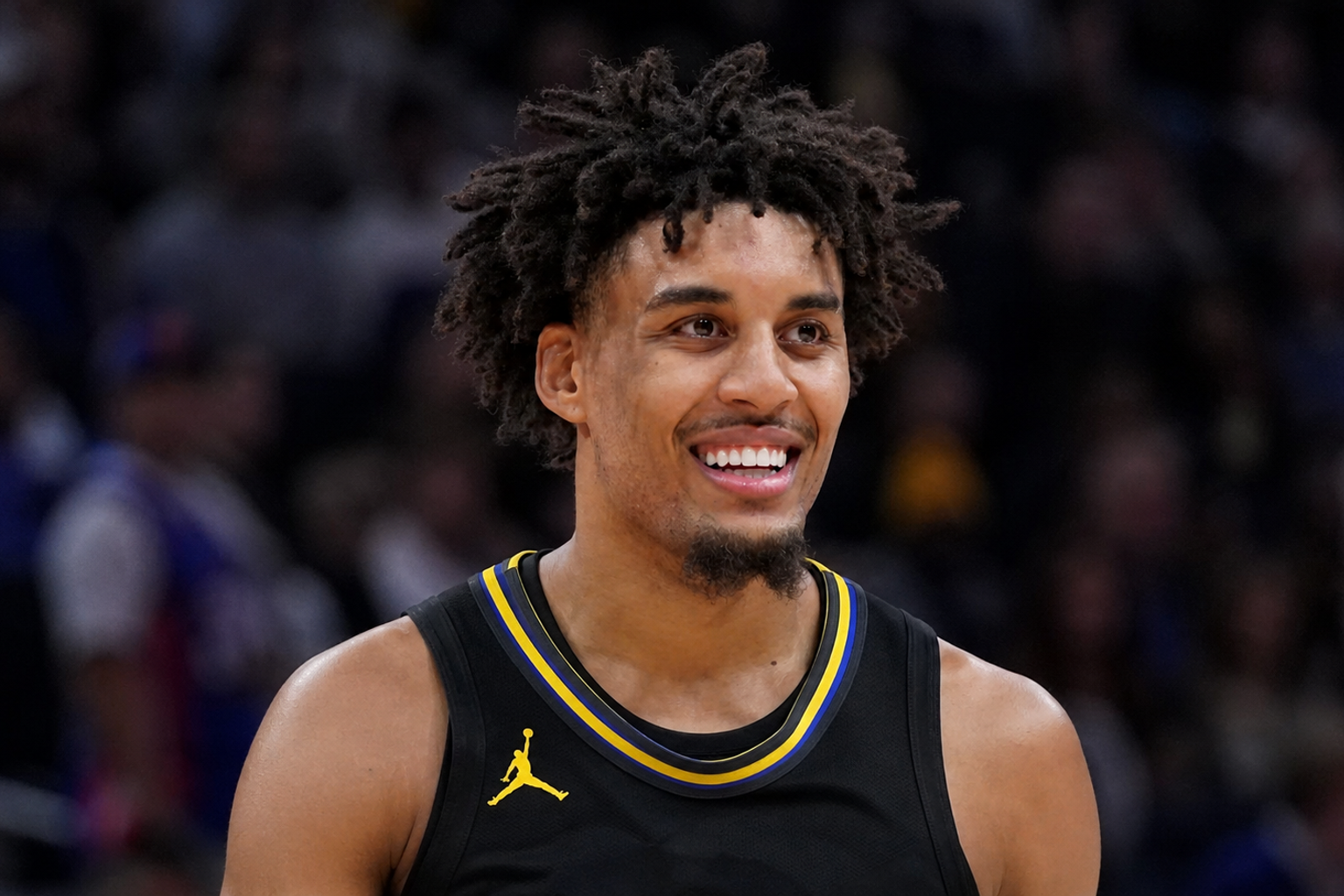
Lendeborg sits at No. 1 on the Kia Rookie Ladder, and the statistical foundation for that position is the strongest among any named top-tier rookie at this point in the season. Hashtag Basketball’s verified data places him at 31.8 minutes per game and a 0.452 field-goal percentage on 14.6 attempts — the highest shooting volume and efficiency combination among the class’s leading names. That’s not a hot week. That’s sustained output at a rate that holds up under scrutiny.
The Golden State context adds a layer of weight that is easy to underestimate. Earning meaningful minutes on a franchise with championship infrastructure — where the competition for playing time is real and the coaching staff’s standards are well established — is a materially different proving ground than getting heavy usage on a rebuilding roster. Lendeborg is producing in an environment that makes it harder, not easier, to put up impressive numbers.
The three-way comparison is worth drawing explicitly. Acuff leads the class in scoring and playmaking rate. Boozer leads ESPN’s holistic ranking and is demonstrating high-volume shooting efficiency. Lendeborg leads in shooting efficiency at the highest attempt volume among the trio, and leads the official media-voted ladder. Three legitimate claims to being the class’s best player, depending on which metric you weight most heavily — and that’s before accounting for Flagg’s Rookie of the Year trophy.
Editorial opinion, clearly labeled as such: at this point in the 2025-26 season, the statistical case for Lendeborg at No. 1 is the strongest single argument available. But with Flagg already holding the official award, the class’s hierarchy remains genuinely unsettled — and that honest uncertainty is precisely what makes this group historically interesting.
Why This Class Is Different — And What to Watch Next
Return to what the scouts said at the start of the year: they’d never seen depth like this. The rankings above validate that claim not because one player is rewriting record books, but because credible top-five candidates are spread across multiple positions, multiple types of teams, and multiple statistical contexts. The narrative isn’t being carried by a single superstar. It’s being distributed across the entire class.
Cooper Flagg’s Rookie of the Year win — the season’s official verdict per Basketball Reference — anchors the conversation historically. But Lendeborg’s Kia Ladder position and Boozer’s ESPN rank confirm that the dialogue around this class extends well beyond one award. The early-season momentum around these players is built on verified production, not projected potential.
The specific storylines worth tracking as the schedule deepens: Can Acuff maintain 24-plus points and six-plus assists for Sacramento as scouting reports adjust to him? Does Lendeborg’s efficiency hold as Golden State faces tougher defensive assignments in the second half of the season? And critically — do any of the No. 7 to No. 10 tier players, particularly Flemings or Mara, force their way into the top five as minutes and opportunities expand?
These rankings will shift. That’s not a caveat — it’s the point. This is a mid-season snapshot with a clear statistical cutoff, offered as a starting point for a conversation that the 2025-26 rookie class is fully capable of making complicated. This coverage will be updated as the Kia Ladder moves and the season’s picture sharpens.