With an MLB lockout potentially days away, front offices across baseball are racing against a transaction clock that could freeze rosters for months — and the experts watching closest say a handful of deals need to happen now or risk disappearing entirely.
The Clock Is Ticking — And MLB’s Trade Window Is Closing Fast
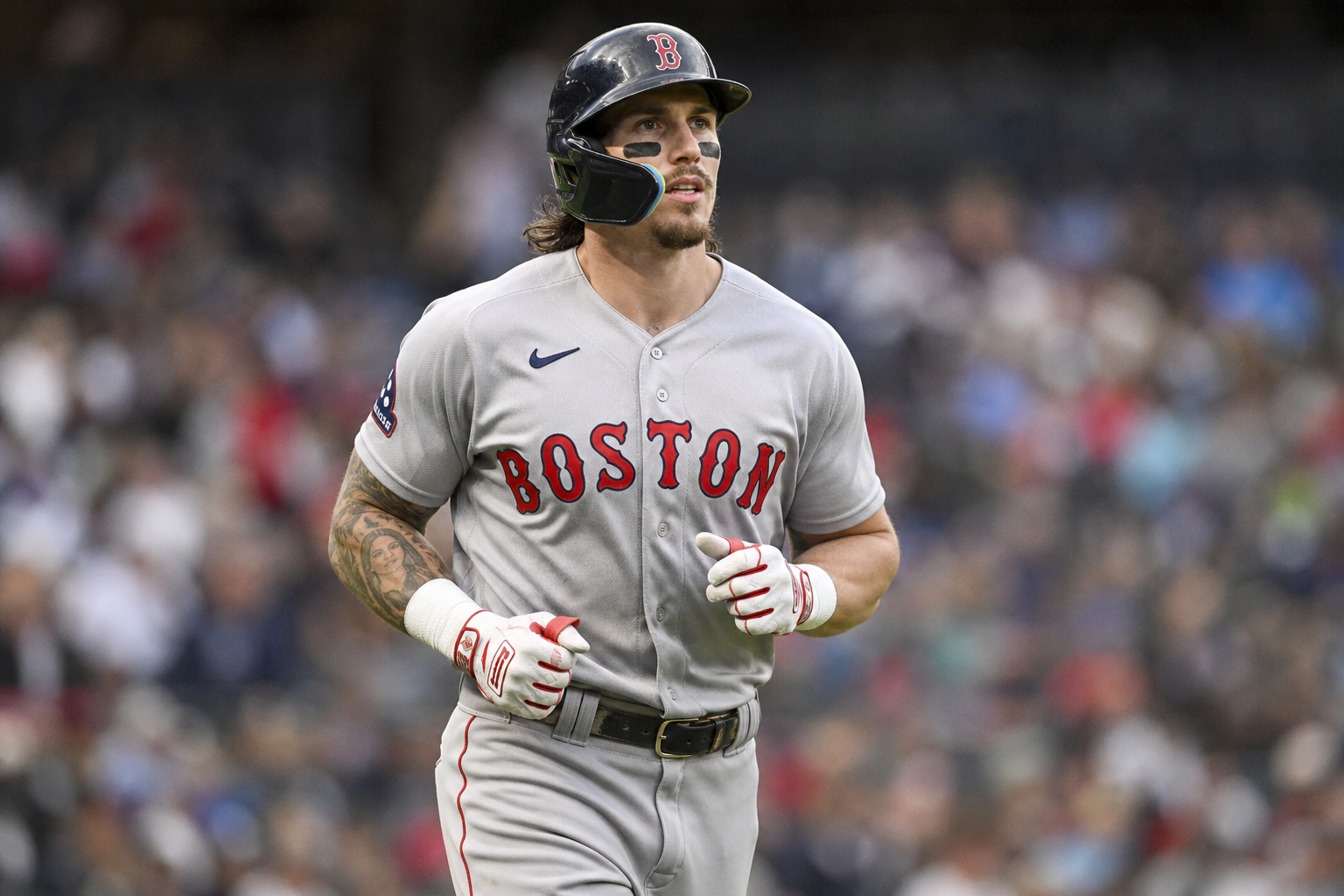
When ESPN analysts were asked to name the single trade they would make before an MLB lockout, the answers didn’t scatter across thirty teams. They converged. The same names — Jarren Duran, Ketel Marte, Shea Langeliers — kept surfacing, pointing toward a rare moment of expert consensus in a sport where opinions rarely agree on anything.
That convergence matters. When rival analysts, former general managers, and beat reporters independently circle the same deals, it’s usually because those deals reflect genuine organizational vulnerability on one side and genuine opportunity on the other. The lockout clock doesn’t create those situations — it just makes them urgent.
What an MLB Lockout Actually Means for Trades

A lockout is a work stoppage initiated by team owners, not players. When one begins, baseball’s transaction machinery shuts down completely: no trades, no signings, no contract extensions, no medical checks on players changing teams. Any deal not officially processed before the freeze is effectively on hold until a new Collective Bargaining Agreement (CBA) is ratified — and in practice, the conditions that made a deal attractive can shift entirely in the interim.
That’s not a minor inconvenience. A half-finished trade can unravel entirely when the market reopens, because circumstances change — injuries occur, prospects develop or regress, and other teams fill the same needs through different channels. TSN analysts examining whether teams should push for last-minute deals noted that front offices treating this as a soft deadline are essentially gambling that a quick CBA resolution follows — a bet that historical work stoppages suggest rarely pays off on the expected timeline.
The 1994–95 work stoppage, the most damaging in MLB history, wiped out the World Series and cost clubs far more than a single offseason of roster building. Even shorter stoppages scramble spring training preparation, delay arbitration hearings, and compress the competitive windows of teams whose rosters were built for a specific moment. The practical lesson is straightforward: front offices that move before a freeze preserve optionality; those that wait surrender it.
The ESPN Expert Consensus: Jarren Duran to the Diamondbacks
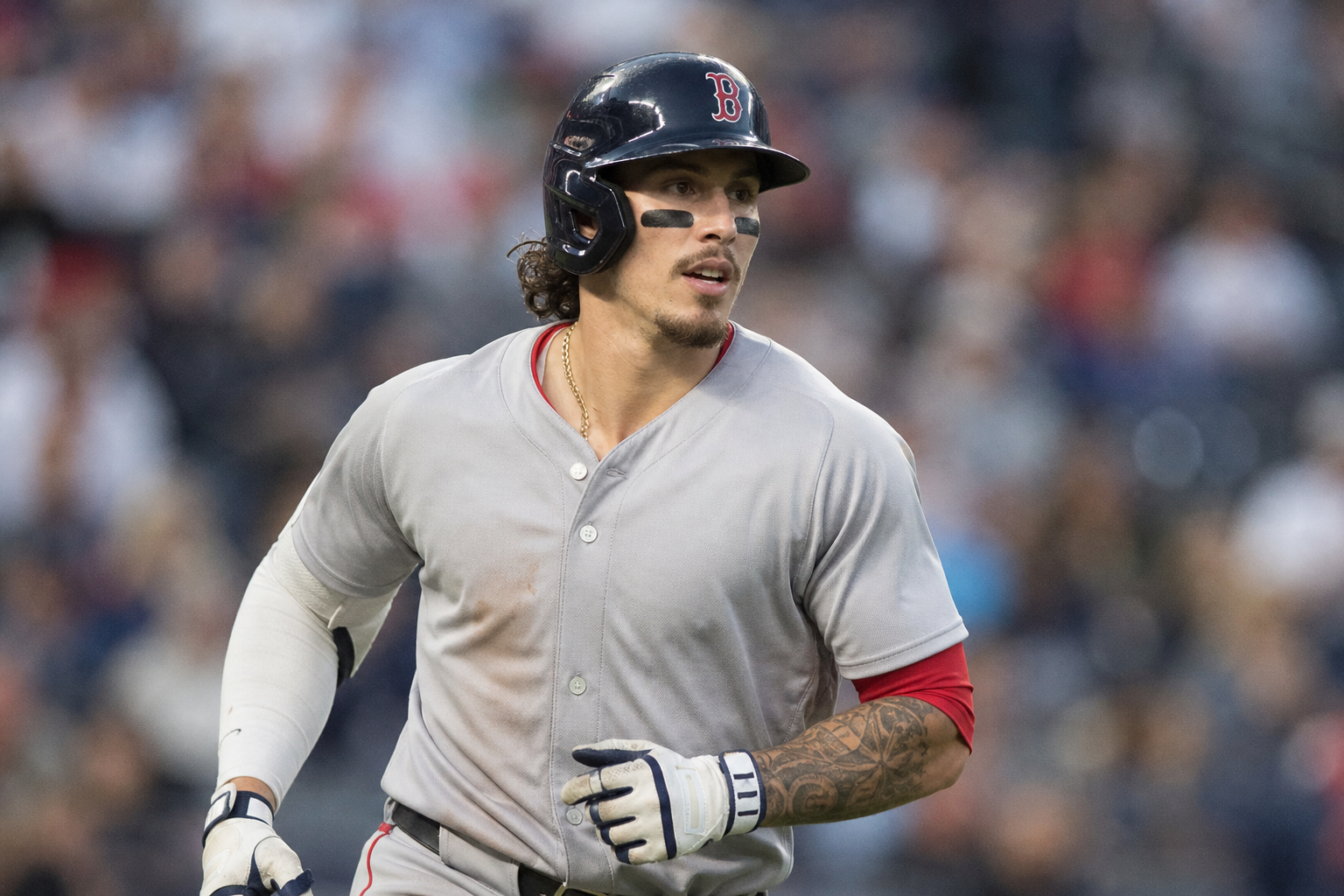
Of all the deals analysts flagged, one emerged with the clearest support. According to Arizona Sports, at least one ESPN expert specifically identified Jarren Duran as the trade the Arizona Diamondbacks should complete before the lockout begins.
Duran is a left-handed outfielder for the Boston Red Sox with elite speed and improving plate discipline — the kind of profile that plays in a hitter-friendly environment like Chase Field and addresses a gap in Arizona’s lineup that the organization hasn’t solved internally. He brings athleticism and on-base skills that contending teams covet, and Boston, for their part, has the outfield depth to consider moving a piece like Duran if the return is compelling enough.
The Diamondbacks have the prospect depth to make a credible offer. That structural logic — a clear fit, a potentially willing seller, and a buyer with real assets — is precisely what separates this from typical hot-stove noise. ESPN’s framing of this as the trade to make, not simply one option among many, signals analysts see genuine alignment on both sides of the deal.
Jim Bowden’s Pick: Ketel Marte Could Be on the Move
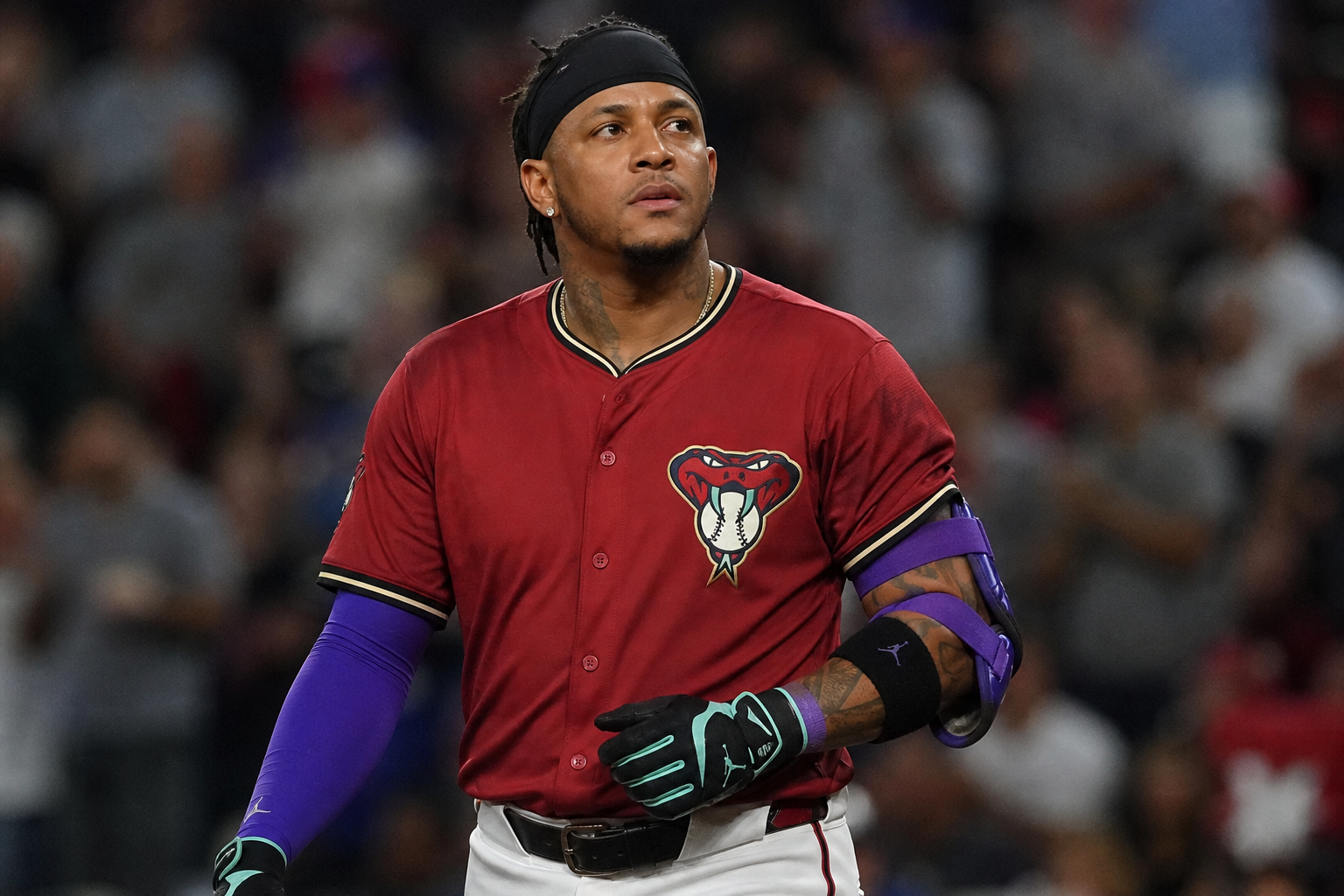
Former MLB general manager Jim Bowden brought a different kind of credibility to the conversation. In his breakdown of MLB stars who could be traded before a lockout deadline, Bowden identified Ketel Marte as one of the marquee names realistically in play.
Marte is a switch-hitting infielder and outfielder who posted one of the most eye-catching offensive seasons in recent Diamondbacks history. That proven upside — combined with his versatility across multiple positions — makes him the type of player contending teams pursue aggressively when the market opens.
Bowden’s perspective carries operational weight beyond standard broadcast analysis. As a former GM, he understands which trade conversations are exploratory and which have genuine momentum behind them. His inclusion of Marte in a pre-lockout context suggests the name has circulated in real front-office discussions, not just televised speculation.
A Marte trade would represent one of the highest-profile moves of the offseason, reshaping Arizona’s competitive posture while potentially netting a substantial prospect return — the kind of transaction that defines an organization’s direction for years.
FanSided’s Additions: Christian Walker and Shea Langeliers Enter the Picture
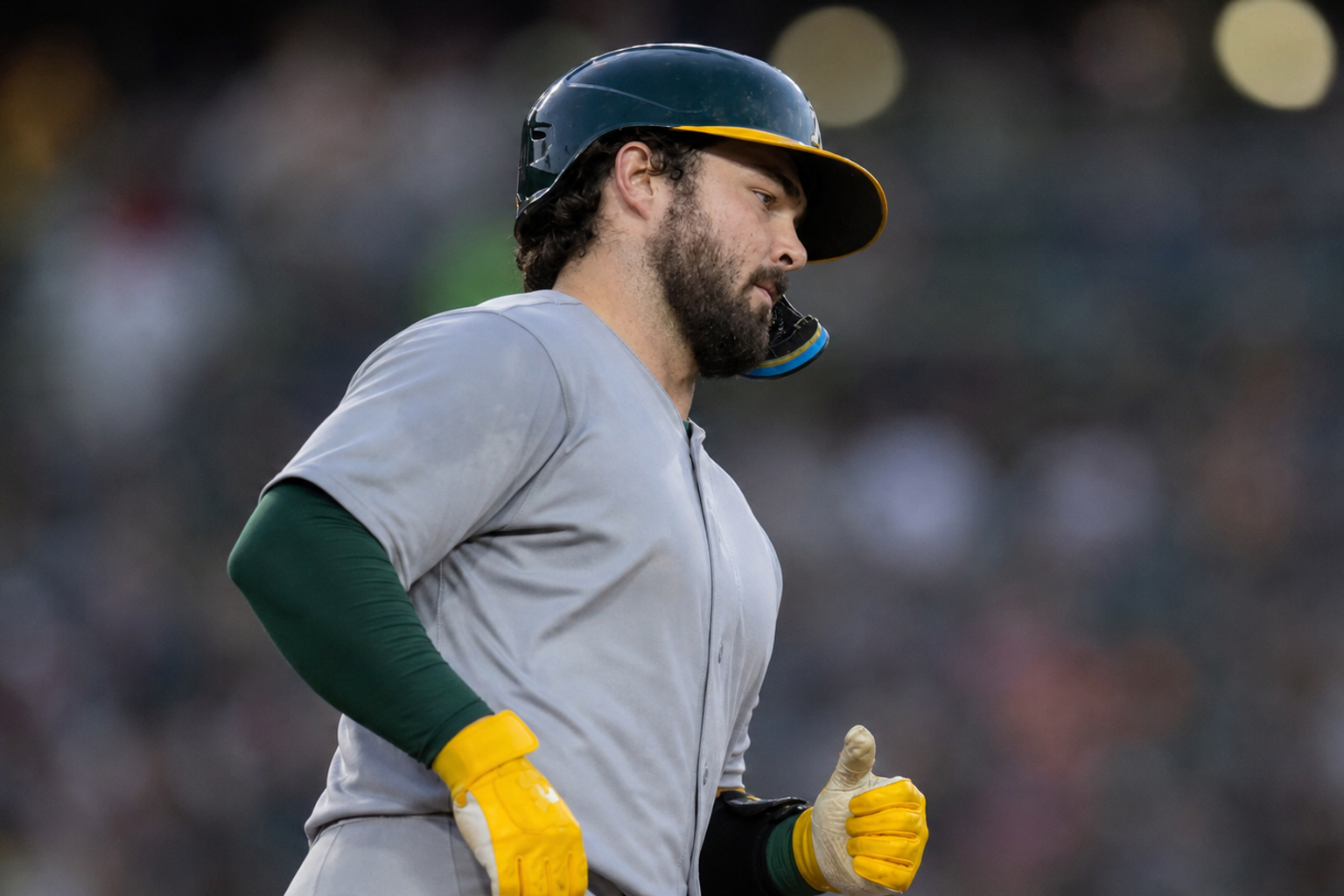
FanSided’s one-trade-per-team feature added two more names to the conversation and reinforced a pattern that keeps pointing back to Arizona.
On the buy side, FanSided suggested the Diamondbacks should acquire Christian Walker — an indication that Arizona’s front office has multiple lineup holes to address before the freeze.
On the sell side, FanSided flagged Athletics catcher Shea Langeliers as a trade chip the organization should move now rather than wait. Langeliers represents the kind of controllable, pre-arbitration talent — meaning he is years away from free agency and comes at a fraction of open-market cost — that contending clubs covet most in deadline scenarios. For a rebuilding Athletics team, moving Langeliers while demand is highest makes considerably more organizational sense than re-entering a crowded post-lockout market where every team is simultaneously chasing the same targets.
Why These Deals Fall Apart If Teams Wait
The urgency here isn’t manufactured drama. It reflects a genuine structural reality: the best pre-lockout trade opportunities don’t simply pause when a work stoppage begins. The conditions that made them attractive can dissolve.
Medical checks on players being acquired go on hold. Contract extension discussions, which sometimes accompany trades, become legally complicated under a lapsed CBA. Roster rules applied mid-deal may shift when a new agreement rewrites the terms. A deal that was 90 percent complete the day before a lockout may face entirely different conditions six months later when the market reopens — and the executives who were aligned may have moved on to other solutions entirely.
For Arizona specifically, adding a bat or an outfield piece before the freeze matters because spring training preparation isn’t something a team can fully improvise in the final weeks before Opening Day. Chemistry, positional alignment, and workload planning all depend on knowing who is actually on the roster. For Oakland, the competitive landscape shifts the moment the lockout ends and every team trades simultaneously — sellers who moved before the freeze rarely face the same supply-and-demand dynamics as those who waited.
What to Watch Before the Deadline
The most reliable signals will come from official MLB transaction wires and credentialed reporters — ESPN’s Jeff Passan and The Athletic’s Ken Rosenthal among the most plugged-in — who cover these discussions in real time. Any deal officially processed by MLB should be treated as a completed roster move. Anything described as “in talks,” “progressing,” or “close” remains unconfirmed until the transaction clears the league office.
The Diamondbacks’ front-office activity will be the clearest indicator of whether the ESPN consensus translates from expert opinion into actual roster change. If Duran, Marte, or Walker moves to Arizona before the lockout clock runs out, it validates the analytical framework analysts have been building throughout this offseason.
If no major deal closes and the freeze begins, expect this same list of names to headline the first wave of transactions executed the moment the market reopens — with the added complication that every other team will be competing for the same targets simultaneously, almost certainly at higher prices and with less negotiating leverage on both sides.