USA Racquetball uses multi-bounce rules to teach juniors in Des Moines

More than 180 junior players gathered in Des Moines, and USA Racquetball treated the weekend as more than a championship bracket. At the Wellmark YMCA, the federation used multi-bounce rules to put young athletes in a setting where rallies last longer, reads have to come sooner, and confidence can build before the game tightens up into its one-bounce form.
Junior Nationals as a teaching ground
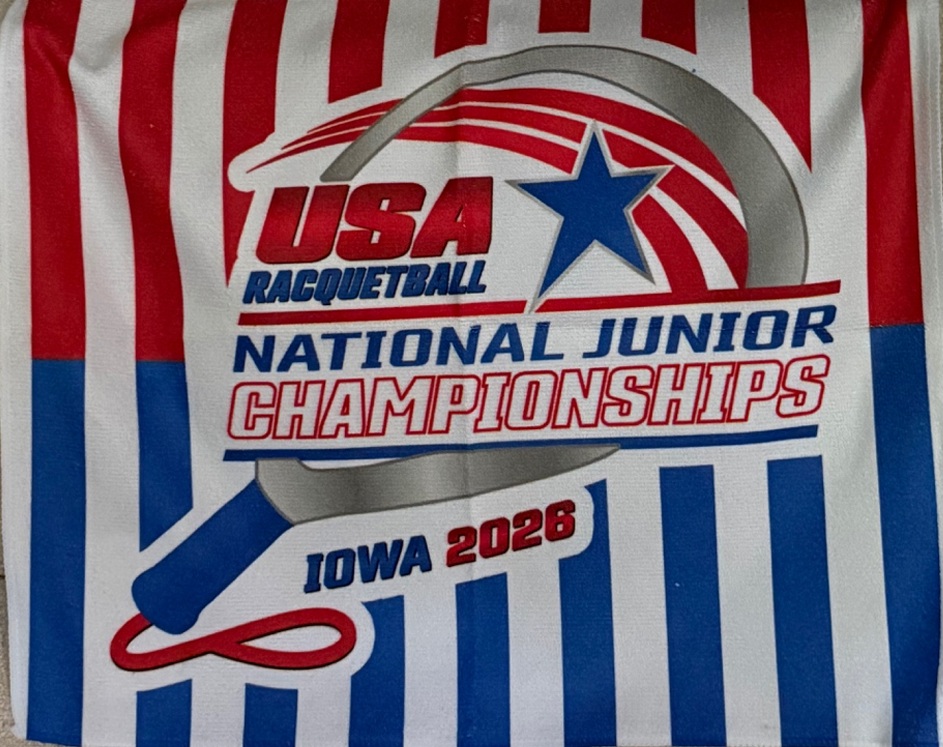
The 2026 USA Racquetball Junior National Championships ran June 24-28 at the Wellmark YMCA in Des Moines, Iowa, and the organization framed the event as a gathering of the nation’s top junior athletes. That scale matters. A tournament that draws more than 180 players is not just a showcase, it is a laboratory for how the sport wants to teach itself to the next wave.
This was also the 53rd annual Junior Nationals, which gives the event a deeper job than handing out medals. A championship that has lasted this long is part of the sport’s pipeline, and the 2026 draw size in the mid-teen brackets pointed to real participation where development usually gets fragile. When a junior event is healthy at that age, it says kids are not just trying racquetball, they are staying with it long enough to get better.
What multi-bounce changes on court

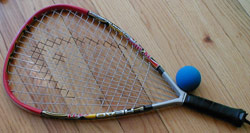
USA Racquetball places multi-bounce racquetball in Section 5 of the official rulebook, which is the federation’s way of separating it from the standard game without pretending it is a different sport. The basic rule is simple: the ball remains in play while it is bouncing, but the player still gets only one swing at it. That creates a wider window for contact without turning every rally into a free-for-all.
The appeal for juniors is obvious once you watch it in context. Younger players often need more time to track the ball, judge the angle, and get comfortable moving inside the box. Multi-bounce gives them that extra beat. It stretches rallies just enough to let them see success earlier, and in youth sports, early success is not cosmetic. It is often the difference between a player coming back next week and walking away after one frustrating tournament.
Why coaches keep leaning on simpler starts
Joshua Jones, USA Racquetball’s National Rules Commissioner and the author of the federation’s June 23, 2026 rules explainer, makes the developmental argument clear by contrast. Many youth coaches still prefer to teach standard racquetball rules even to very young players, which tells you the sport has never fully settled on one best entry point.
That tension is the point. Standard racquetball is the destination, but multi-bounce can be the on-ramp. Coaches who favor the simpler version see value in teaching the real game early, while USA Racquetball is using junior nationals to show that the sport can also be introduced through a softer first touch. The governing body is not hiding the complexity. It is making that complexity manageable.
For a young player, that means fewer dead rallies and more live-ball reps. A kid who can see the ball stay alive longer is getting more chances to develop clean mechanics, footwork, and decision-making under less pressure. That is not a gimmick. It is a teaching progression, and it fits a sport that can otherwise feel brutally fast for beginners.
What the Des Moines brackets say about retention
The large mid-teen draws in Des Moines matter because that is usually where youth sports lose momentum. Players are old enough to understand what is hard, but young enough to need a reason to keep pushing through the hard parts. A format that lengthens rallies and rewards contact can buy time for that reason to take hold.
ProRacquetballStats.com’s 2026 Junior Nationals recap called the turnout a promising sign for the future of tournament racquetball in the United States, and the bracket depth backs that up. Big draws at the middle of the age ladder suggest the sport is not only attracting first-timers, it is keeping enough of them around to build competitive fields. That is the retention story underneath the rules story.
USA Racquetball’s approach also raises a cleaner, harder question: is multi-bounce a bridge to the traditional one-bounce game, or a separate development philosophy that could split how juniors are taught? The answer may depend on the coach in the gym and the player on the court. But in Des Moines, the federation made its choice clear. It is using the rulebook as a coaching tool, not just a disciplinary code, and it is doing it at the age-group level where habits are still forming.
A pipeline built on learning the bounce
The best part of the setup is how practical it is. Junior Nationals already brings together the sport’s top young players, so USA Racquetball does not have to stage a separate lesson to explain the rules. The lessons are embedded in real matches, where a ball that stays alive a little longer can make the game less intimidating and more readable.
That is the real value of multi-bounce in Des Moines. It is not simply a modified rule set for the sake of novelty. It is a developmental tool aimed at helping kids progress into the full game with better timing, better confidence, and a clearer feel for what a rally should look like. For a sport that lives on turnover and technique, that is how you build the next generation: one longer rally at a time.