Wiffle Ball splits between backyard play and certified tournaments
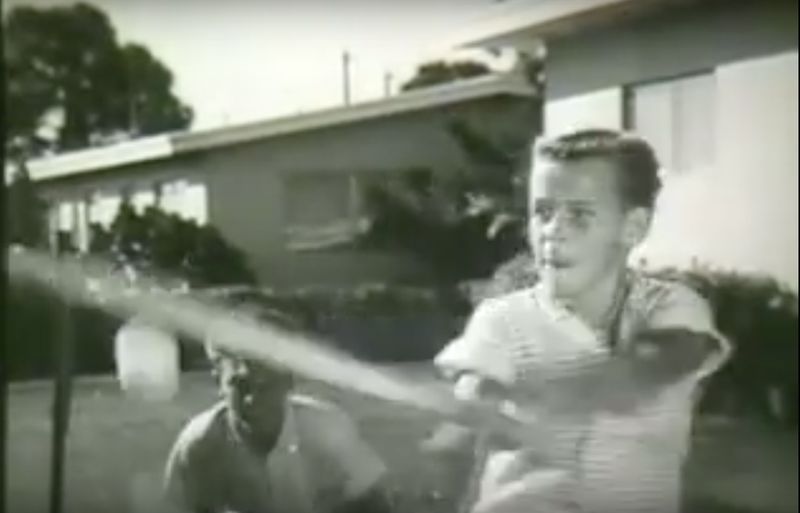
Wiffle Ball is no longer just a plastic ball and a broomstick in a driveway. It is the same game at its core, but it now splits cleanly between a loose backyard pastime and a certified tournament scene that asks for permission, standards, and repeatability. That divide is the story: legitimacy gives the sport a bigger stage, while informality is still what makes it feel like Wiffle Ball.
Two versions of the same game
The sport’s modern shape starts with a simple tension. The backyard version is still the one people recognize from cul-de-sacs and summer nights, where the point is to keep the game moving and the arguments casual. The certified version is more formal, built for organizers who want ranked fields, commercial events, and a product that can travel from city to city without changing every time a new group shows up.
The Wiffle Ball company draws that line itself. Its tournament registration materials say formal events using the WIFFLE brand and trademarks require permission and certification. That matters because the name is not just decoration, it is a standard the company controls, and anyone trying to build a larger event around it has to clear that gate first.
Why the brand gate matters
That gate makes more sense once you look at what a certification mark does. The United States Patent and Trademark Office says a certification mark is used to show that goods or services meet certain standards. In plain sports terms, that means the brand is doing more than identifying a ball or a logo. It is signaling that an event has crossed from casual imitation into something recognized, controlled, and meant to be consistent.
That consistency has a cost. Certification gives tournament directors a cleaner product and gives players a common rule set, but it also trims away some of the improvisation that made the sport iconic in the first place. Backyard Wiffle Ball can be invented on the spot. Certified Wiffle Ball has to be packaged, registered, and repeatable.
A game built for tight spaces
The split makes more sense when you go back to the beginning. Wiffle Ball originated in Fairfield, Connecticut, in 1953, when David N. Mullany set out to make a safer, more playable version of baseball for backyards and city streets. The Baseball Hall of Fame says his 12-year-old son, David A. Mullany, and a friend first improvised the game with a plastic golf ball and a broomstick handle.

The Strong National Museum of Play says Mullany removed the “h” from “wiff” and trademarked the name Wiffle in 1953. The company says that neighborhood word, “wiff,” was slang for a strikeout. That origin story still hangs over the sport today: the whole point was to replace baseball, stickball, and softball in cramped spaces, not to build a polished competitive circuit.
The official game rules preserve that identity in one sentence that says plenty about the design. The ball is made of tough rubbery plastic and cannot be thrown or hit very far. That limitation is not a flaw. It is the engine of the game, the reason a backyard can feel like a ballpark and a bad swing can still turn into a whole argument.
What the backyard game still gives you
The loose version of Wiffle Ball still wins on accessibility. You do not need a full field, a deep equipment bag, or a commissioner’s approval. You need a bat, a ball, a little room, and enough imagination to turn whatever space you have into a diamond.
That accessibility is also why nostalgia keeps pulling people back. The Ringer noted in 2019 that competitive Wiffle Ball had boomed for adults over the previous decade, but the reason it resonated was not just competition. It was memory. The game still carries the feeling of being made up by the neighborhood, even when the talent level gets serious.
What the certified game adds
The organized side gives the sport something the backyard side never has to worry about: credibility. The World Wiffle Ball Championship says it was formally organized in 1980 in Mishawaka, Indiana, and its rules use MLB rules with specified exceptions. Its championships also enforce strict sportsmanship standards, including immediate removal for unsportsmanlike conduct at the tournament director’s discretion.
That kind of structure changes the experience. It makes travel tournaments possible. It gives players a shared rulebook. It also creates the kind of environment where a league can build a real schedule, a real championship, and a real audience instead of a one-off gathering that disappears after the final out.
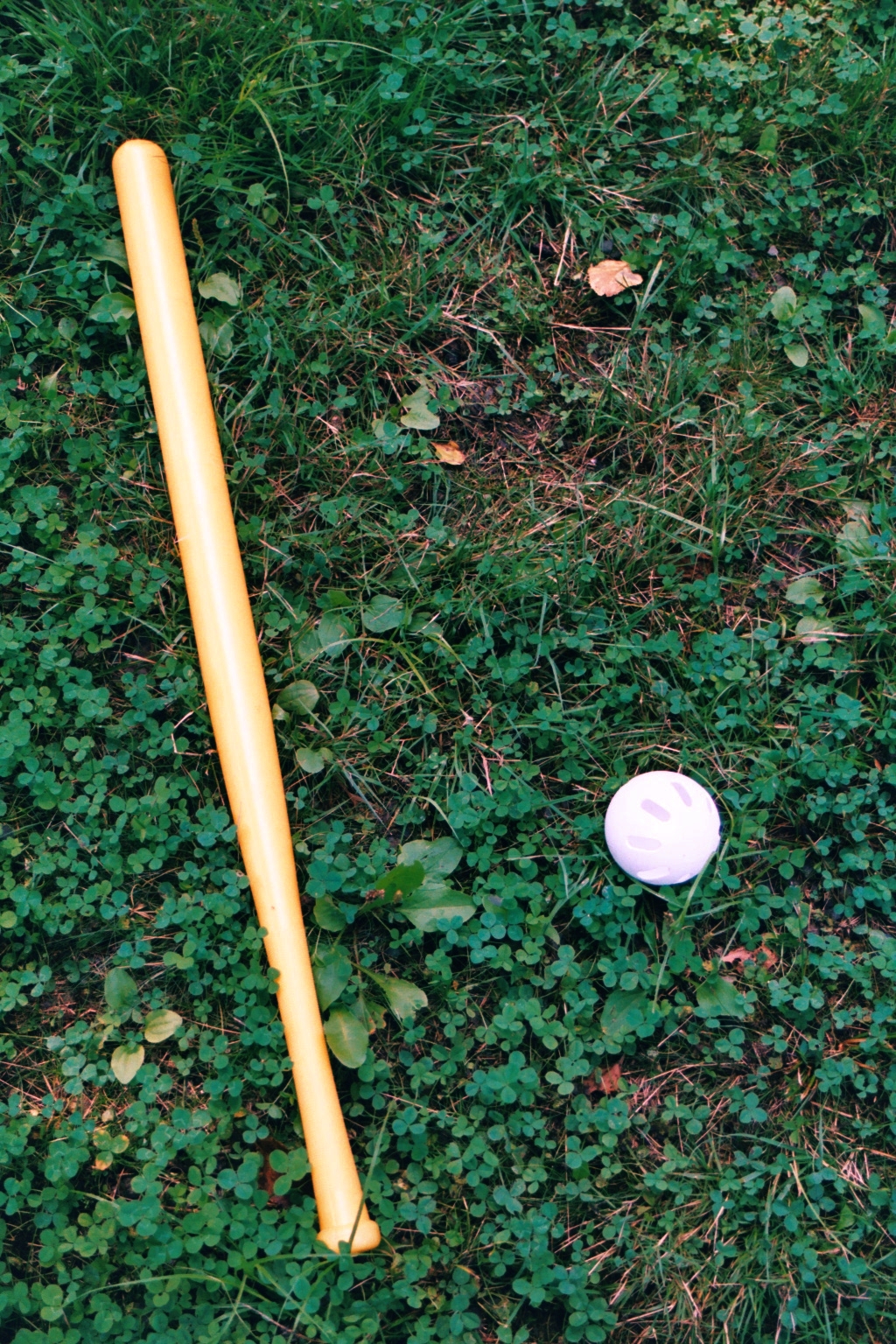
The business side has grown with it. The Wiffle Ball company says it manufactures more than a million balls each year, which is a reminder that the sport is no longer just a backyard oddity. It is an ongoing business built around a brand that people recognize far beyond Fairfield.
The new league landscape
Modern leagues have pushed the sport even further into organized territory. Big League Wiffle Ball says it is America’s first professional Wiffle Ball league and features 10 professional teams. Backyard Rule has run outdoor Wiffle Ball tournaments since 2015. Those are different models, but both prove the same point: the sport now has enough gravity to support recurring competition, not just summer pick-up games.
Local traditions matter too. The Hometown Cup and the New Carlisle Wiffle Ball Hall of Fame show how regional tournaments have developed their own rituals, trophies, and weekend identities. That is the other side of professionalization. The sport gets more legitimate, but it also risks becoming less homemade, less accidental, less open to the kind of rules you make up between innings.
What gets gained, and what gets lost
That is the fork in the road. Certification, rankings, and formal events bring order, recognition, and a path for competitive players to measure themselves against something real. They also pull Wiffle Ball farther from the garage, the alley, and the loose arguments that made it special.
The backyard game protects the soul of the sport. The tournament game protects its future. Wiffle Ball will keep living in both places, and the balance between them will decide whether it stays a neighborhood memory or becomes a lasting competitive language.
Sources
- [1]sportscroll.com
- [2]wiffle.co
- [3]uspto.gov
- [4]baseballhall.org
- [5]museumofplay.org
- [6]worldwiffleball.org
- [7]theringer.com
- [8]scottsdalevibes.media
- [9]ondecksports.com
- [10]hometowncup.com