On the last day of 1988, an NFL playoff game disappeared into the fog — literally. What unfolded at Chicago’s Soldier Field between the Bears and the Eagles was so strange, so visually surreal, and so stubbornly allowed to continue by the officials that it has never left the collective memory of anyone who watched it. Ten distinct facts explain exactly why the Fog Bowl still matters.
1. New Year’s Eve 1988: An Unlikely Stage for History
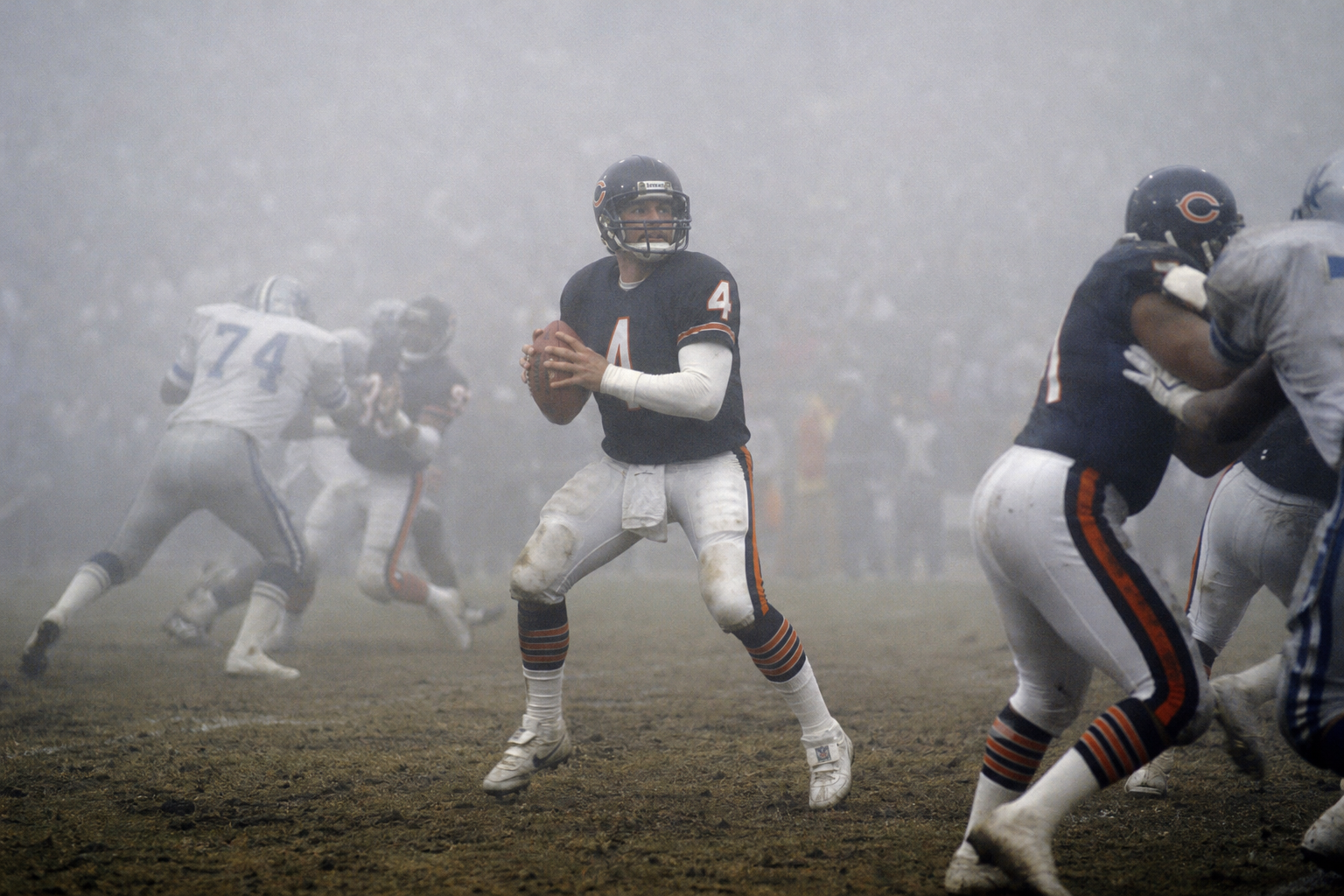
The Fog Bowl was played on December 31, 1988 — the final day of the year — which gave an already high-stakes NFC Divisional playoff game a genuinely eerie, decade-closing quality. There is something fitting, in retrospect, about the 1980s ending not with a clean highlight reel moment but with a game that could barely be seen.
Soldier Field’s position directly on the Chicago lakefront made the venue uniquely, almost perfectly vulnerable to what was about to happen. The stadium offered almost no shelter from whatever Lake Michigan decided to send its way, and on that particular New Year’s Eve, Lake Michigan had a great deal to say.
2. Lake Michigan Was the Unlikely Villain

The fog was not a random weather event — it was the product of a specific meteorological collision. Cold air sitting over Lake Michigan was pushed by a breeze into the warmer air mass hovering over Soldier Field, and the resulting condensation produced a dense, low-lying fog that had nothing random about it. The National Weather Service’s detailed account of the event explains precisely how the lakefront setting proved so decisive.
Because Soldier Field sits with almost no geographic buffer between its playing surface and the lake, the fog rolled in directly and densely, with nowhere to dissipate. Any stadium further inland might have been spared entirely; this one was not.
3. The Fog Arrived Mid-Game, Not at Kickoff

Conditions were clear enough at kickoff for a normal game to begin, and both teams set their opening strategies accordingly. It was not until midway through the second quarter that heavy fog began engulfing the field in earnest — a timing detail that is easy to overlook but genuinely important.
By the time visibility collapsed, the game was already well underway. Coaches had made personnel decisions, quarterbacks had read defenses, and the game had taken on a distinct shape — all under normal conditions. The fog did not define the game from the start; it invaded it. That made the disorientation that followed even more acute for everyone inside the stadium, because there was a clear before to contrast against the murky after.
4. Officials Never Came Close to Stopping Play

Despite fog so thick that players, coaches, and broadcasters could barely see across the field, NFL officials never seriously considered suspending or halting the game. There was no extended discussion on the field, no consultation with the league office that resulted in a stoppage, and not a single official timeout was called for visibility concerns across the entire second half. Accounts of the game confirm that the decision to play on was not a close internal call — it was effectively a non-decision.
That makes it one of the most consequential non-decisions in playoff officiating history. The officials applied existing rules, which contained no meaningful provision for fog, and the game went to its full conclusion. Whatever one thinks of that choice, it is what turned an unusual afternoon into a permanent piece of NFL folklore.
5. Broadcasters Were Describing a Game They Could Not See

The television crews assigned to cover the game found themselves in an almost absurd professional situation: attempting to call a live playoff game in conditions that made the field of play nearly invisible from the broadcast booth. Play-by-play announcers were reduced to describing action they could not reliably track, relying on context, field position, and whatever fragments of movement were still visible through the murk.
What made the broadcast genuinely unprecedented was that it did not try to hide the problem. Commentators acknowledged openly what viewers at home could see on their own screens — which was, essentially, almost nothing. It became a live sports broadcast that turned, in real time, into a meditation on the limits of live sports broadcasting itself.
6. ‘Steam from the Bowels of Hell’
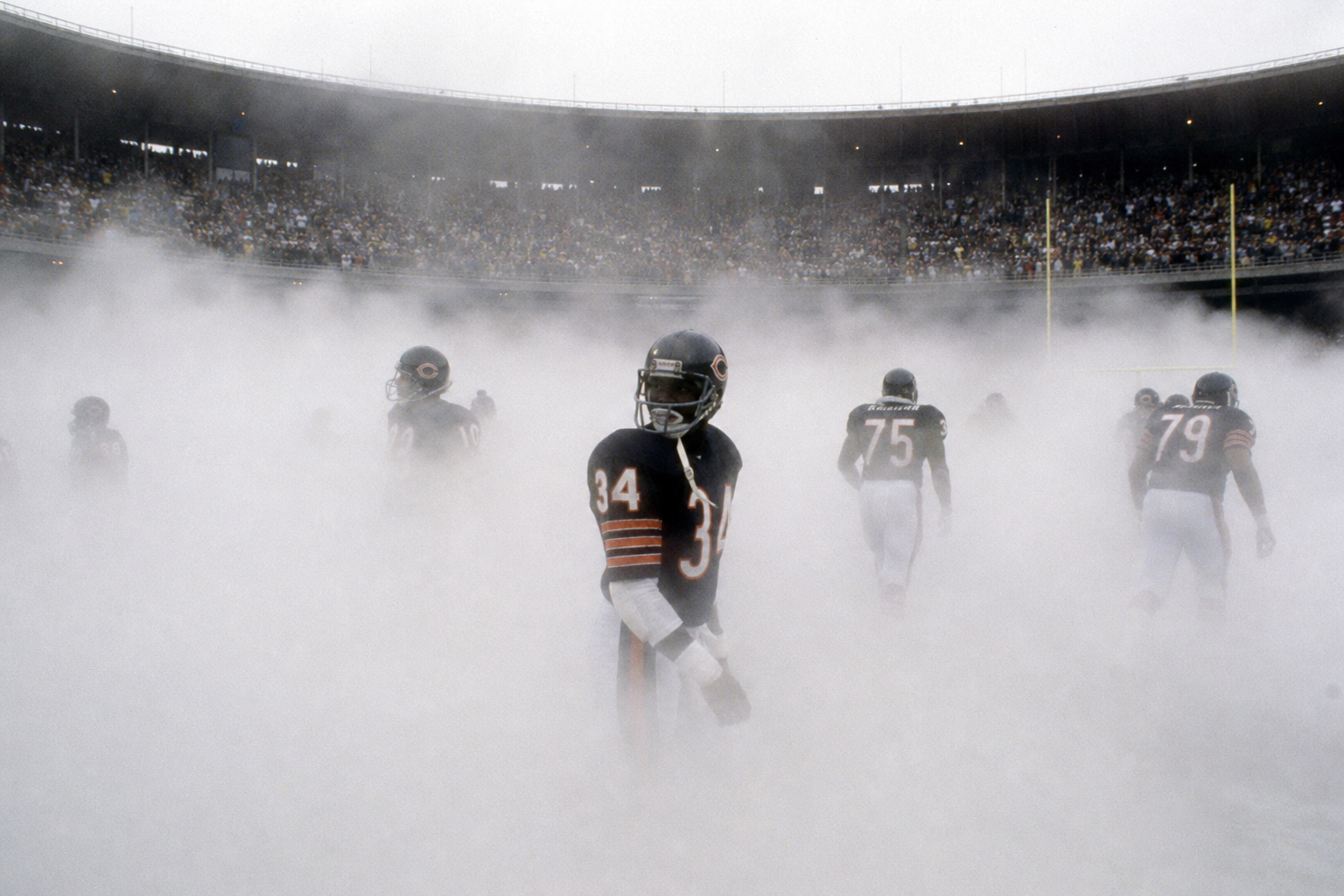
The conditions inside Soldier Field that afternoon prompted at least one observer to describe the fog as looking like “steam from the bowels of Hell” — a phrase that has since become inseparable from the game’s identity. The Chicago Tribune’s retrospective on the Fog Bowl preserves the phrase and the atmosphere it was trying to capture.
What makes the description stick is not just its color but its accuracy. The fog was not a thin, atmospheric haze — it was dense, ground-level, and disorienting in a way that people present compared to something more elemental than ordinary weather. That the phrase entered the game’s mythology so quickly says something about how genuinely extreme the conditions felt to those who were actually there.
7. The Most Surreal Photos in NFL Playoff History
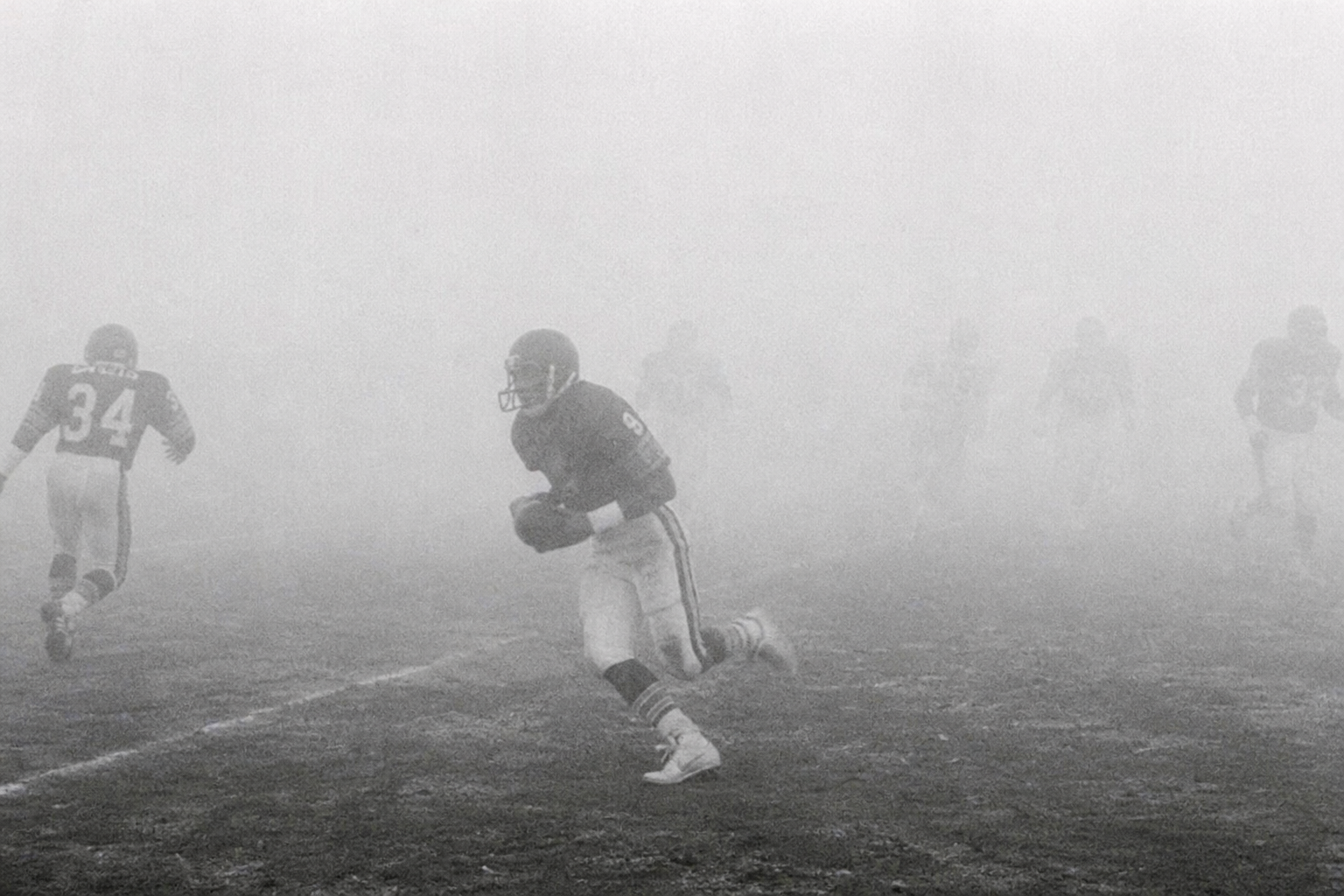
The fog produced a set of photographs unlike anything else in the NFL postseason archive. The NFL’s own photo collection from the game shows players reduced to silhouettes, yard lines disappearing into white murk, and referees visible only from a few feet away — images that look more like avant-garde art than sports photography.
None of these images involve artistic effects or post-processing of any kind. They are straight documentary photographs of an active playoff game, taken by working sports photographers under impossible conditions. That is precisely what makes them so striking as historical artifacts: the camera was not trying to make something strange look stranger. It was simply recording what was there.
8. Chicago Won — But the Score Felt Almost Secondary
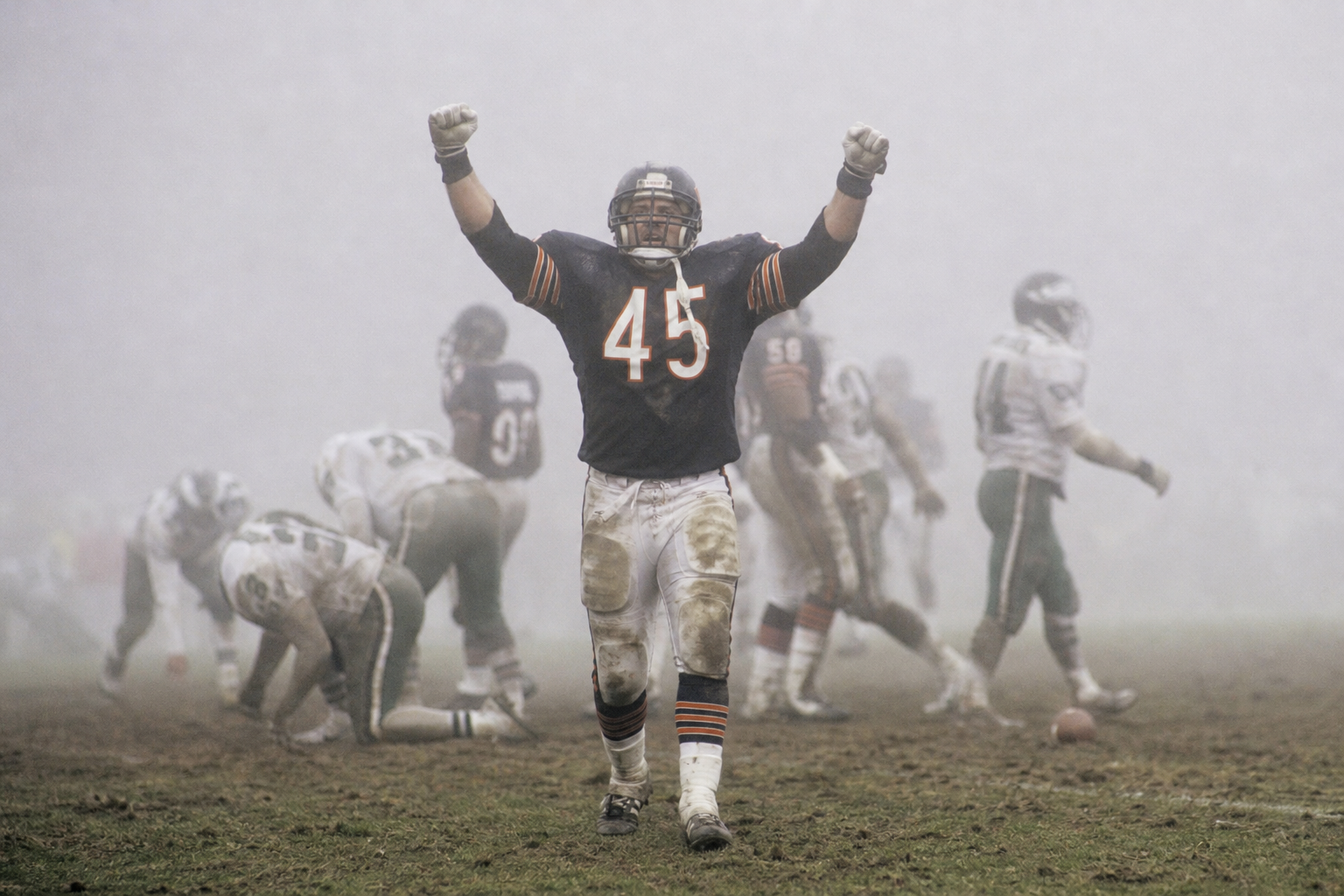
Chicago defeated Philadelphia 20–12, a result that sent the Bears to the NFC Championship Game and ended the Eagles’ season. The final score is a verifiable fact of the 1988 NFL playoffs — but on the day itself, and in the decades since, the number has often felt like an afterthought to the conditions under which it was produced.
That said, the margin matters. Eight points is not a blowout — it is a genuinely competitive playoff result, the kind where specific plays, turnovers, or drives could plausibly have changed the outcome. A game decided by that margin, played in near-zero visibility, is a legitimately contested football game obscured by extraordinary weather, not a walkover that the fog merely made more dramatic.
9. A Participant Called It ‘The Weirdest Day of My Football Life’
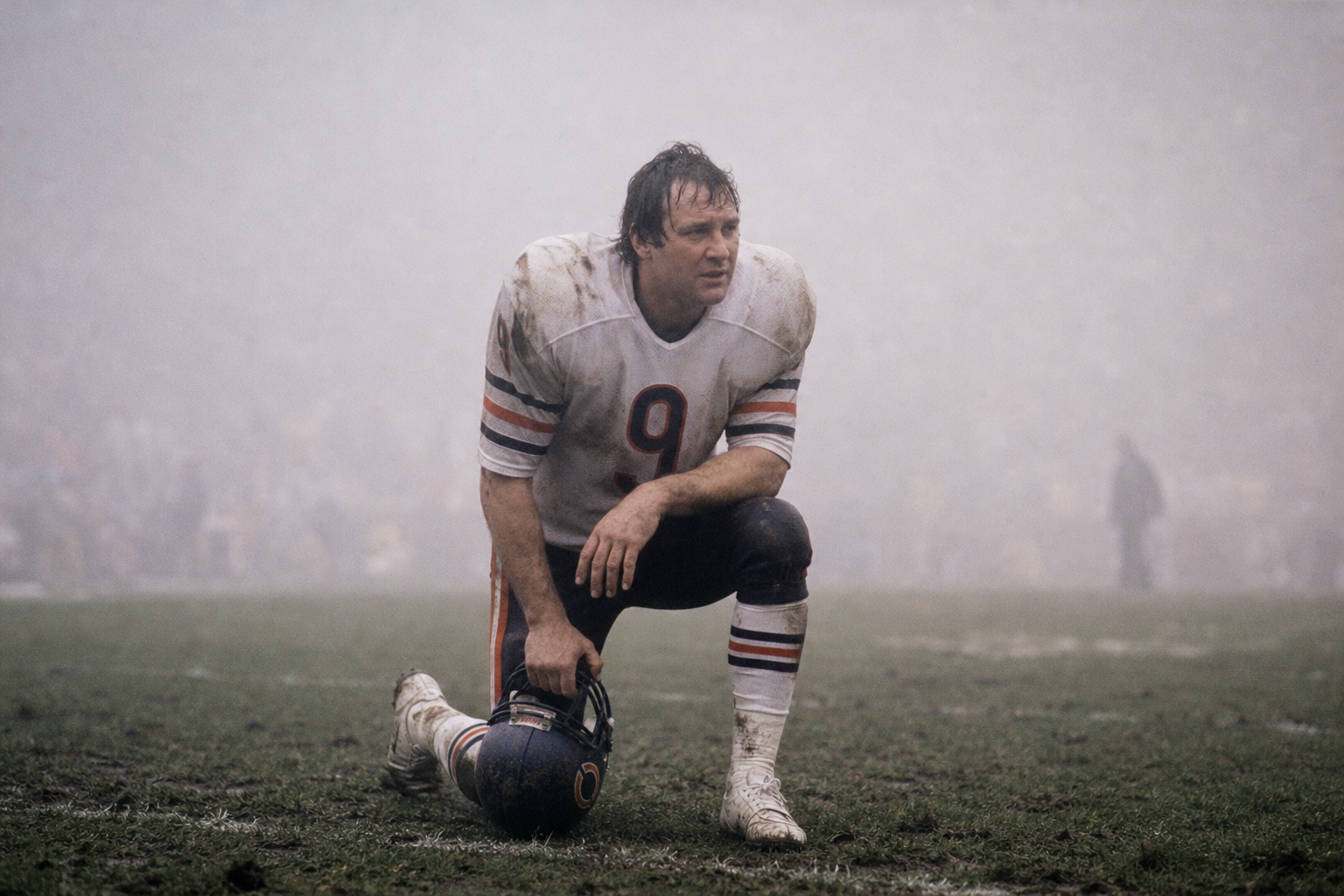
At least one participant described the experience as “the weirdest day of my football life” — a phrase that carries real weight when you consider what a professional NFL career actually encompasses. The men who played in this game had endured Chicago winters, postseason pressure, and the full range of physical punishment the sport delivers. They had played in cold, rain, and wind. And yet “weirdest” was still the word that fit.
The choice of descriptor is telling. Not “hardest,” not “coldest,” not “most intense” — weirdest. It suggests that the fog created a category of experience that existing football vocabulary did not quite cover: something genuinely outside the normal range of even a veteran professional’s frame of reference.
10. The Fog Bowl’s Permanent Place Among the Strangest Playoff Games Ever
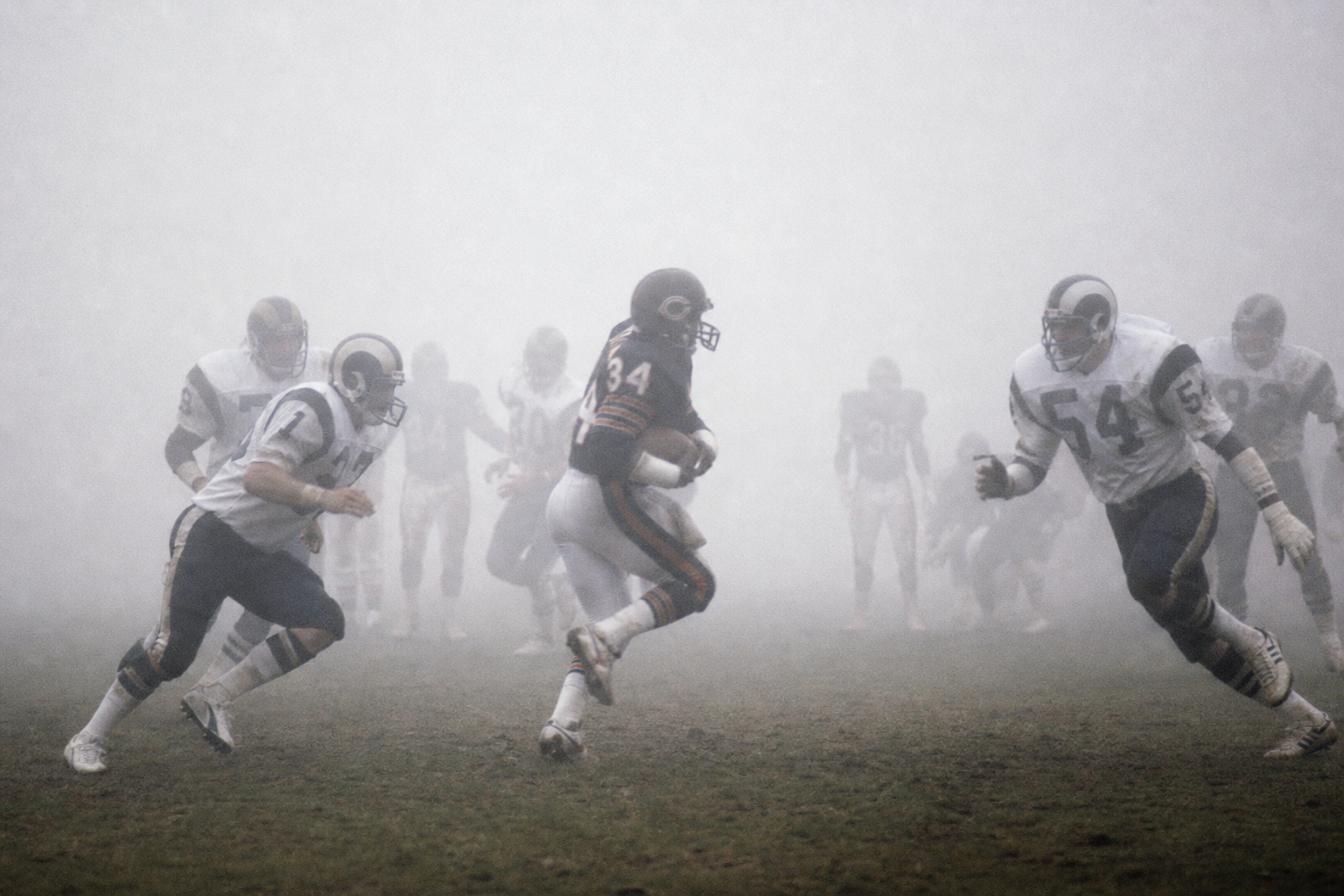
Decades on, the Fog Bowl is consistently cited by historians, broadcasters, and former players as one of the most bizarre and unforgettable moments in NFL postseason history. What is notable about its staying power is the specific reason for it: the game contains no famous last-second play, no controversial officiating decision, and no transcendent individual performance that people are still debating. It endures purely because of what the weather did to a regulation playoff game — and because the league let that game finish anyway.
Its canonical status rests on a fact that is almost absurdly simple: two NFL teams played a consequential postseason game that neither sideline, the officials, the press box, nor the television audience could fully see. That combination of the mundane and the surreal is, ultimately, what keeps the Fog Bowl in a category entirely its own.
More than thirty-five years later, the Fog Bowl remains the rare sports event that needs almost no embellishment. The documented facts are strange enough on their own — and the photographs prove it every time someone stumbles across them for the first time.