On April 15, 1947, Jackie Robinson walked onto Ebbets Field carrying the weight of a civil rights movement on his shoulders — and, as the full historical record now shows, a stack of death threat letters that his teammates quietly absorbed and almost never discussed with the press.
The Weight of April 15, 1947
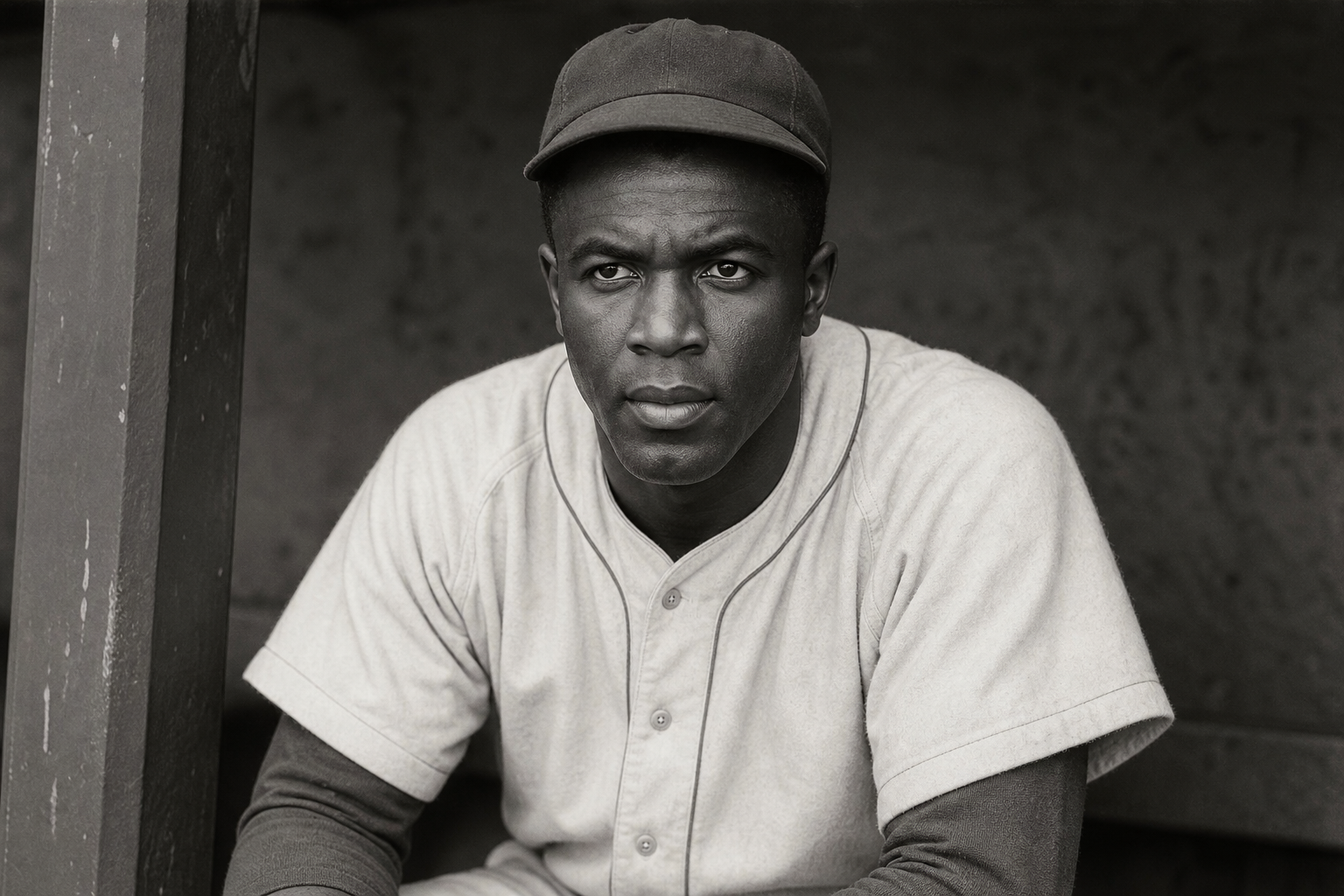
Robinson’s debut with the Brooklyn Dodgers on April 15, 1947 made him the first African American to play in Major League Baseball’s modern era. The moment carried a significance that dwarfed any box score — but Robinson, characteristically, focused on the work anyway.
He was 28 years old, older than the typical rookie. That age came with hard-earned context: Robinson had already served in the U.S. Army, faced a court-martial for refusing to move to the back of a military bus (he was acquitted), and starred for the Kansas City Monarchs in the Negro Leagues. This was not innocence stepping into the spotlight. It was experience, discipline, and controlled fury.
Robinson went 0-for-3 at the plate that opening day. What the headlines largely skipped over was that he handled all 11 of his fielding chances without a single error — a measure of professional composure under a level of scrutiny no player before or since has faced on a debut. The symbolism dominated the coverage. The competence was quietly evident to anyone paying attention.
What newspapers did not print that spring was more revealing. Robinson had received credible written death threats targeting him specifically, with some correspondence serious enough to involve law enforcement. His teammates knew. Most of them said nothing to reporters — a collective silence that shaped the public understanding of that season for decades.
The Petition That Almost Ended It Before It Started
Before Robinson played a single inning of Major League Baseball, a group of his own Brooklyn Dodgers teammates circulated a petition refusing to take the field alongside him. The revolt was documented and led primarily by players from Southern states, as biographer Arnold Rampersad detailed in Jackie Robinson: A Biography (1997).
Dodgers general manager Branch Rickey and manager Leo Durocher moved swiftly to shut it down. Durocher reportedly gathered the team and made clear in explicit terms that Robinson was going to make them all money — and that anyone unwilling to accept that was free to leave. The petition collapsed. The resentment did not, at least not immediately.
Critically, the petition never became public during the 1947 season. Players who had signed it had no interest in volunteering that information to beat reporters. Robinson himself, under strict instructions from Rickey not to retaliate or complain publicly, said nothing. This internal fracture is one of the most underreported facts about the 1947 season: the barrier Robinson broke was not just external. It ran straight through his own clubhouse.
The Threats Robinson Played Through
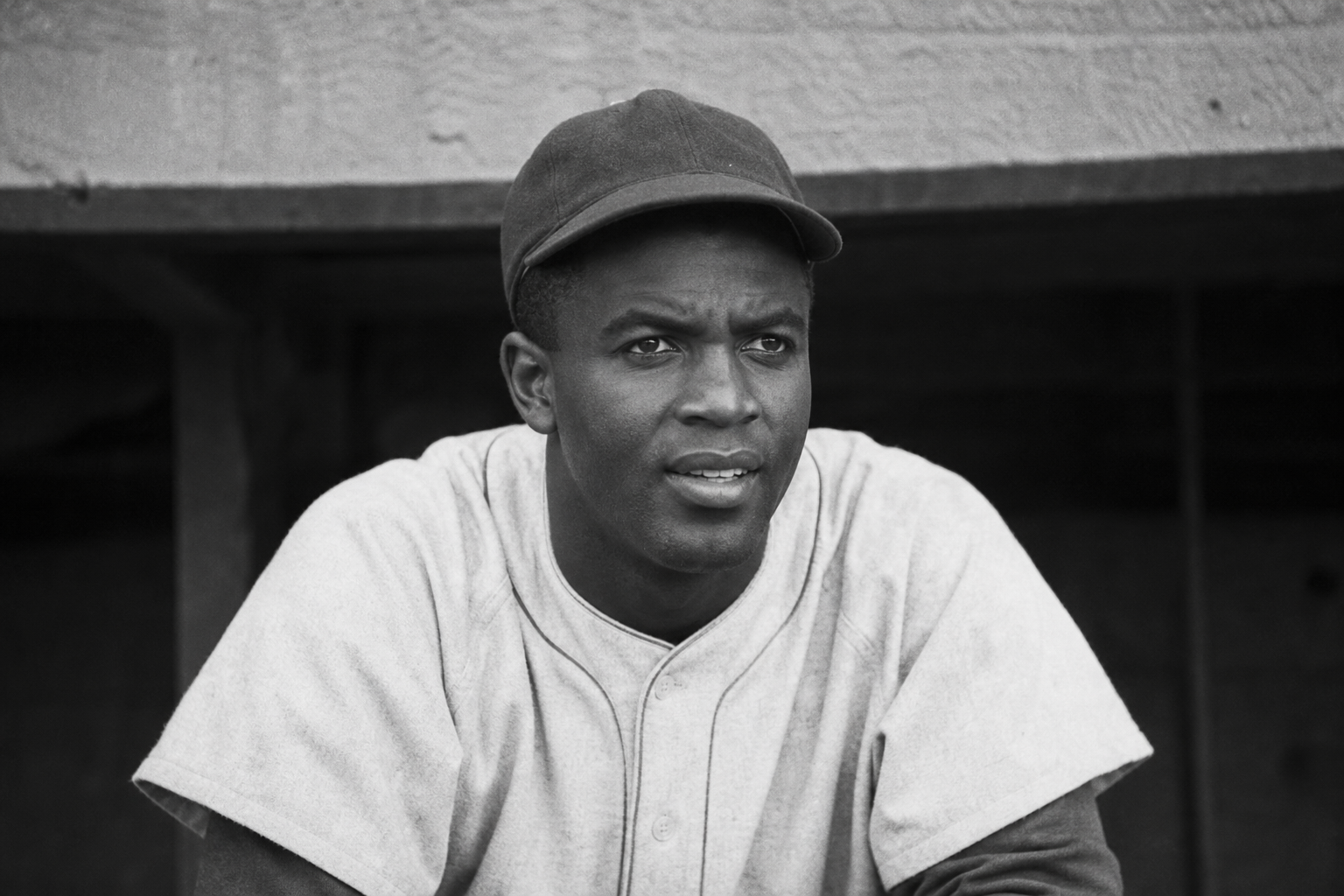
During the 1947 season Robinson received written death threats, including at least one letter threatening to shoot him during a game. These threats were documented by the FBI, which maintained a file on Robinson, and have been confirmed through reporting by The New York Times and multiple Robinson biographies.
The Philadelphia Phillies series in April 1947 became one of the season’s most notorious episodes. Manager Ben Chapman directed sustained, explicit racial abuse at Robinson from the opposing dugout — abuse that shocked several journalists present, though the full ugliness was softened or omitted entirely in many contemporary newspaper accounts. The sport’s mainstream press operated with its own set of filters.
Robinson described his interior experience of that season in his 1972 autobiography I Never Had It Made, writing that there were moments when he wanted to respond physically to the abuse but held back because he had given Branch Rickey his word to endure the first two years without public retaliation. That restraint was not passivity. It was strategy, and it cost him something real.
His teammates’ public silence on the threats was partly protective and partly self-interested. Drawing press attention to assassination threats targeting Robinson would have forced Major League Baseball to address segregation’s violence on the official record — something the league’s leadership was not prepared to do.
The Teammates Who Did Stand Up — Quietly
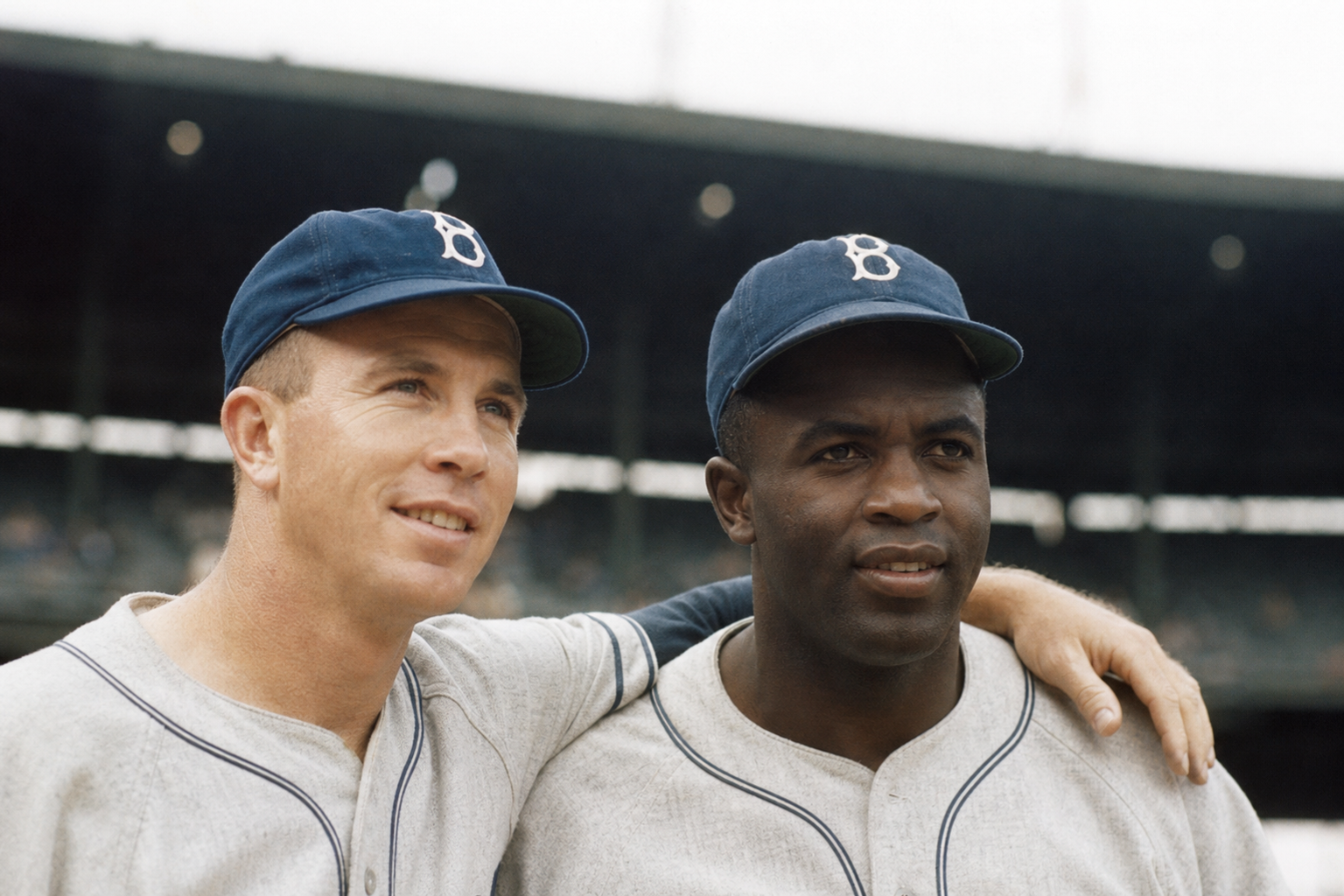
Not every Dodger stood at a distance. Shortstop Pee Wee Reese, a Kentucky native who had not signed the petition, famously placed his arm around Robinson’s shoulder during a game in Cincinnati — a gesture witnessed by fans and later confirmed by both men, though historians have noted that the precise date remains disputed.
Second baseman Eddie Stanky verbally confronted Philadelphia’s Ben Chapman during the Phillies series, telling the opposing dugout to pick on someone who could fight back. It was one of the few documented instances of a Dodgers teammate openly defending Robinson during a game in that first season.
By mid-season, several Dodgers players had quietly begun sitting near Robinson in the dugout and sharing meals with him on road trips. These acts of solidarity generated no headlines. They were noted years later in oral histories collected by the Baseball Hall of Fame. Small gestures, real consequences: Robinson’s growing clubhouse support helped stabilize the team dynamic as the Dodgers pushed toward the National League pennant — which they won that fall before losing the World Series to the New York Yankees.
What the 1947 Numbers Actually Show
Strip away the history and look at the statistics alone, and the rookie season still holds up. Robinson finished 1947 with a .297 batting average, 12 home runs, 48 RBIs, and a league-leading 29 stolen bases. That production earned him the inaugural MLB Rookie of the Year Award — a prize that had not previously existed in its modern form.
The 29 stolen bases were not incidental. They reflected the aggressive, disruptive baserunning style Robinson had developed with the Kansas City Monarchs in the Negro Leagues, a style that forced opposing pitchers and catchers to change their rhythms mid-game. It was pressure applied through speed, and it worked.
The Dodgers finished with 94 wins and the National League pennant. Even Robinson’s internal critics could not argue, based on the standings or the stats, that he had cost the team. He went on to make six consecutive All-Star appearances, from 1949 through 1954, with his peak seasons arriving after the worst of the death-threat years had passed.
Why the Press Missed — or Buried — the Full Story
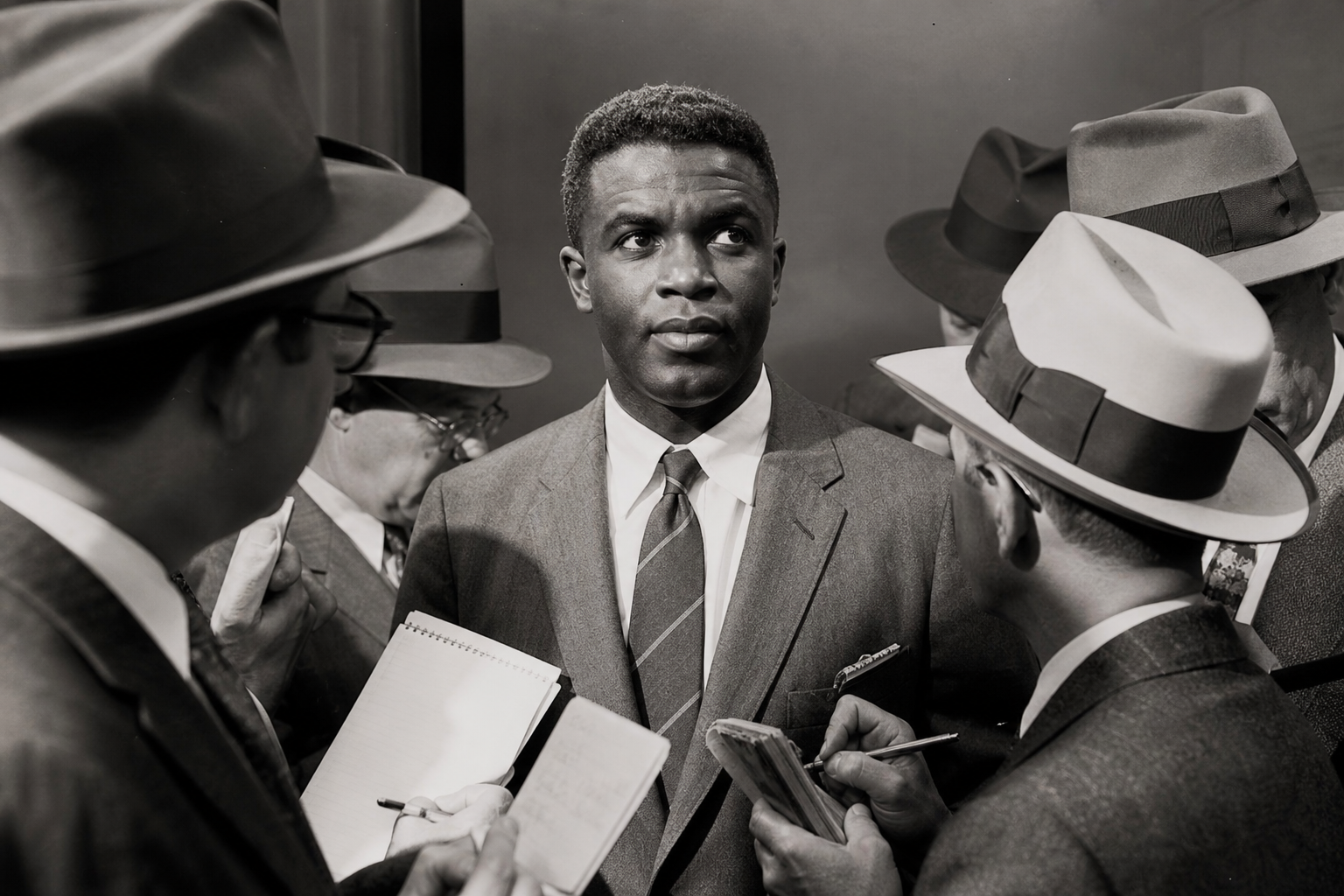
Beat reporters in 1947 worked in an environment where their sources were almost exclusively white players, white coaches, and white front-office staff. None of those sources had a structural incentive to elevate the degree of threat and hostility Robinson faced, because doing so would have implicated the sport’s power structure directly.
Robinson himself could not speak freely. Under the terms of his arrangement with Rickey, he was constrained from discussing abuse, threats, or internal team conflicts publicly during 1947 and 1948. The primary witness was, in effect, contractually silenced.
Several Black newspapers — including the Pittsburgh Courier and the Chicago Defender — reported the racial abuse and the hostile atmosphere more candidly than the mainstream press. Those accounts were not treated as the authoritative record by the white sports media establishment of the era. They should have been.
The death threat letters, the FBI involvement, and the full scope of the teammate petition only entered the mainstream historical record decades later, through biographies, declassified documents, and Robinson’s own memoir, published in the year he died. Robinson died of a heart attack on October 24, 1972, at age 53. He said publicly that the stress of the 1947 season — the isolation, the threats, the enforced silence — contributed to health problems that shortened his life.
What 1947 Actually Built
MLB officially retired Robinson’s number 42 across every franchise on April 15, 1997 — the only universally retired number in the sport’s history. April 15 is now designated Jackie Robinson Day, observed annually with all players wearing 42. Robinson won one World Series ring, with the Dodgers, and was inducted into the Baseball Hall of Fame in 1962.
But the lasting evidence of the 1947 season is structural. Within a decade of his debut, the demographic composition of Major League Baseball had changed permanently. The documented facts of that first season — the death threats, the internal petition, the FBI file, the deliberate suppression in mainstream coverage — are not footnotes to breaking the color barrier. They are the actual content of what that barrier was made of, and what it took to dismantle it.