On a Friday that was supposed to be routine — bags packed, boarding passes pulled up, game prep underway — NFL officiating crews found themselves grounded alongside the rest of the country when the FAA issued a nationwide ground stop that froze air travel and forced the league into a mid-week scramble it had no clean playbook for.
What Happened: An FAA Ground Stop Hits at the Worst Time

The FAA’s nationwide ground stop halted departures at airports across the United States on Friday, triggering cascading delays and cancellations that rippled through every sector of commercial aviation. For most travelers, it meant missed connections and rebooking nightmares. For the NFL, the timing was acutely disruptive in a way that few outside the league’s operations department would immediately appreciate.
Friday is not a neutral travel day on the NFL calendar. It is the standard departure window for officiating crews, who fly from their home cities to their assigned game locations ahead of Sunday kickoffs. When those flights stopped, so did the league’s standard Week 10 officiating logistics — and rerouting or rebooking flights was not a viable short-term fix when essentially every major airport in the country was affected simultaneously.
The scope of the disruption forced the NFL to pursue a fundamentally different solution. The league confirmed it adjusted its officiating assignments for Week 10 as a direct result of the ongoing nationwide air travel impact, making changes that would normally be unthinkable this close to game day.
The NFL’s Response: Three Officials Reassigned, Driving Distance the New Rule
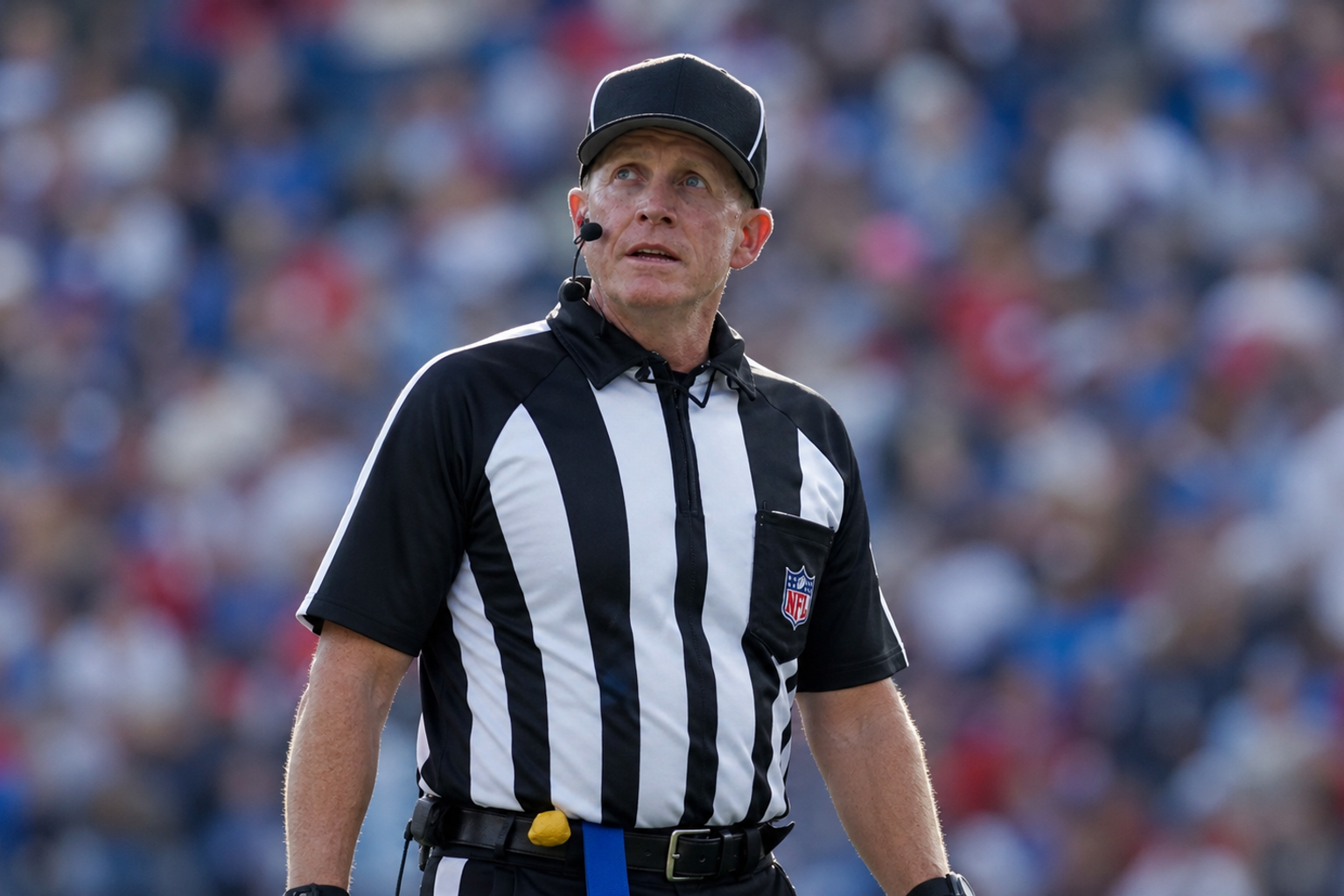
The league’s fix centered on geography. Rather than waiting for air travel to recover — a gamble with no guaranteed timeline — the NFL reassigned three officials to Week 10 games within driving distance of their home locations, cutting the dependency on commercial flights entirely. If a crew member couldn’t fly to their assigned game, the question became: what game can they reach by car?
Alongside those reassignments, the NFL activated backup referees — officials who serve as the league’s contingency layer for exactly these kinds of disruptions — and slotted them into games closer to where they were already located. Backup officials were reassigned to work games closer to home, a move that kept certified officiating personnel on the field without requiring any of them to navigate a broken air travel system.
The most striking illustration of how far the league had to stretch its officiating depth: referee Don Willard was assigned to work two Sunday games as part of the reshuffled plan. That is not standard NFL practice by any measure, and it signals just how unusual this week became behind the scenes.
Context: How NFL Officiating Logistics Normally Work

To understand why this matters, it helps to know how the system is supposed to function. NFL officiating crews are seven-person units — referee, umpire, down judge, line judge, field judge, side judge, and back judge — assigned to games by the league office weeks in advance. Travel is coordinated centrally, and each official flies in from their home city, since NFL officials are part-time employees rather than full-time league staff based in a single location. That geographic spread across the country is normally an asset; on a Friday when no planes are moving, it becomes a liability.
A quick note for general readers: an FAA ground stop is a traffic management program that halts departures to or from affected airports when air traffic control capacity is overwhelmed or a safety risk exists. In normal circumstances, ground stops are localized — a single busy airport on a stormy afternoon. A nationwide ground stop of this scope is genuinely rare.
Backup officials exist precisely because individual disruptions — a sudden illness, a personal conflict, a last-minute scheduling problem — do occasionally pull someone off a crew. Activating them league-wide because a systemic travel event has hit all crews simultaneously, however, is exceptionally rare. The reshuffling of officiating crews for Week 10 represents one of the more significant logistical responses the league has had to execute under this kind of time pressure.
Don Willard’s Double Duty: What It Means in Practice
Working two games in a single Sunday is not something the NFL builds into its officiating model. Referees are assigned one game per week to manage physical demands, allow for thorough game-specific preparation, and preserve the kind of impartiality that comes from officials not being visibly overextended. Willard’s double assignment is a direct signal that the league needed certified officiating leadership on the field and had limited options for where to find it on short notice.
It is worth being clear about what is not yet public: the NFL has not detailed which specific games Willard was assigned to, nor has it identified by name which three officials were reassigned. Those game-level specifics are unconfirmed as of this report and should not be assumed. What is confirmed is the structure of the response — reassignments, proximity-based rerouting, backup activation, and at least one official working an unusual double schedule.
The double assignment also raises a natural question about officiating fatigue and consistency that the NFL has not publicly addressed. It is a reasonable thing for fans and teams to monitor, even if the league’s immediate priority was simply ensuring every game had a qualified crew on the field.
Why It Matters: Officiating Integrity Under Pressure
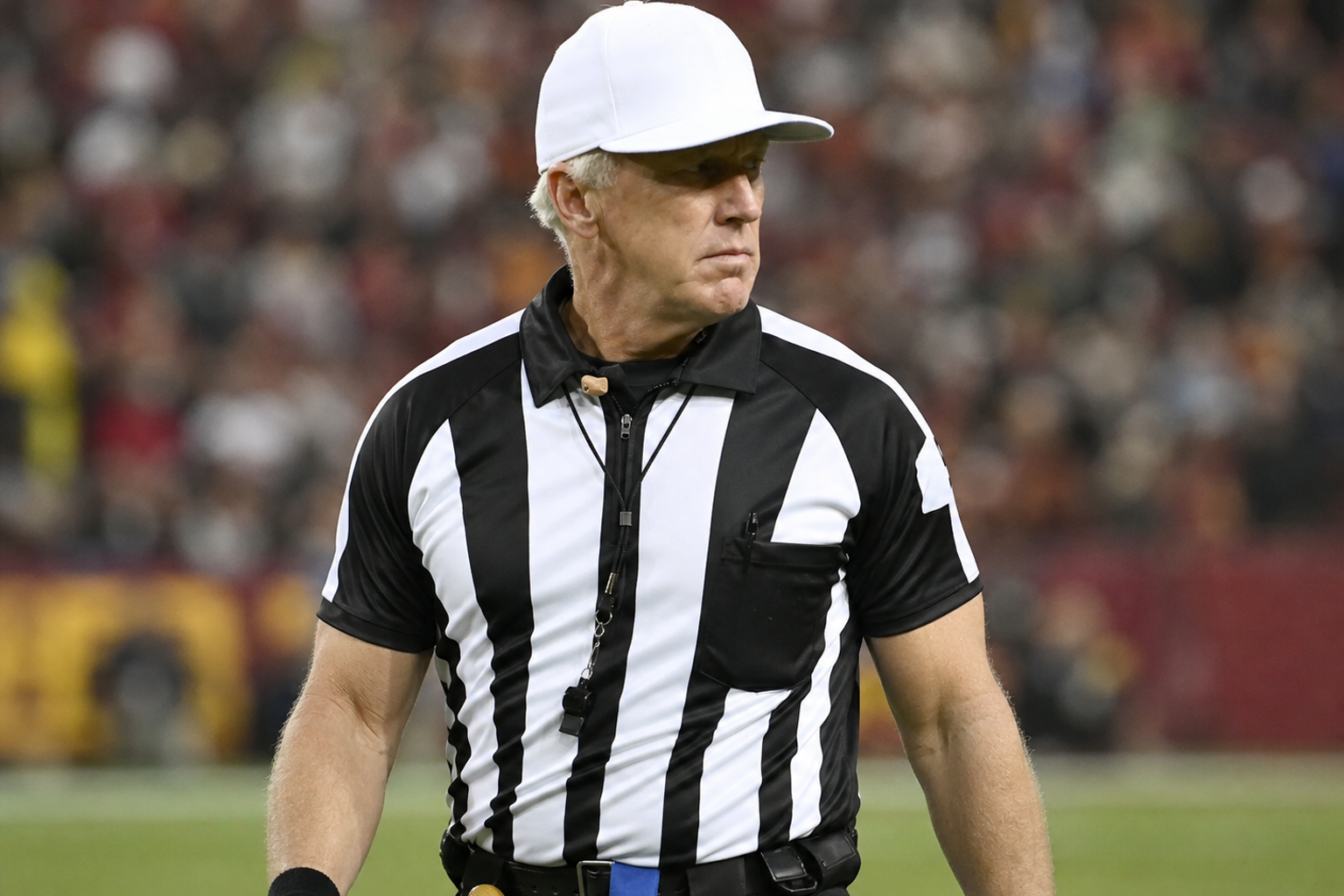
NFL officiating is already one of the league’s most scrutinized pressure points. Fan frustration with calls — real or perceived — is a weekly constant, and any deviation from the standard assignment process invites questions about preparation and crew cohesion. Officials who work together regularly develop communication rhythms and situational awareness that takes time to build. Reassigned officials working with unfamiliar crew members on roughly 24 hours’ notice are, by definition, operating without that foundation.
That doesn’t mean the games will be poorly officiated — experienced officials adapt — but it is a genuine variable that wouldn’t exist in a normal week. The FAA ground stop affected NFL games in ways that extended well beyond travel inconvenience, reaching into the operational integrity of on-field officiating itself.
For fans tracking NFL referee assignments for Week 10 — including fantasy football participants for whom officiating tendencies around penalties and game flow are genuinely relevant — the confirmed changes mean that any pre-week crew listings may not reflect who actually worked the games. Official post-game records from the NFL will be the authoritative source once Sunday’s slate concludes.
What Comes Next: Monitoring Travel and Assignment Stability
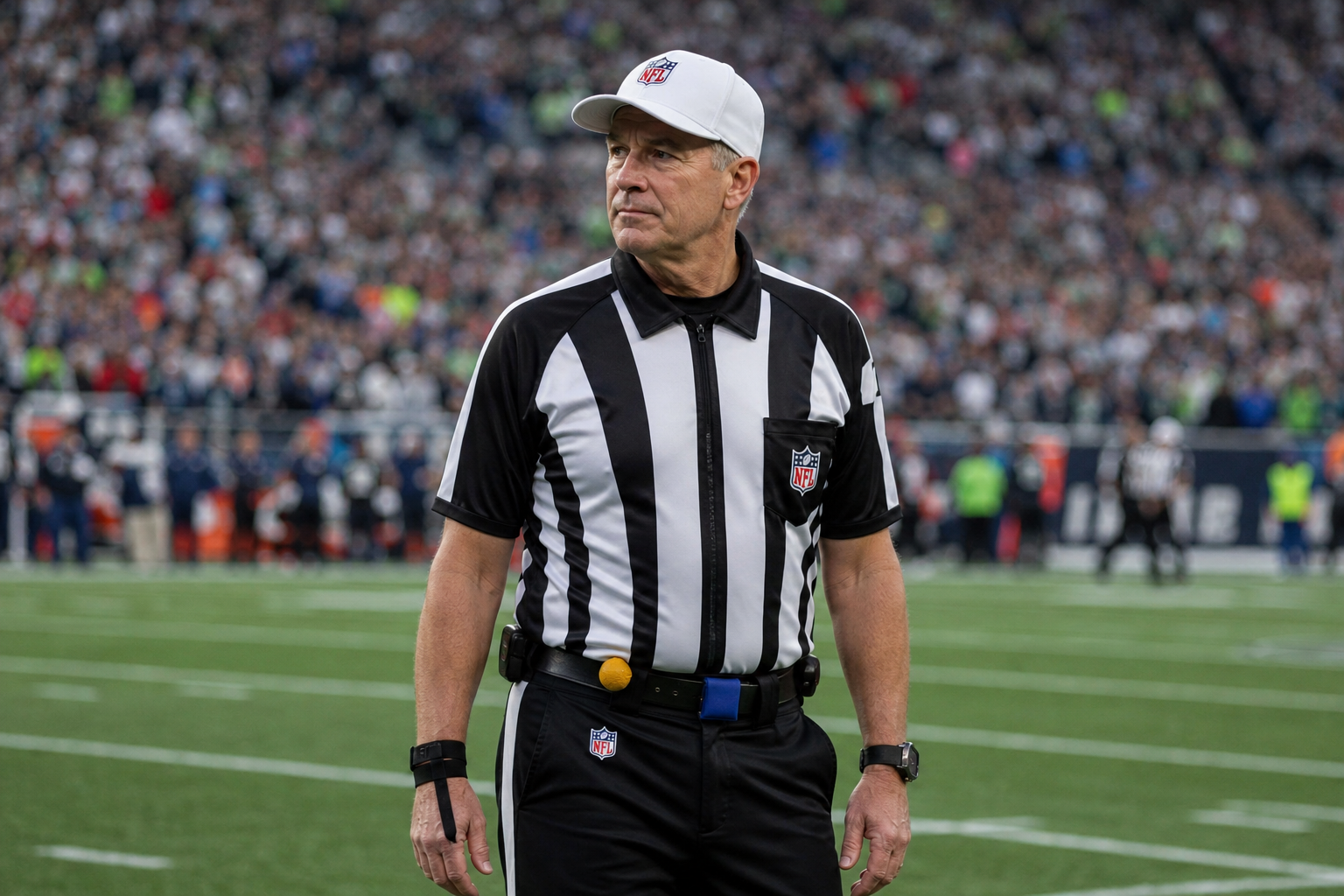
The NFL has not indicated whether further assignment changes are possible if travel disruptions persist into Saturday. This story should be treated as developing until Sunday kickoffs are underway. The downstream effects of a major ground stop — delayed rebooking queues, missed connections, baggage backlogs — can extend 24 to 48 hours beyond the stop itself, meaning Friday’s event could still affect Saturday logistics for officials who believed they had a viable path to their games.
Any additional confirmed changes to officiating assignments should be attributed to official NFL communications. Reporting from Adam Schefter has added further detail on how the NFL moved to avoid compounding travel issues stemming from the FAA ground stop, and that remains the appropriate attribution line as new details emerge.
The broader takeaway is straightforward, if quietly remarkable: the NFL absorbed a significant infrastructure disruption and restructured its Week 10 officiating assignments in less than 48 hours without postponing a single game. That is a real operational achievement — and a clear illustration of how much professional sports infrastructure runs on the unexamined assumption that planes depart on schedule, and what happens, league-wide, when they don’t.