On October 3, 1951, Bobby Thomson swung at a belt-high fastball and produced what is widely called the most dramatic home run in baseball history — but decades of reporting have revealed that the Shot Heard Round the World carried a shadow as large as the moment itself, one involving telescopes, buzzers, and a sign-stealing scheme that still sparks argument today.
The Pennant-Winning Blast Was a Three-Run Shot, Not a Solo Homer
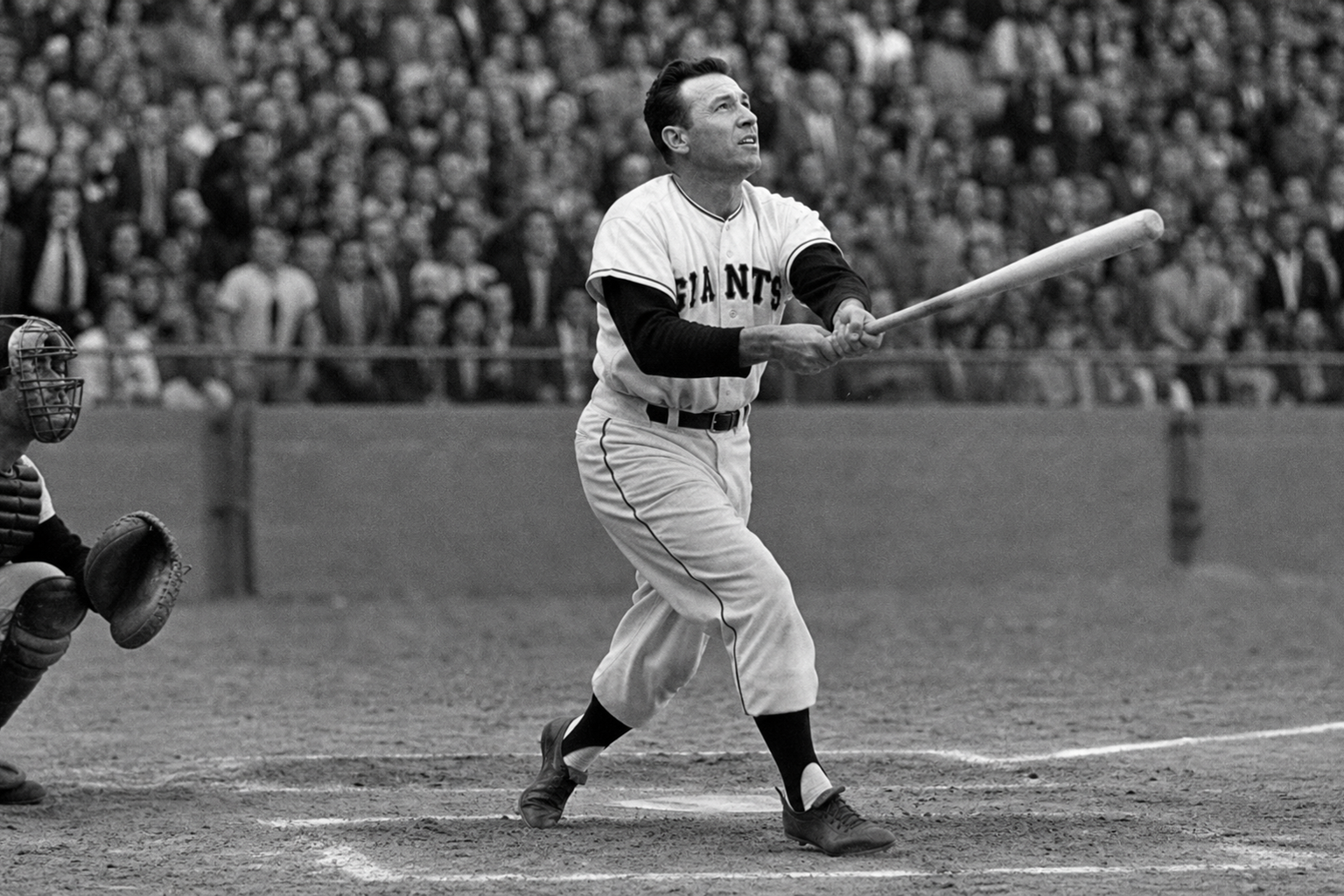
When Thomson stepped to the plate on October 3, 1951, the Giants trailed the Dodgers 4–2 in the bottom of the ninth inning with runners on second and third. His home run off Ralph Branca cleared the left-field wall at the Polo Grounds and plated three runs, giving the Giants a 5–4 victory and the National League pennant.
That deficit is what makes the moment so improbable. This was not a lead-padding blast or a game-tying shot — the Giants needed every single one of those three runs, and Thomson delivered them all with one swing. A solo home run would have meant nothing but a 4–3 loss and a long winter for New York.
The 1951 Giants’ Sign-Stealing Telescope Operation
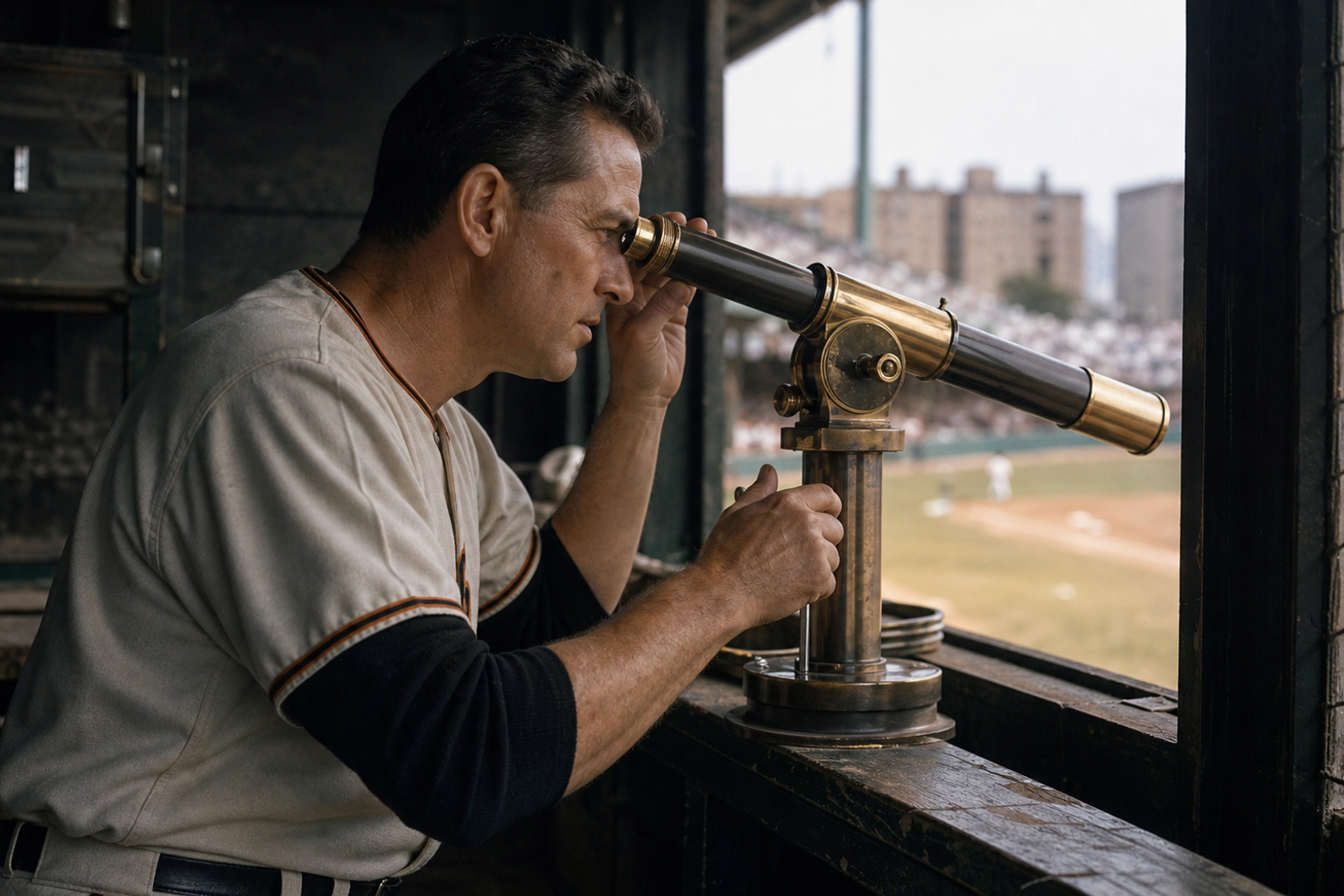
In 2001, the Wall Street Journal reported that the Giants ran a systematic sign-stealing operation from the Polo Grounds’ center-field clubhouse during the second half of the 1951 season, using a telescope to decode opposing catchers’ signs. A Giants employee would relay the stolen signs to the bullpen by buzzer, and a bullpen coach would then signal the batter — a scheme corroborated by multiple former Giants players in subsequent reporting by Joshua Prager, who expanded the investigation for his 2006 book The Echoing Green.
The operation casts a long shadow over the Giants’ historic comeback from 13.5 games back. Whether Thomson himself received a stolen sign on the fateful 0-1 pitch remains disputed and unconfirmed — but the mere existence of the scheme means the question will never fully go away. The 1951 Giants sign-stealing scandal permanently complicated what had seemed like pure sporting glory.
Thomson’s Murky Admission About the Sign-Stealing
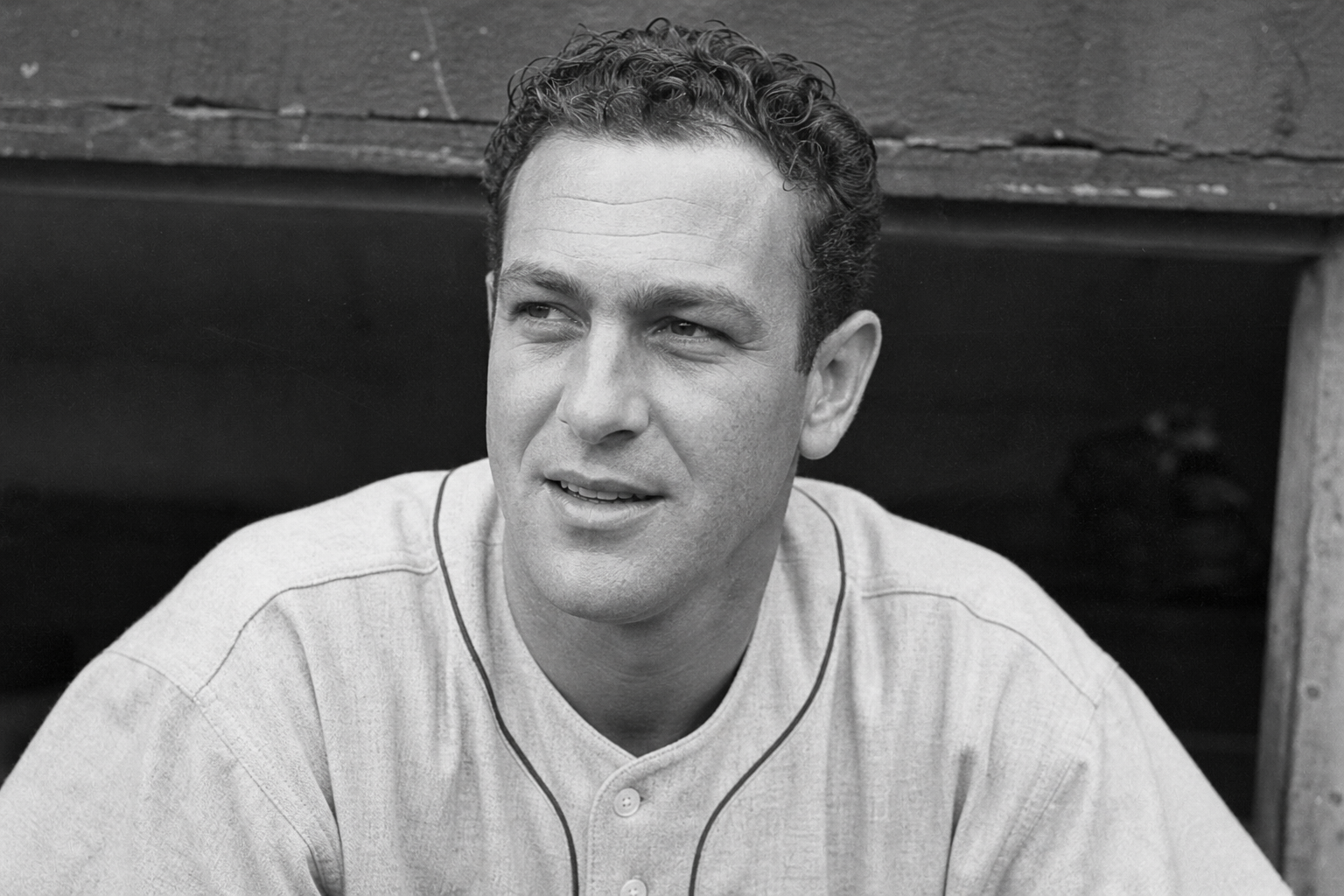
In Joshua Prager’s reporting, Thomson gave shifting accounts — at times denying he received a stolen sign on the home-run pitch, at other times acknowledging he was aware the system existed and had used it on other occasions during the 1951 run. Thomson told Prager he was “pretty sure” he did not know what pitch was coming on the decisive swing, stopping well short of a clean denial.
That careful hedging left the question deliberately open. Ralph Branca, by contrast, stated for the record that he believed Thomson had received the stolen sign — a conviction Branca carried for the rest of his life. The gap between Thomson’s qualified uncertainty and Branca’s flat belief became its own fault line running through the story of the Bobby Thomson home run.
Ralph Branca’s Mound Inheritance — He Replaced Starter Don Newcombe
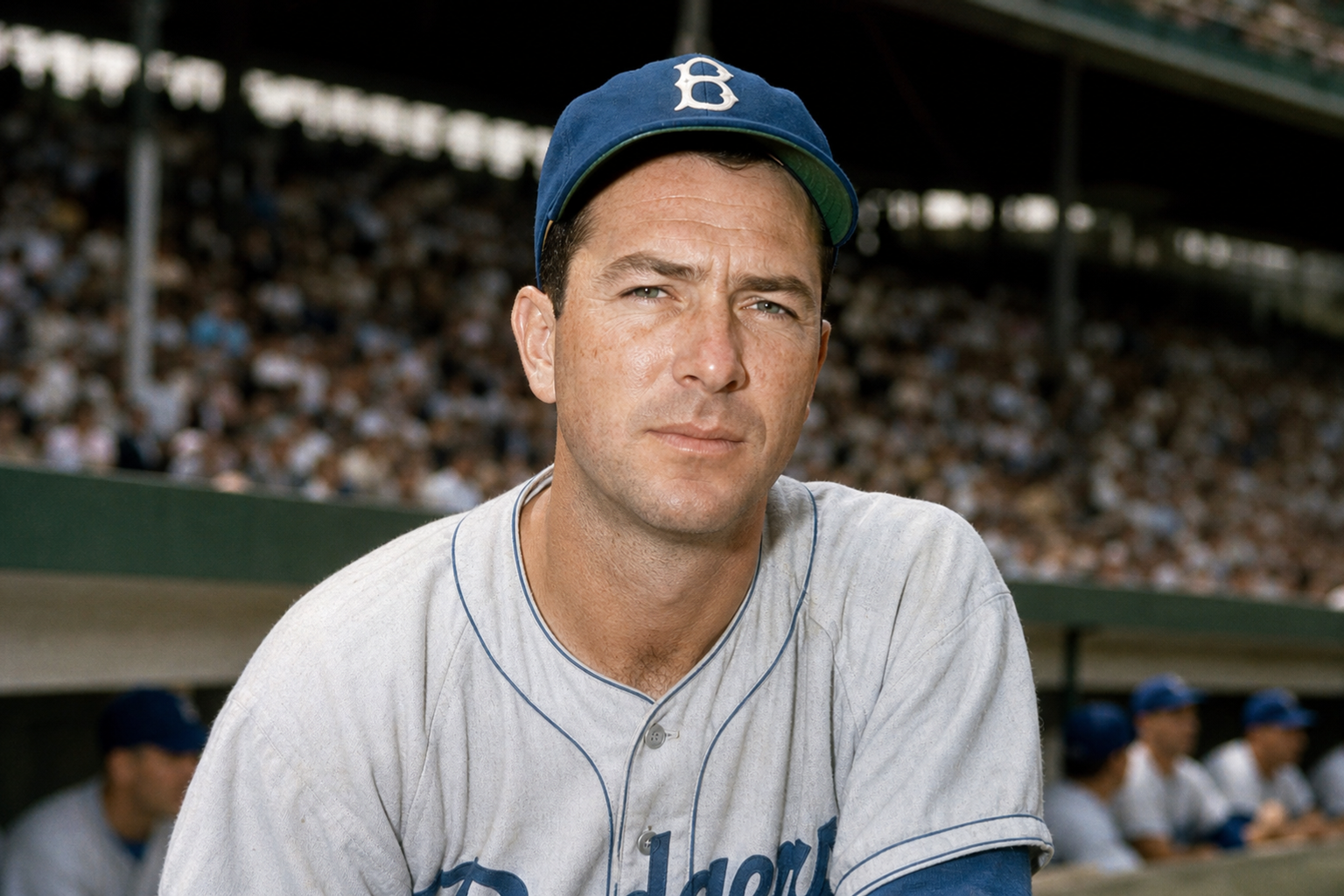
Newcombe had pitched eight innings but was visibly gassed entering the ninth; Dodgers manager Chuck Dressen pulled him and called on Branca from the bullpen. Branca was not, however, the first reliever warming up — that was Clem Labine, who had thrown a complete-game shutout just two days earlier. Dressen bypassed the fresher arm and went to Branca instead.
That decision became a source of second-guessing that haunted Dressen’s managerial legacy almost as much as it haunted Branca. It is one of those baseball what-ifs that cannot be answered: would Labine, still sharp from his recent shutout, have gotten Thomson out? The Giants–Dodgers 1951 playoff gave the question eternal life.
Russ Hodges’s ‘The Giants Win the Pennant!’ Call Survived Only by Accident
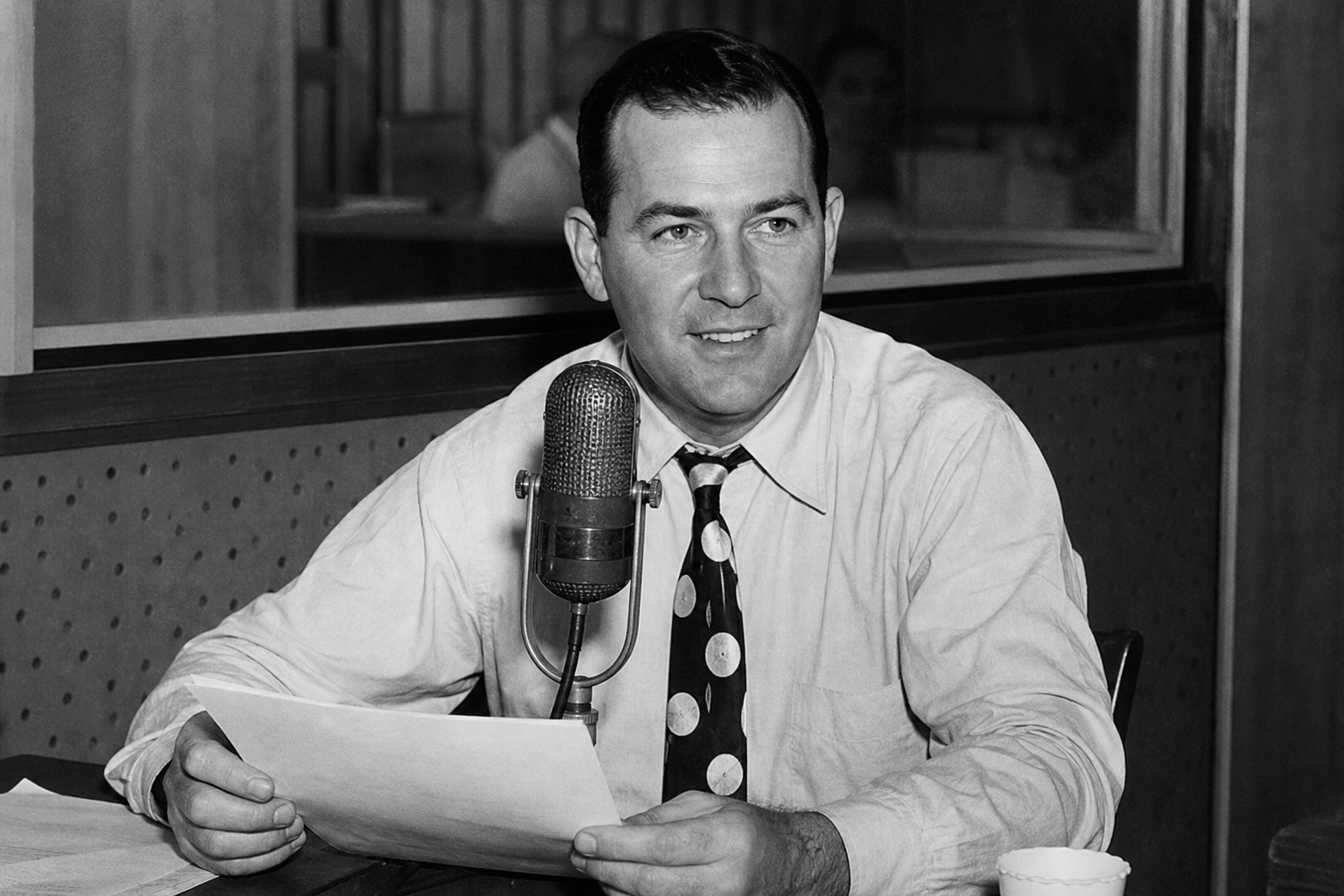
NBC’s television broadcast of the game exists in full, but Hodges’s iconic radio call was not preserved by the station — standard practice at the time was to record over broadcast acetates once they had served their immediate purpose. The call survived solely because a Brooklyn Dodgers fan named Lawrence Goldberg had asked his mother to record the game on a home recording device, hoping to savor a Dodgers victory. She recorded it anyway when the Giants won.
Goldberg later sold the recording to Hodges himself, ensuring one of sport’s most famous pieces of audio was not lost forever. The near-miss preservation of that call is a reminder of how much sports history has vanished simply because no one thought to keep it. You can hear the Hodges call in full on YouTube, and its raw, escalating disbelief still sounds unlike almost anything else in sports broadcasting.
The Pitch That Defined Thomson’s Career Was a Fastball on an 0-1 Count
Branca’s first pitch to Thomson was a called strike, meaning Thomson was already behind in the count when he swung at the second delivery. Branca chose to come back with another fastball, reportedly on catcher Rube Walker’s signal; the pitch was described as a belt-high fastball that caught too much of the plate. Thomson’s swing was quick and compact, and he drove the ball to the lower deck in left field, just inside the foul pole — roughly 315 feet, a relatively short porch at the Polo Grounds.
The 0-1 count matters to the sign-stealing debate as well: if Thomson had indeed received a tip through the relay system, he would have known a fastball was coming and been able to sit on it. If he had not, that compact swing off a belt-high heater was simply a great piece of hitting under impossible pressure. Thomson himself reflected on the moment in ways that never fully settled the argument either way.
The 1951 Playoff Was Itself a Historic Rarity
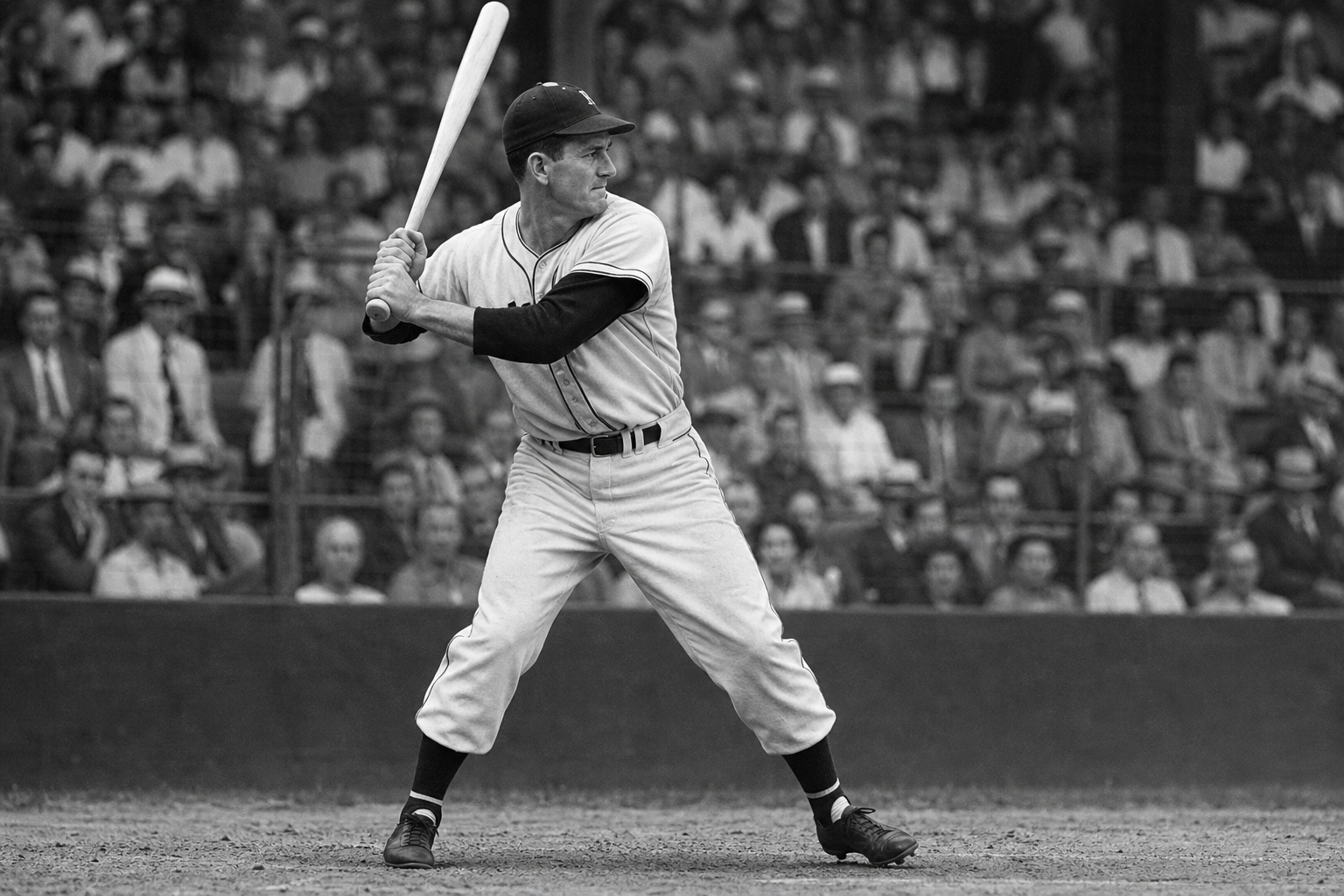
The Giants trailed Brooklyn by 13.5 games as late as August 11, 1951, then won 37 of their final 44 regular-season games to force a best-of-three tiebreaker — one of the greatest collapses in Dodgers history and one of the most remarkable surges any team has ever produced. Each team won one game before the decisive Game 3 at the Polo Grounds on October 3, making Thomson’s at-bat a true winner-take-all moment for the National League pennant.
The format itself was a rarity: a short playoff series rather than a single tiebreaker game had been used in the NL only once before, in 1946, when the Cardinals defeated the Dodgers in a similar situation. That historical context makes the Shot Heard Round the World even more singular — it ended not just a game but an entire extra competition born from an extraordinary regular season.
The Disputed $3 Million Baseball
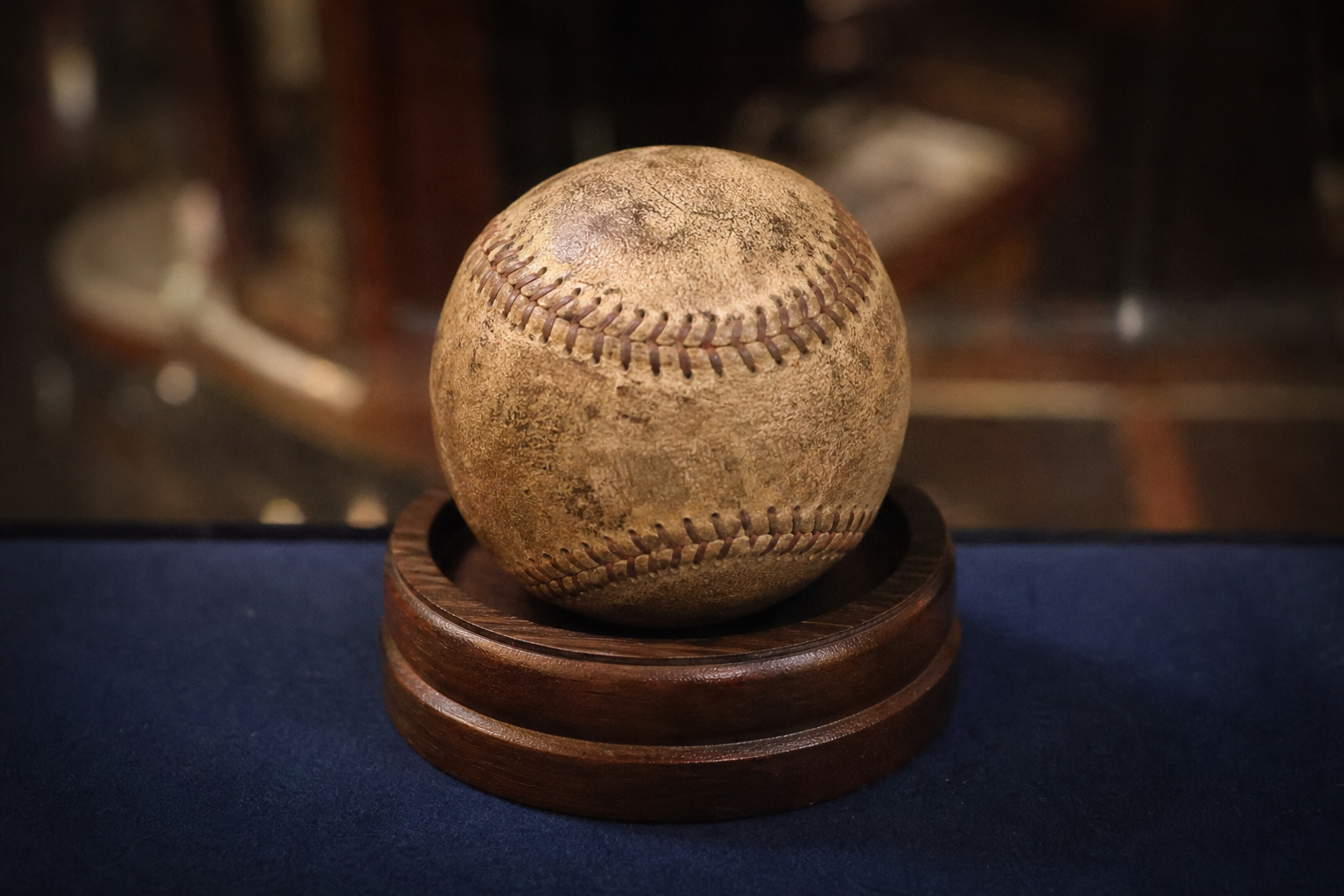
Because no one definitively caught or claimed the ball at the time of the home run, its whereabouts became one of baseball’s great artifact mysteries. A filmmaker later undertook an extensive investigation — involving forensic analysis and provenance research — to authenticate a specific ball believed to be the actual home run ball, with the ball’s potential auction value estimated at up to $3 million if authenticated, rivaling the most valuable game-used baseballs ever sold.
The scale of that valuation says something important about the moment’s place in American sports culture. The ball’s worth derived entirely from the historical weight of a single swing, not from Thomson’s broader career statistics. For a player whose legacy rests almost completely on one at-bat, the missing ball is an almost perfectly symbolic object.
Bobby Thomson Was a Scottish-Born Ballplayer Who Became an Unlikely American Icon
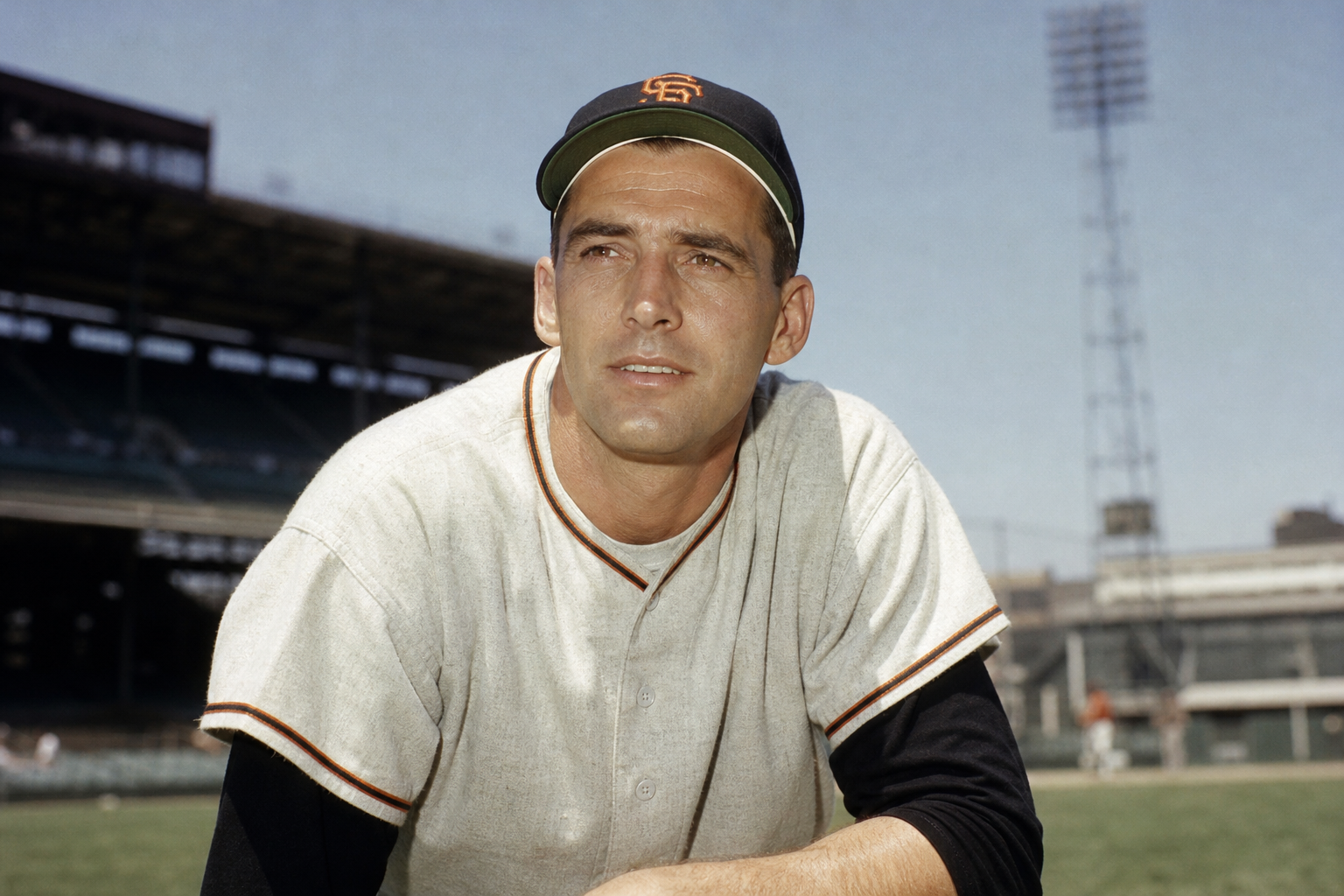
Thomson was born in Glasgow, Scotland, on October 25, 1923, and emigrated to the United States as a child, making him one of the rare foreign-born players to become synonymous with a defining American sports moment. He spent the bulk of his career with the Giants as an outfielder and third baseman — a solid, dependable player, but not a Hall of Fame-caliber talent whose numbers would have earned him immortality on their own. According to the Society for American Baseball Research, his legacy rests almost entirely on a single swing.
Thomson died on August 16, 2010, at age 86. His obituaries in major outlets were headlined almost universally by the home run rather than any broader career achievement — a measure of how completely one moment can define an athlete’s public identity, for better or for worse, for the rest of his life and long after.
Ralph Branca and Thomson’s Post-Game Friendship
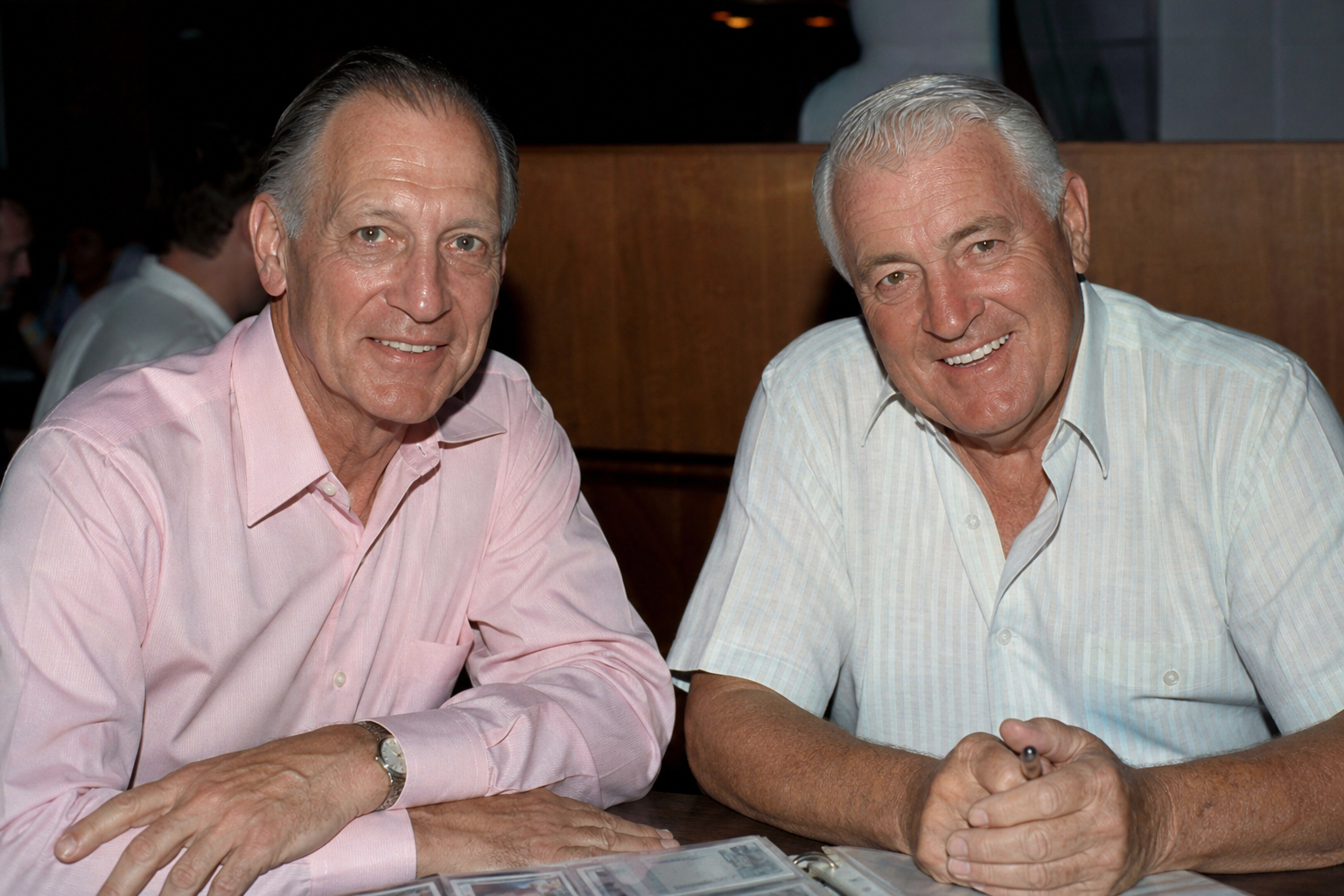
Despite the career-altering trauma Branca suffered from giving up the home run — he won only 12 more major-league games after 1951 — the two men eventually became close friends and appeared together at card shows and public events for decades. Branca acknowledged that his Catholic faith helped him process the loss, famously receiving counsel from a priest who told him “God chose you because he knew you’d be strong enough to bear this cross.” That framing helped transform a wound into something Branca could carry publicly with dignity.
Their joint appearances reframed the narrative from villain and hero into a shared piece of baseball history — though Branca’s later certainty that Thomson had received a stolen sign introduced a new and unresolved tension into that friendship. Two men who built something warm out of one of sport’s most painful moments were left, in the end, unable to fully agree on what had actually happened between them on October 3, 1951.
Seven decades on, Bobby Thomson’s Shot Heard Round the World endures not just as a stunning athletic moment but as a layered historical puzzle — a home run that was simultaneously the purest kind of drama and, possibly, something far more complicated than any single swing deserves to be.