Fifty years after Franco Harris scooped a deflected pass inches from the turf at Three Rivers Stadium and sprinted into NFL legend, the league has never issued a formal ruling on whether the Immaculate Reception was legal — and, at this point, it almost certainly never will.
The Play That Still Has No Official Answer
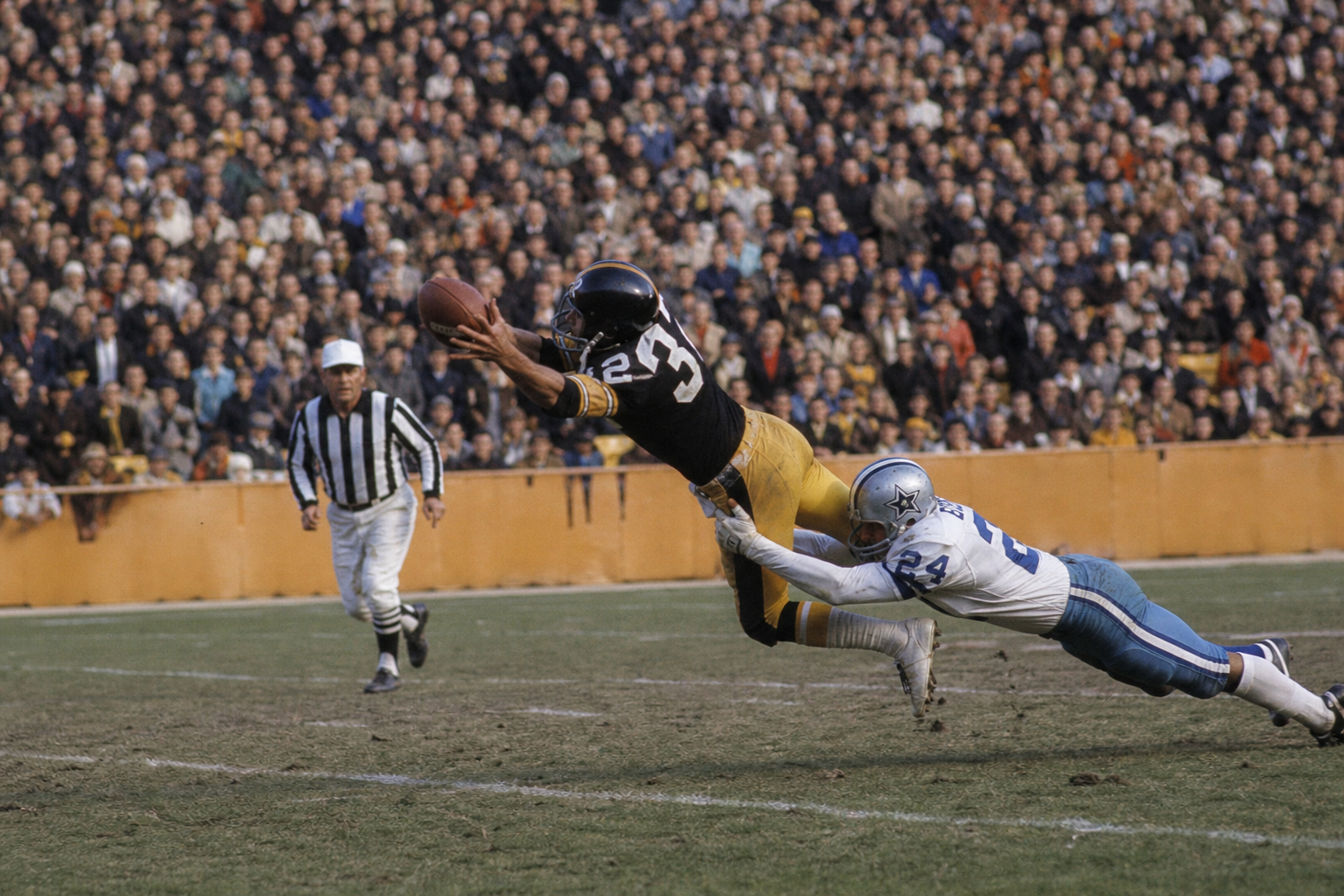
That absence of a verdict is not a footnote. It is the story. One of the most debated moments in NFL history remains permanently suspended between miracle and controversy, celebrated by one fan base, disputed by another, and officially acknowledged by nobody with the authority to settle it.
This is not a nostalgia piece. It is an honest account of an unresolved legal question that the NFL has quietly let stand for more than half a century.
The scene: December 23, 1972. An AFC divisional playoff game between the Pittsburgh Steelers and the Oakland Raiders. A 42-degree afternoon at Three Rivers Stadium in Pittsburgh. Twenty-two seconds left on the clock. And a football that was about to become the most argued-over object in American sports history.
What Actually Happened on That Play
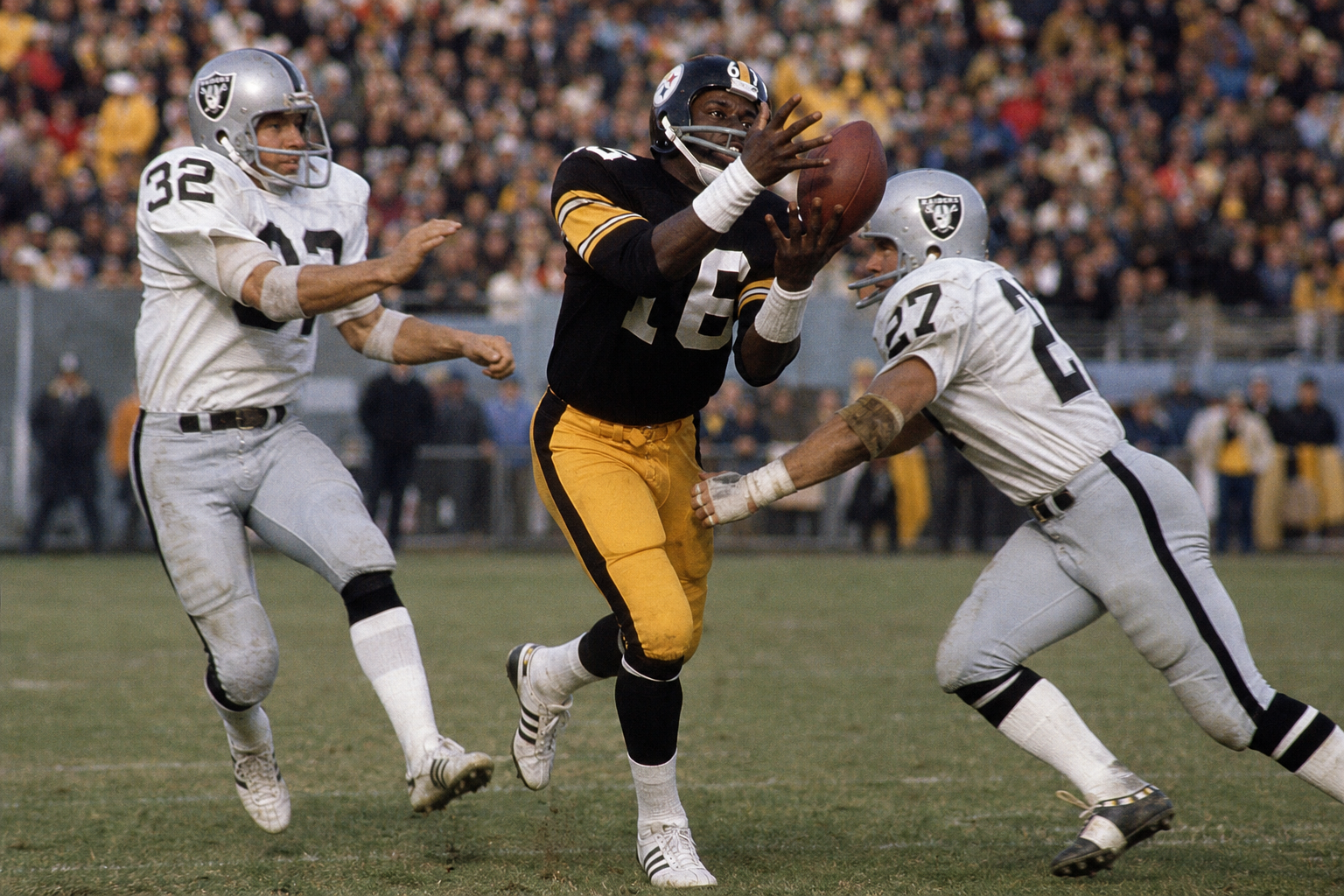
Pittsburgh trailed Oakland 7–6. Quarterback Terry Bradshaw, under pressure, threw a desperation pass intended for running back John “Frenchy” Fuqua. Oakland safety Jack Tatum arrived at the same moment, and the ball caromed violently backward.
Harris, trailing the route, caught the deflection — inches from the ground, or possibly after it grazed the turf, depending on who you ask — and ran untouched for the winning touchdown. Final score: Pittsburgh 13, Oakland 7. The Steelers advanced. The Raiders went home.
The legal problem was immediate and significant. The rule in force on that day prohibited a receiver from catching a pass deflected by another offensive player. If Fuqua’s hand touched the ball before it reached Harris, the catch was illegal and the touchdown should have been wiped out. If Tatum — a defensive player — was the last to touch it, the reception was clean.
Referee Fred Swearingen consulted by phone with Art McNally, the NFL’s supervisor of officials, before signaling touchdown. That consultation was an extraordinary procedural step, and no documented written outcome from it has ever been made public. The touchdown stood. The game ended. The question did not. The debate has continued ever since.
Why the Legality Question Has Never Been Settled
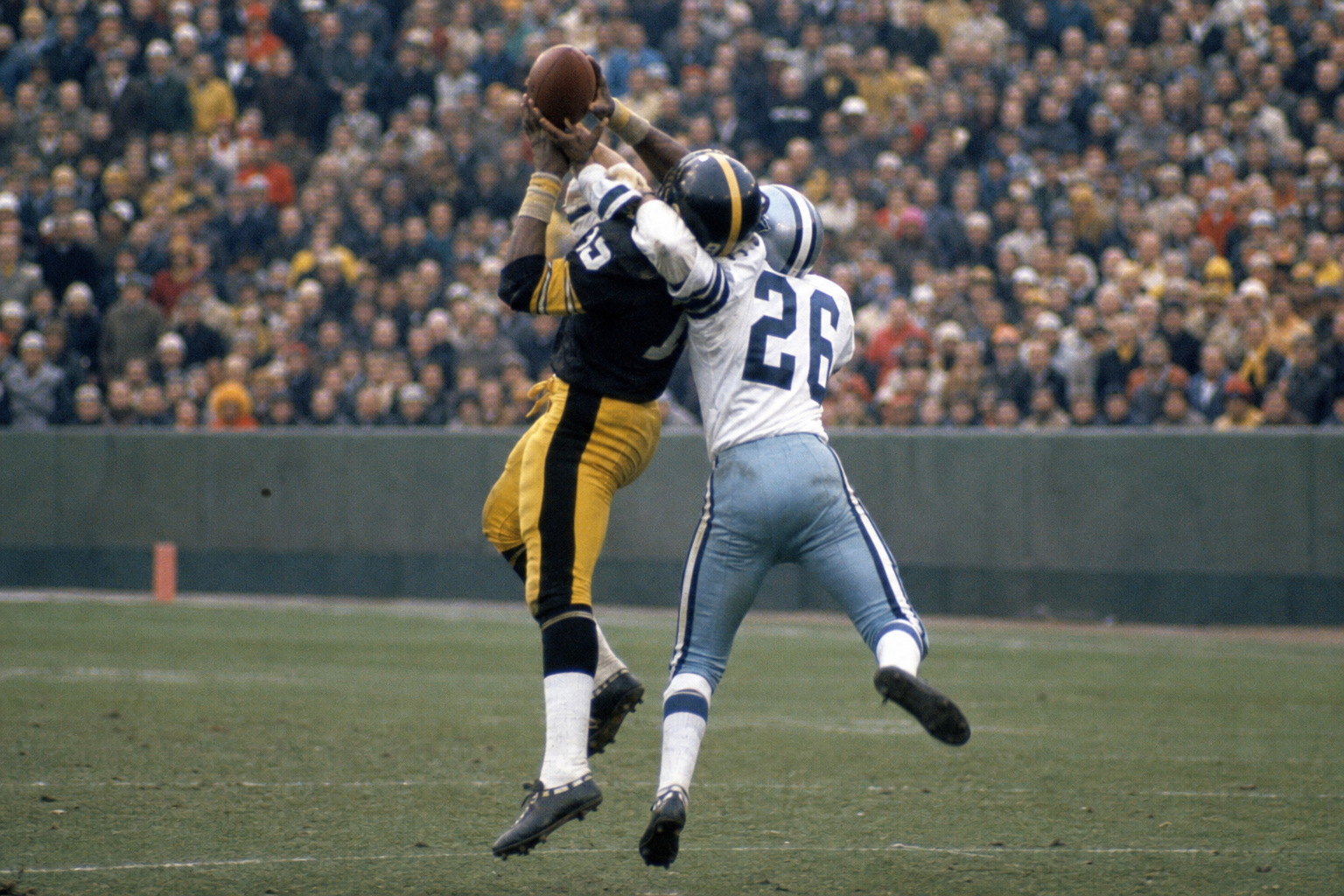
No camera angle available in 1972 definitively resolved which player — Tatum or Fuqua — last touched the ball. The decisive contact happened in a collision of bodies that the technology of the era simply could not untangle. Every available angle of the play has been studied and argued over for decades without producing a consensus.
The NFL has never published a formal post-game ruling, officiating review document, or written clarification confirming the touchdown was awarded correctly under the rules as they existed on that December afternoon. No memo. No statement. Nothing.
Fuqua, the man at the center of the collision, made matters worse — or more entertaining, depending on your perspective — by famously refusing for years to state publicly whether he touched the ball. He treated the question as theater, prolonging the mystery rather than resolving it. Whatever he knew, he never offered a definitive public admission.
The NFL’s own rules evolution muddied the historical waters further. The rule prohibiting a reception off a teammate’s deflection was subsequently changed — the so-called “Immaculate Rule” adjustment meant the play would have been legal under later regulations regardless of who touched it. That shift gave the league a convenient reason to treat the original question as an ancient curiosity rather than an actionable dispute, and it appears to have used that convenience fully.
The Raiders’ Side — Still Valid, Still Unrefuted
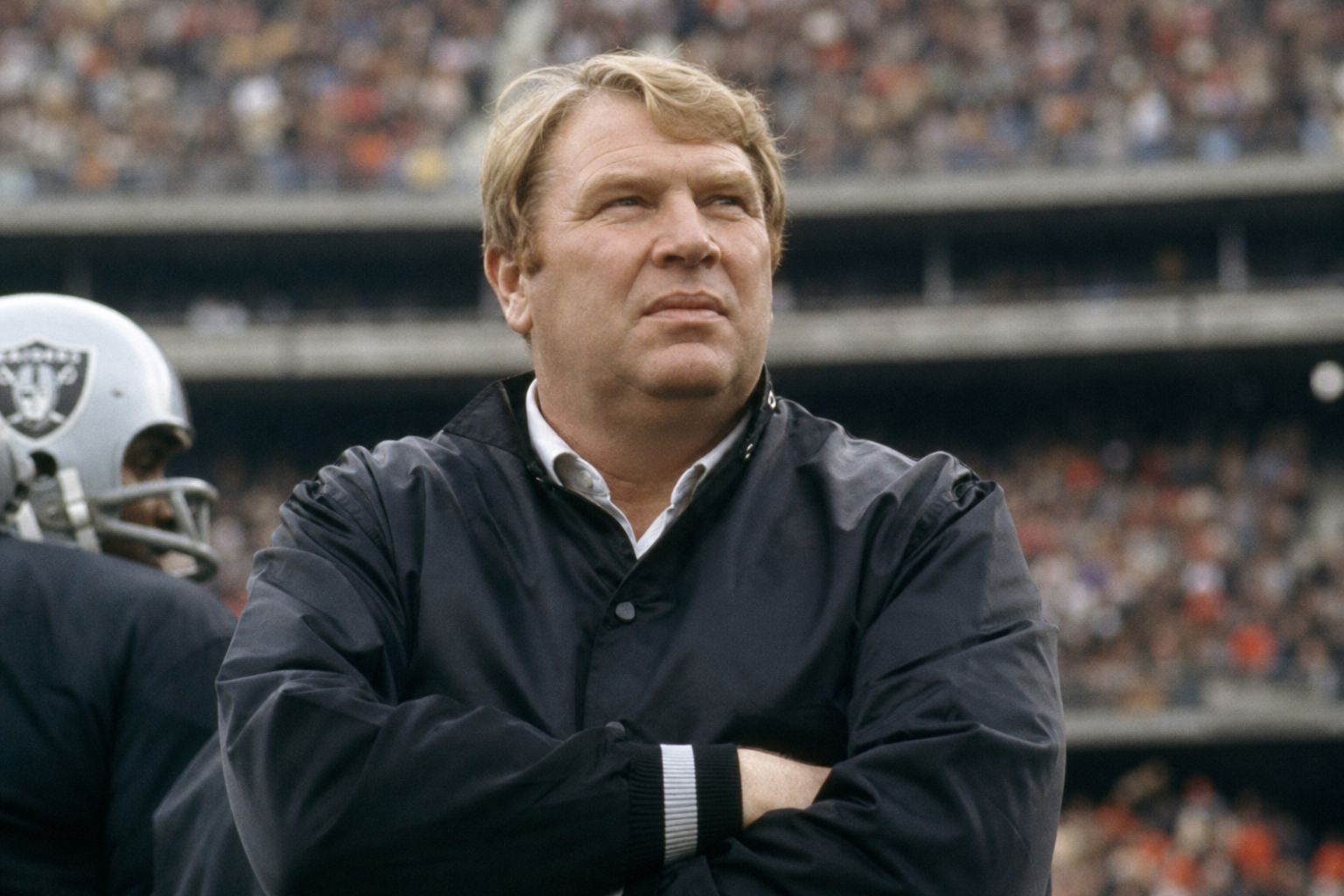
John Madden, coaching Oakland that afternoon, spent decades arguing the reception was illegal. His position was consistent and direct: Fuqua touched the ball, the catch should not have counted, and the Raiders were denied what would have been their first Super Bowl appearance. Oakland players from that game gave accounts that placed Fuqua’s hand on the football, attributing the game’s outcome to a missed call rather than a legitimate play.
The competitive weight of this matters. The loss did not merely cost Oakland a game. It rerouted franchise history. The Steelers used that victory as a springboard to four Super Bowl titles across the 1970s. The Raiders’ perspective on the play is not sour grapes for its own sake — it is an argument about a moment that genuinely changed the trajectory of two franchises.
And here is the crucial point: with no official record to contradict them, the Raiders’ account remains as formally valid as Pittsburgh’s. The NFL has produced nothing that settles the dispute in either direction. Decades on, both sides occupy the same evidentiary ground.
How the Play Got Its Name
The touchdown would be famous regardless of what anyone called it. But the name transformed it from a remarkable finish into a permanent fixture of American sports language.
“Immaculate Reception” — a deliberate play on “Immaculate Conception” — was broadcast by Pittsburgh radio personality Myron Cope the day after the game. According to reporting by the Associated Press, Cope credited the name to a caller whose boyfriend had coined it during a barroom victory celebration immediately after the final whistle. Cope put it on the air. It stuck instantly. The name itself became part of the argument.
The religious allusion worked in both directions simultaneously. For Steelers fans, it carried the suggestion of divine intervention — something granted from above, beyond ordinary explanation. For Raiders fans, it underscored exactly their grievance: that something irregular had been dressed in sacred language and granted an unearned legitimacy it did not deserve.
The Living Witnesses Are Running Out
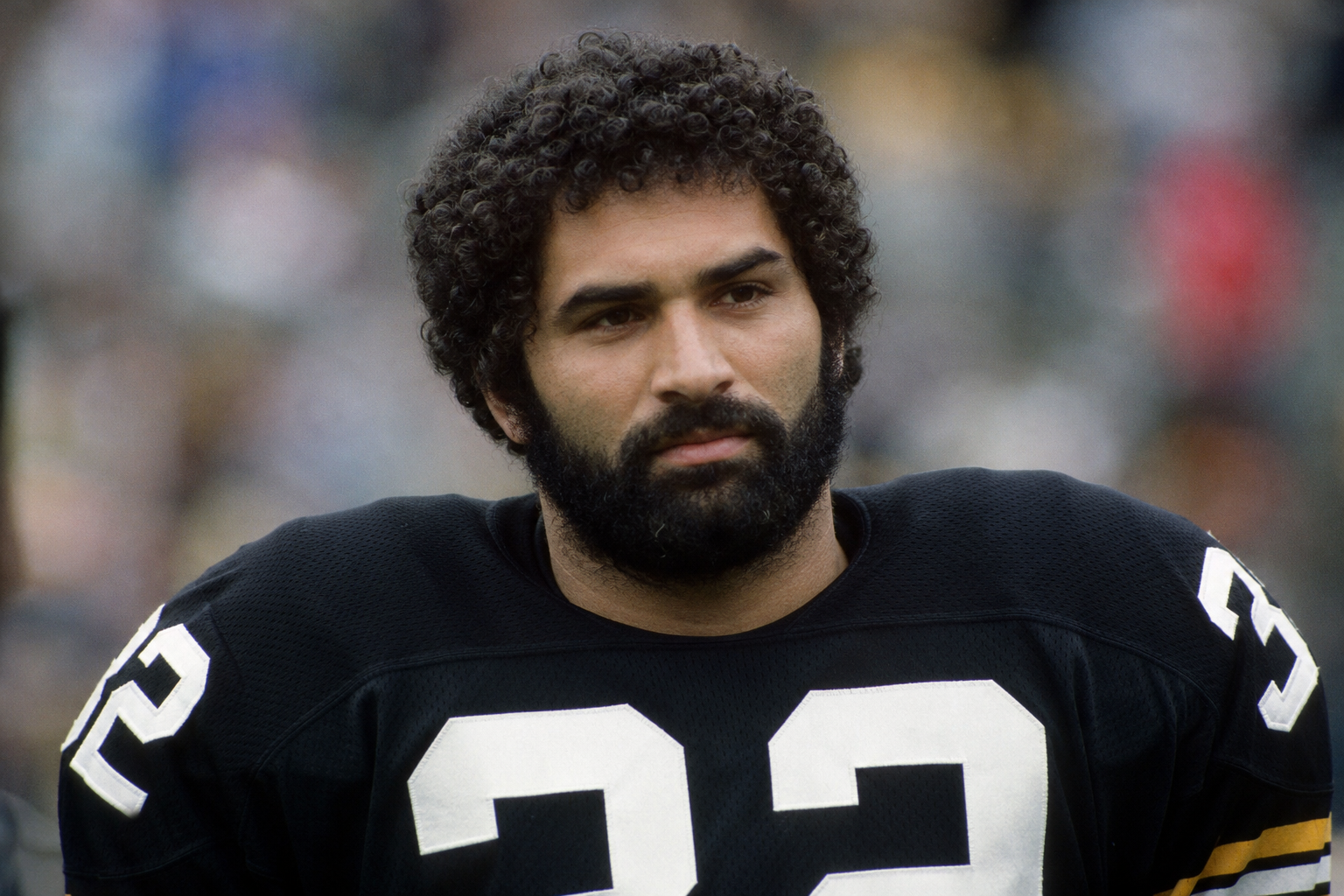
Franco Harris, who died in December 2022 — just days before the 50th anniversary of the play — was the central figure of the moment and the man whose name is most synonymous with it. His death was a sharp reminder that the pool of living witnesses shrinks with each passing year. Other participants and observers from that afternoon are also gone. The 50th anniversary was not simply a round number; it was a marker of how much firsthand testimony has already been lost.
Sports history is not self-preserving. Without institutional documentation, landmark moments depend on the memories of people who eventually are no longer here to give them. The NFL’s silence on the Immaculate Reception has not been cost-free; it has simply deferred the cost until the people who could have provided answers are gone.
What the NFL’s Silence Actually Means
The league has had decades, improved film-analysis technology, and multiple high-profile opportunities — anniversaries, rule changes, officiating reforms — to issue a formal historical clarification. It has chosen not to, and that choice is itself a kind of ruling.
It is worth stating plainly why the ambiguity may suit the NFL. An unresolved controversy generates more sustained conversation than a settled one. The Immaculate Reception is one of the most discussed, replayed, and debated moments in the league’s promotional history precisely because nobody can say for certain whether it should have happened. Resolution would end the argument. The argument is worth more than the resolution.
Franco Harris’s catch is routinely cited among the greatest plays in NFL history. Part of that status comes from the athleticism and the drama of the moment. Part of it comes from the unresolved legal cloud that has hung over the play for more than half a century. Strip away the uncertainty and you have a remarkable touchdown. Keep it, and you have something that occupies permanent space in the sport’s collective consciousness.
Until the NFL publishes a formal review — which, five decades in, seems vanishingly unlikely — the Immaculate Reception will remain exactly what it has always been: the most famous play in football history, and the one nobody can officially call legal.